In this study, the authors explored whether students' test scores were significantly higher on online exams during the COVID-19 school lockdown when compared to those of the in-person exams before the lockdown.
Read More...Inflated scores on the online exams during the COVID-19 pandemic school lockdown
In this study, the authors explored whether students' test scores were significantly higher on online exams during the COVID-19 school lockdown when compared to those of the in-person exams before the lockdown.
Read More...Applying machine learning to breast cancer diagnosis: A high school student’s exploration using R
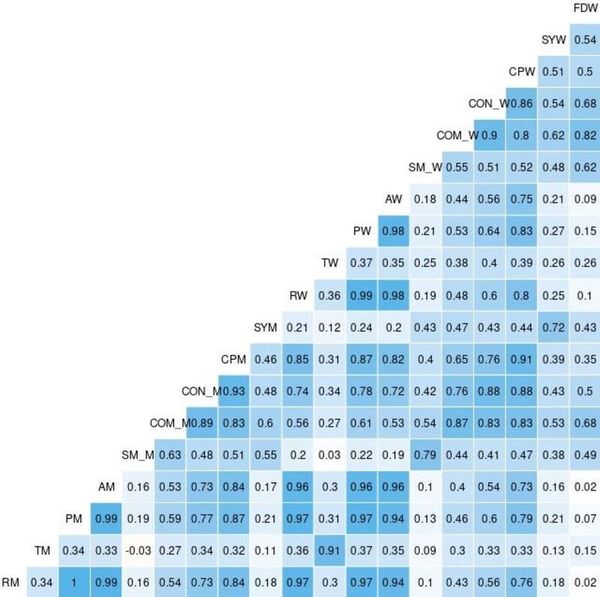
The authors combine fine needle aspiration biopsy and machine learning algorithms to develop a breast cancer detection method suitable for resource-constrained regions that lack access to mammograms.
Read More...Spelling Bee: A Study on the Motivation and Learning Strategies Among Elementary and Junior-High Student Competitors
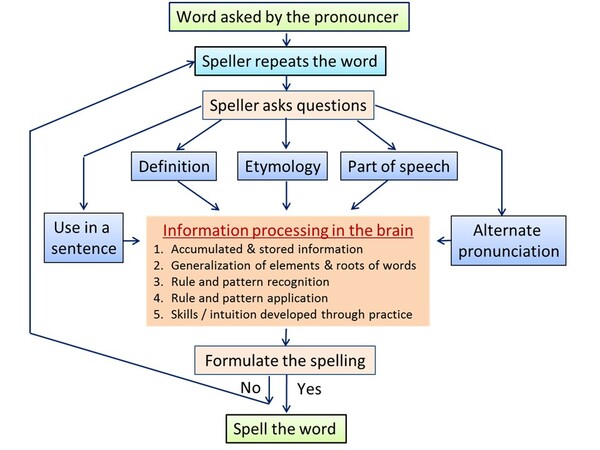
This article investigates the study methodologies, learning strategies, and motives of spelling bee participants. The authors identify several important educational implications of this work.
Read More...Understanding the impossibility of machine learning fairness with data examples

Machine learning systems are often expected to make fair decisions, yet the most widely used fairness criteria—independence, separation, and sufficiency—cannot generally be satisfied at the same time. In this study, students tested these criteria using a logistic regression model on a real-world student performance dataset and found that each criterion was met only at different prediction thresholds, with no threshold satisfying all three simultaneously. These results illustrate the inherent trade-offs in algorithmic fairness and highlight why achieving perfectly fair machine learning models is often impossible in practice.
Read More...Early detection of student burnout using data science: a study of behavioral and psychological indicators
This study examined behavioral and psychological predictors of burnout among high school and university students in Pakistan using survey data and machine-learning models. Shorter sleep and greater mental fatigue—especially fatigue—were associated with higher burnout risk, while a Random Forest model successfully identified students at risk of burnout.
Read More...Identifying anxiety and burnout from students facial expressions and demographics using machine learning
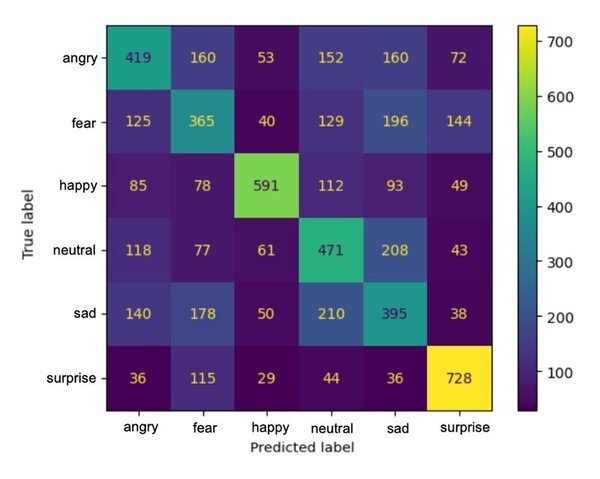
The authors used machine learning to predict the presence of anxiety and burnout in students based on facial expressions and demographic information.
Read More...The impact of conceptual versus memorization-based teaching methods on student performance
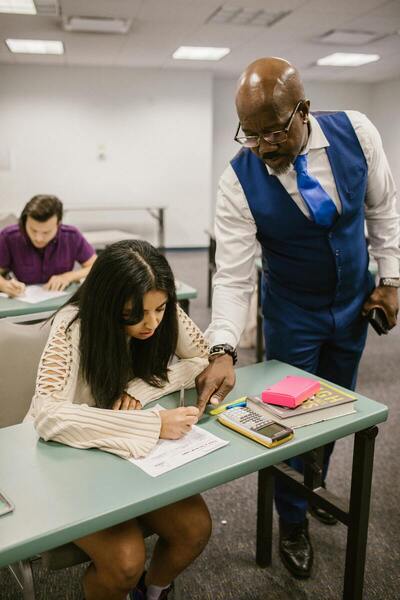
The authors looked at how students performed on standardized tests when they were taught material via memorization vs. conceptual based approaches.
Read More...A study of South Korean international school students: Impact of COVID-19 on anxiety and learning habits
.jpg)
In this study, the authors investigate the effects of the COVID-19 pandemic on South Korean international school students' anxiety, well being and their learning habits.
Read More...The comparative effect of remote instruction on students and teachers

In this study, high school students and teachers responded to a survey consisting of Likert-type scale, multiple-choice, and open-ended questions regarding various aspects of remote instruction. After analyzing the data collected, they found that remote learning impacted high school students academically and socially. Students took longer to complete assignments, and both students and teachers felt that students do not learn as much in remote learning compared to in-person instruction. However, most high school students demonstrated a comprehensive understanding of the topics, and an overall negative impact on students' grades was not detected.
Read More...Psychosocial impact of home-based learning among students during the COVID-19 Pandemic in Singapore

In this study, the authors surveyed a number of students in Singapore to determine how their experiences changed after the implementation of home-based learning during the COVID-19 pandemic.
Read More...