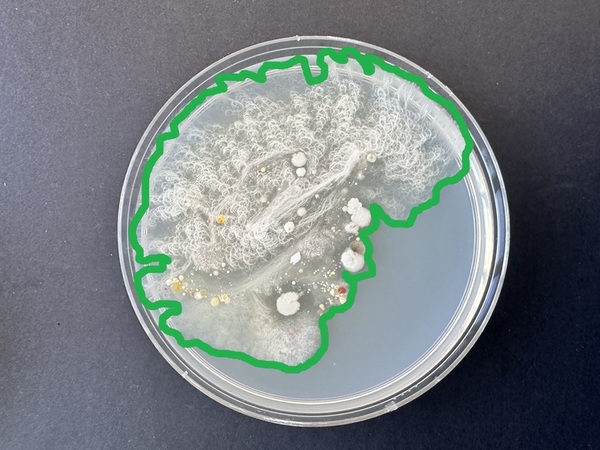
The authors studied bacterial contamination of the New York City transit system, as well as the effectiveness of hand washing and hand sanitizer.
Read More...Bacterial contamination on New York City transit and the effectiveness of hand hygiene
The authors studied bacterial contamination of the New York City transit system, as well as the effectiveness of hand washing and hand sanitizer.
Read More...The growth of bacteria on everyday objects and the antimicrobial effects of household spices
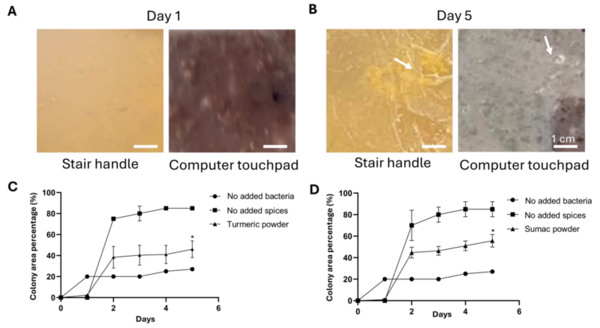
The study investigates the antibacterial properties of household spices on bacteria isolated from everyday objects, aiming to address the limited understanding of bacterial resilience on surfaces and the potential of spices as antibacterial agents. Researchers hypothesized that bacteria would grow faster on some surfaces than others and that spices like honey, chili powder, turmeric, and sumac would inhibit bacterial growth at varying rates. The findings suggest that household spices possess significant antibacterial properties and could be used as emergency disinfectants, particularly in under-resourced settings. However, they cannot replace medical treatments but offer insights into alternative health solutions using common ingredients.
Read More...The correlation between bacteria and colorectal cancer
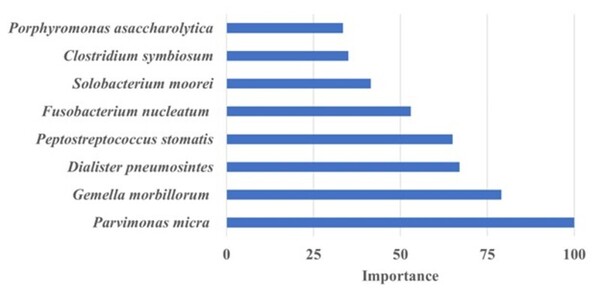
The authors looked at abundance of bacteria in stool samples from patients with colorectal cancer compared to controls. They found different bacteria that was more prevalent in patients with colorectal cancer as well as bacteria in control patients that may indicate a beneficial gut microbiome.
Read More...Antibacterial properties of household spices and toothpaste against oral bacteria
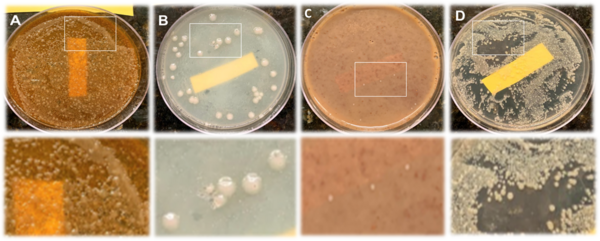
Bacteria cause tooth decay, plaque, bad breath, and other diseases. Despite being cleaned with water and toothpaste, oral bacteria live on our toothbrushes. Bacterial growth has been shown to be inhibited by different toothpastes and common household spices. This study tested how different toothpastes and common household spices, including cinnamon, cumin, nutmeg, and ground white pepper, can inhibit bacteria from growing on toothbrushes
Read More...Effects of Prolonged Azithromycin Therapy on Bacterial Resistance to Functionally Analogous Antibiotics
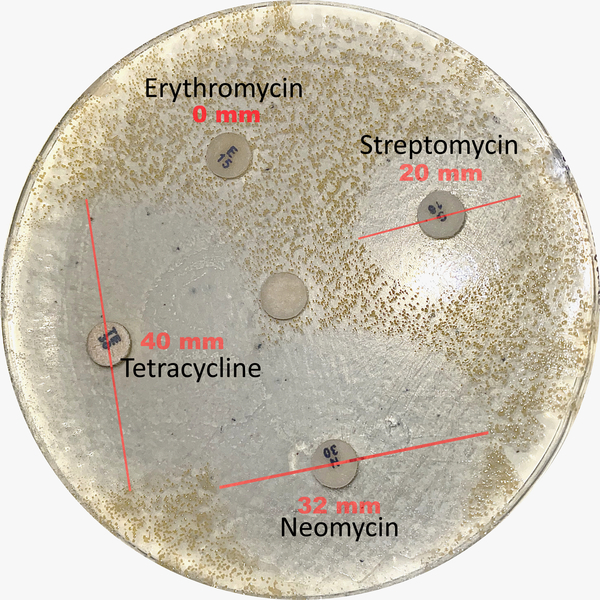
In this study, the authors investigate a potential case of cross antibiotic-resistance. Using swabs from an individual who received long-term treatments of azithromycin, they addressed the question of whether any bacteria in this individual might develop resistance to not only azithromycin, but also other antibiotics with similar structures. This study cleverly addresses the important issue of antibiotic resistance from a new and thoughtful approach.
Read More...Bacteria and Antibiotic Resistance in School Bathrooms

Since school bathrooms are widely suspected to be unsanitary, we wanted to compare the total amount of bacteria with the amount of bacteria that had ampicillin or streptomycin resistance across different school bathrooms in the Boston area. We hypothesized that because people interact with the faucet, outdoor handle, and indoor handle of the bathroom, based on whether or not they have washed their hands, there would be differences in the quantity of the bacteria presented on these surfaces. Therefore, we predicted certain surfaces of the bathroom would be less sanitary than others.
Read More...Bacterial Richness of Soil Samples from Southern New Hampshire
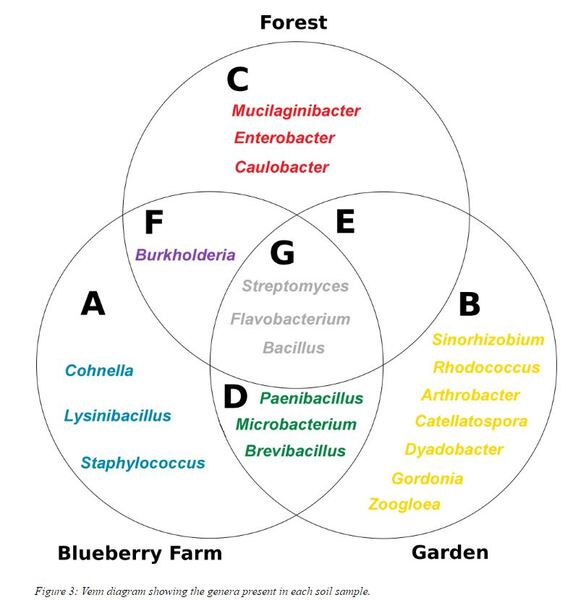
Advancement in DNA sequencing technology has greatly increased our understanding about the role of bacteria in soil. The authors of this study examine the microbial content of soil samples taken from three locations in southern New Hampshire with varying pH and plant composition.
Read More...The Emergence of Tetracycline Resistance in Rumen Bacteria
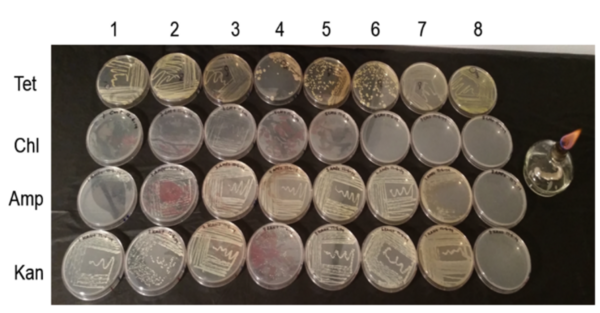
The emergence of antibiotic-resistant pathogenic bacteria is a major concern for human health, rendering some antibiotics ineffective in treating diseases. The authors of this study tested the hypothesis that exposing rumen bacteria to tetracycline will gradually lead to the development of tetracycline-resistant bacteria, some of which will develop multidrug resistance.
Read More...Iron oxide nanoparticles coated with liposomes and chitosan pass a model blood–brain barrier to kill bacteria
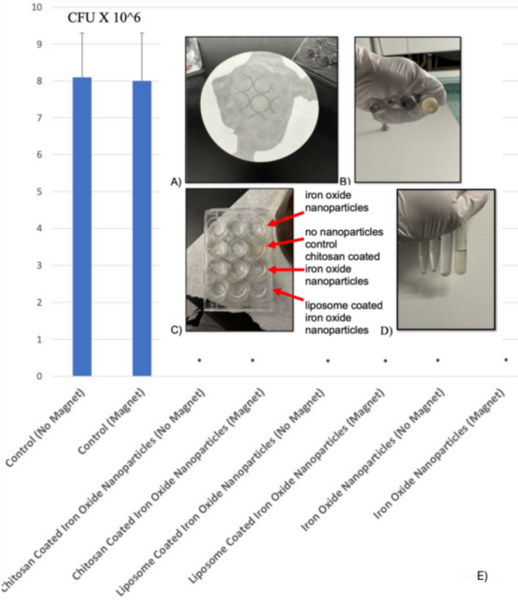
This study explored using iron oxide nanoparticles embedded in liposomes and coated with antibacterial chitosan as a potential alternative to antibiotics for treating bacterial meningitis. The nanoparticles were tested for their ability to cross a model blood–brain barrier and kill E. coli, with and without magnetic guidance.
Read More...The effect of common food preservatives on the growth of bacteria
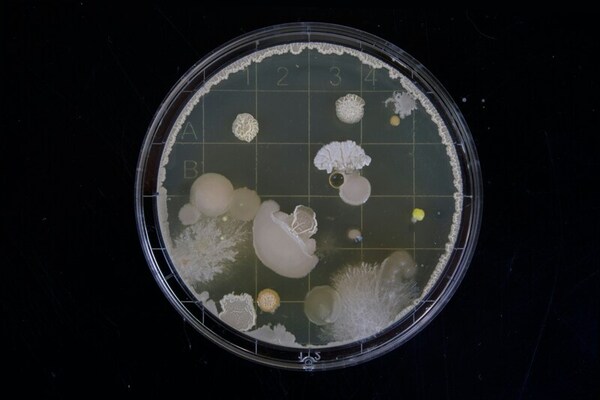
Here the authors aimed to find the best preservative combinations to stop bacterial growth in food, using data modeling and biochemical experiments. They discovered that single preservatives are often not enough, with varying effectiveness against different bacteria, and suggest future research into combining preservatives for better results.
Read More...