Browse Articles

Influence of induction heating on static recrystallization kinetics of AISI 4130 steel

Chen et al. | Apr 30, 2026

Influence of induction heating on static recrystallization kinetics of AISI 4130 steel

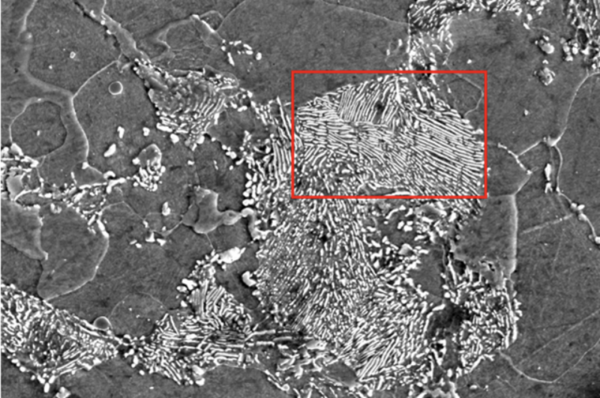
This article investigates whether induction heating can speed up static recrystallization in AISI 4130 steel compared with traditional radiant heating. It was found that induction-heated samples recrystallized faster, softened more quickly, and showed earlier microstructural changes like grain nucleation and pearlite spheroidization, suggesting induction heating could be a more efficient alternative for industrial metal heat treatments.

Read More...
Improving Wound Healing by Breaking Down Biofilm Formation and Reducing Nosocomial Infections

DiStefano et al. | Jul 09, 2019

Improving Wound Healing by Breaking Down Biofilm Formation and Reducing Nosocomial Infections

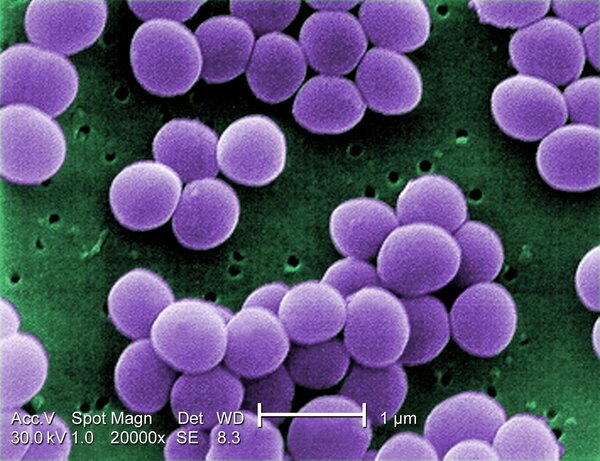
In a 10-year period in the early 2000’s, hospital-based (nosocomial) infections increased by 123%, and this number is increasing as time goes on. The purpose of this experiment was to use hyaluronic acid, silver nanoparticles, and a bacteriophage cocktail to create a hydrogel that promotes wound healing by increasing cell proliferation while simultaneously disrupting biofilm formation and breaking down Staphylococcus aureus and Pseudomonas aeruginosa, which are two strains of bacteria that attribute to nosocomial infections and are increasing in antibiotic resistance.

Read More...

Developing novel plant waste-based hydrogels for skin regeneration and infection detection in diabetic wounds

Mathew et al. | Aug 10, 2023

Developing novel plant waste-based hydrogels for skin regeneration and infection detection in diabetic wounds

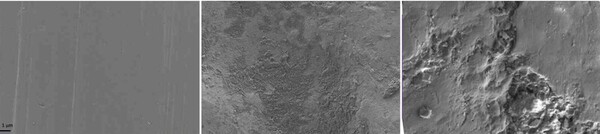
The purpose of this investigation is to develop a hydrogel to aid skin regeneration by creating an extracellular matrix for fibroblast growth with antibacterial and infection-detection properties. Authors developed two natural hydrogels based on pectin and potato peels and characterized the gels for fibroblast compatibility through rheology, scanning electron microscopy, swelling, degradation, and cell cytotoxicity assays. Overall, this experiment fabricated various hydrogels capable of acting as skin substitutes and counteracting infections to facilitate wound healing. Following further testing and validation, these hydrogels could help alleviate the 13-billion-dollar financial burden of foot ulcer treatment.

Read More...

Development of a pH-sensing hydrogel wound dressing for early infection monitoring for all skin color types

L. Chong et al. | Sep 07, 2026

Development of a pH-sensing hydrogel wound dressing for early infection monitoring for all skin color types

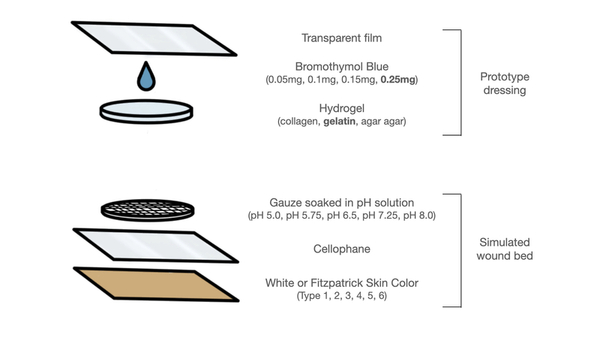
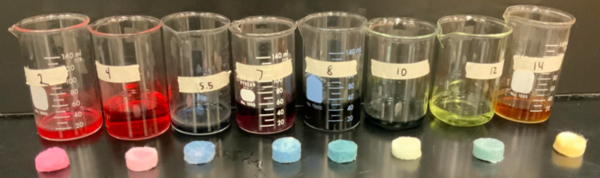
This paper develops a gelatin-based hydrogel dressing infused with bromothymol blue dye that visibly changes from yellow to blue as wound pH rises from 5.0 to 8.0, signaling possible infection. The color shift was visually detectable and statistically significant across all six Fitzpatrick skin tones, suggesting a low-cost ($0.40/dressing) tool for early infection monitoring in settings with limited access to care.

Read More...

Analysis of Monotherapy and Combination Therapy on Helicobacter felis

Custodio et al. | Apr 28, 2020

Analysis of Monotherapy and Combination Therapy on <em>Helicobacter felis</em>

Heliobacter felis causes gastritis which is accompanied by a range of unpleasant symptoms in small animals such as cats. In order to identify effective antibiotics for treating H. felis infections, the researchers investigate whether a combination of different antibiotics is more effective than the use of individual antibiotics alone. Of the antibiotics they selected, Streptomycin alone was better than any other single antibiotic or in combination. Their results have not yet been validated in live animals, but suggest that Streptomycin alone might be an effective treatment of H. felis-induced gastritis in cats.

Read More...

Building an affordable model wave energy converter using a magnet and a coil

Choy et al. | Jul 05, 2023

Building an affordable model wave energy converter using a magnet and a coil
Image credit: Joshua Smith

Here, seeking to identify a method to locally produce and capture renewable energy in Hawai'i and other island communities, the authors built and tested a small-scale model wave energy converter. They tested various configurations of a floated magnet surrounded by a wire coal, where the motion of the magnet due to a wave results in induction current in the coil. While they identified methods to increase the voltage and current generated, they also found that corrosion results in significant deterioration.

Read More...

Evaluating Biomarkers and Treatments for Acute Kidney Injury in a Zebrafish Model

Mathew et al. | Aug 11, 2019

Evaluating Biomarkers and Treatments for Acute Kidney Injury in a Zebrafish Model

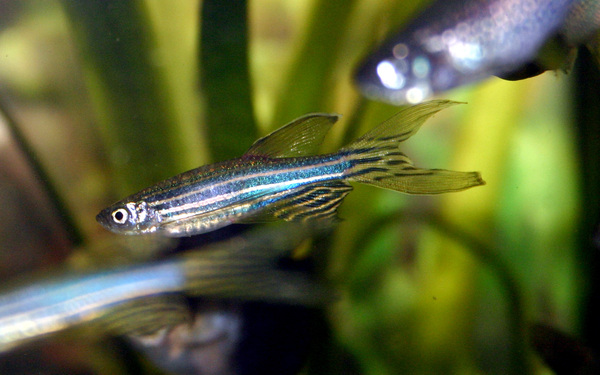
Coronary Artery Disease (CAD) is the leading cause of death in the United States, and 81% of Acute Kidney Injury (AKI) patients in the renal fibrosis stage later develop CAD. In this study, Mathew and Joykutty aimed to create a cost-effective strategy to treat AKI and thus prevent CAD using a model of the zebrafish, Danio rerio. They first tested whether AKI is induced in Danio rerio upon exposure to environmental toxins, then evaluated nitrotyrosine as an early biomarker for toxin-induced AKI. Finally, they evaluated 4 treatments of renal fibrosis, the last stage of AKI, and found that the compound SB431542 was the most effective treatment (reduced fibrosis by 99.97%). Their approach to treating AKI patients, and potentially prevent CAD, is economically feasible for translation into the clinic in both developing and developed countries.

Read More...