Browse Articles

Augmented Reality Chess Analyzer (ARChessAnalyzer): In-Device Inference of Physical Chess Game Positions through Board Segmentation and Piece Recognition using Convolutional Neural Networks

Mehta et al. | Jul 17, 2020

Augmented Reality Chess Analyzer (ARChessAnalyzer): In-Device Inference of Physical Chess Game Positions through Board Segmentation and Piece Recognition using Convolutional Neural Networks

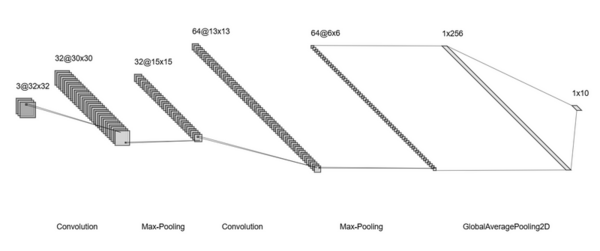
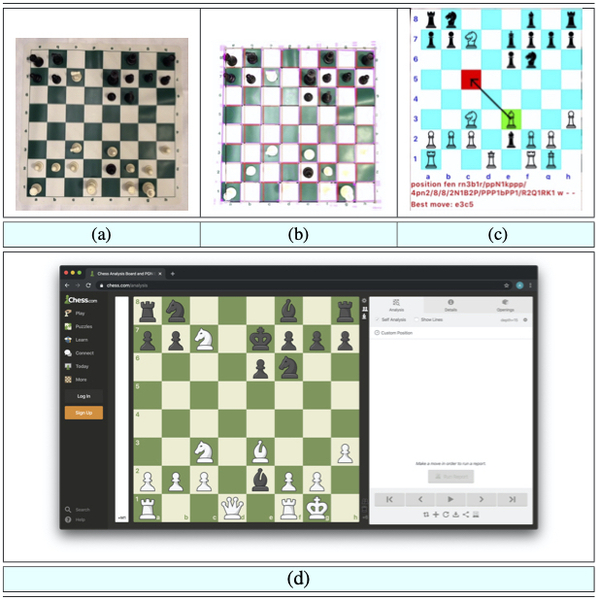
In this study the authors develop an app for faster chess game entry method to help chess learners improve their game. This culminated in the Augmented Reality Chess Analyzer (ARChessAnalyzer) which uses traditional image and vision techniques for chess board recognition and Convolutional Neural Networks (CNN) for chess piece recognition.

Read More...
Importance of pay on job satisfaction

Ravi et al. | Mar 25, 2025

Importance of pay on job satisfaction

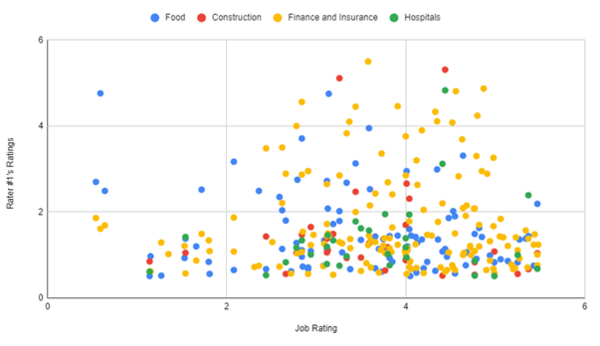
Pay is a widely debated factor in workplace motivation, influencing both incentives and job satisfaction. This work analyzed employee reviews across various industries to examine the relationship between pay importance and job satisfaction. Findings suggest that job satisfaction decreases as the importance of pay increases, particularly in construction, food, and finance industries, as well as among entry-level and experienced workers, though the results were not statistically significant.

Read More...

Effects of vascular normalizing agents on immune marker expression in T cells, dendritic cells, and melanoma cells

Yaskolko et al. | Nov 03, 2021

Effects of vascular normalizing agents on immune marker expression in T cells, dendritic cells, and melanoma cells

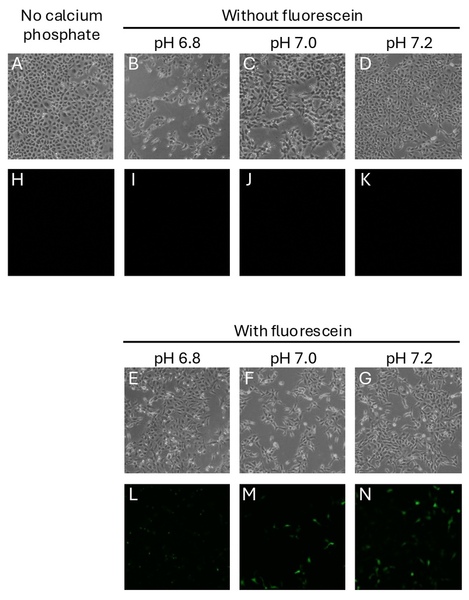
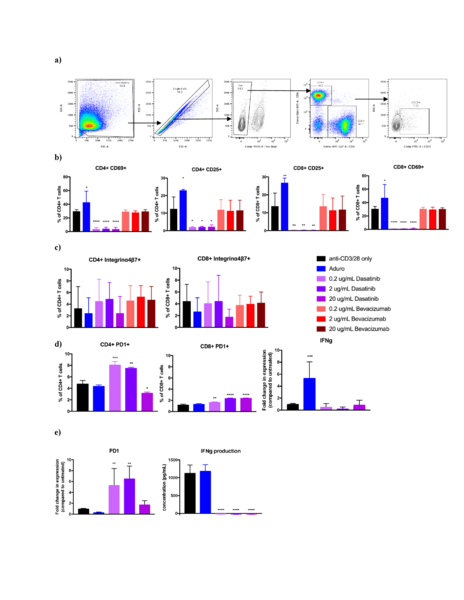
Tertiary lymphoid structures (TLS) are lymph node-like structures that form at sites of inflammation, and their presence in cancer patients is predictive of a better clinical outcome. One significant obstacle to TLS formation is reduced immune cell infiltration into the tumor microenvironment (TME). Recent studies have shown that vasculature normalizing (VN) agents may override this defect to improve tissue perfusion and increased immune cell entry into the TME. However, their effects on immune cell and tumor cell phenotype remain understudied. Here the authors investigate whether treating tumor cells with VN would reduce their immunosuppressive phenotype and promote production of chemokine that recruit immune cells and foster TLS formation.

Read More...

The Effects of Atmospheric Attenuation on Cosmic Ray Muons: How is Surface Level Cosmic Ray Muon Flux Affected by Atmospheric Attenuation?

Sun et al. | Sep 11, 2021

The Effects of Atmospheric Attenuation on Cosmic Ray Muons: How is Surface Level Cosmic Ray Muon Flux Affected by Atmospheric Attenuation?

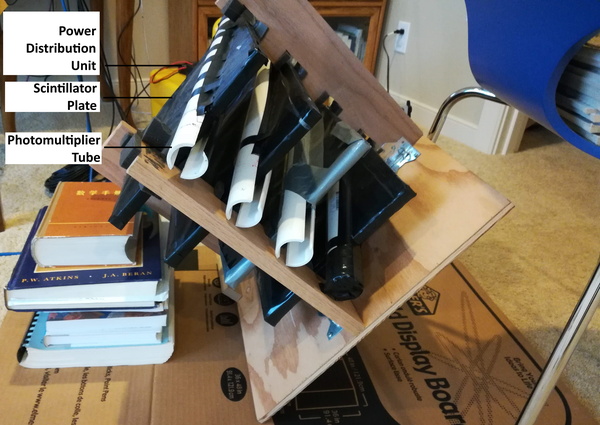
Cosmic rays are high-energy astronomical particles originating from various sources across the universe. Here, The authors sought to understand how surface-level cosmic-ray muon flux is affected by atmospheric attenuation by measuring the variation in relative muon-flux rate relative to zenith angle, testing the hypothesis that muons follow an exponential attenuation model. The attenuation model predicts an attenuation length of 6.3 km. This result implies that only a maximum of 24% of muons can reach the Earth’s surface, due to both decay and atmospheric interactions.

Read More...

Analysis of the effects of positive ions and boundary layer temperature at various hypersonic speeds on boundary layer density

Selvakumar et al. | Oct 02, 2020

Analysis of the effects of positive ions and boundary layer temperature at various hypersonic speeds on boundary layer density

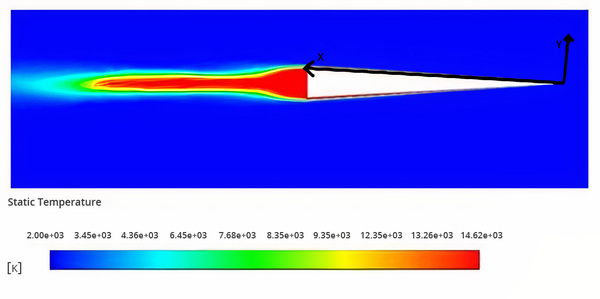
This study's goal was to identify the Mach numbers for which electrostatic drag and heat transfer manipulation would be most applicable inside the stratosphere. The experiments were conducted using computational fluid dynamics software. The study demonstrated that, on average, higher Mach speeds resulted in a considerably higher potential decrease in density. The study highlights that further research on the surface charge method is warranted to explore higher hypersonic speeds within the stratosphere.

Read More...

Evaluating need for adversarial training data given algorithmic defense methods against adversarial attacks

Yian et al. | Jul 05, 2026

Evaluating need for adversarial training data given algorithmic defense methods against adversarial attacks

The purpose of this study was to determine the necessity of previous non-algorithmic attacks (Adversarial Training) in light of algorithmic defense methods (Gradient Masking and Defensive Distillation) against FGSM attacks. We found a significant increase in image classification accuracy from defense methods with the non-algorithmic defense method compared to ones without. By analyzing the significance with a McNemar test, we determined that the inclusion of non-algorithmic defense methods is still necessary in light of new algorithmic defense methods.

Read More...