
In this study, the authors send E. coli cultures to space via the Cubes in SpaceTM program to determine if ultraviolet C and ionizing radiation negatively affect bacterial growth.
Read More...The effects of UV-C and ionizing radiation on the functions of Escherichia Coli
In this study, the authors send E. coli cultures to space via the Cubes in SpaceTM program to determine if ultraviolet C and ionizing radiation negatively affect bacterial growth.
Read More...Human comprehension of 4-dimensional rotation
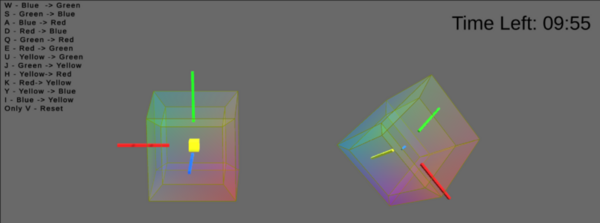
The authors looked at the ability subjects to rotation a 4D cube and how the ability to practice cube rotation impact their ability to understand 4D space.
Read More...Rubik’s cube: What separates the fastest solvers from the rest?
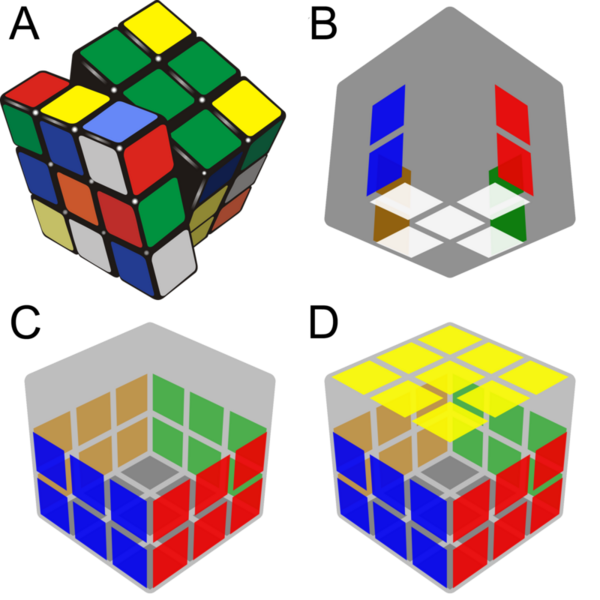
In this study, the authors assess the factors that allow some speedcubers to solve Rubik's Cubes faster than others.
Read More...An Analysis of the Density and Patterns of the Solutions of Diophantine Equations of the Third Power
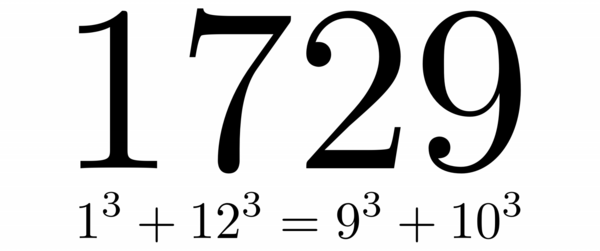
In this study, the authors sought to find out how many mathematical solutions there were to the Indian mathematician Ramanujan's formula, which is a3 + b3 + c3 = d3, and also quantify the densities its solutions. They wrote their own computer program to do so and kept values of a, b, and c less than 10,000. While conducting the analysis, they were also looking for perfect power taxicab numbers and their frequency. They were able to find solutions and densities for the equation. Additionally, while they found that most perfect cube taxicab numbers had a frequency of 2 or 3, they also found on number with a frequency of 42!
Read More...Linear and non-linear summation of responses to visual and olfactory cues in male Drosophila melanogaster
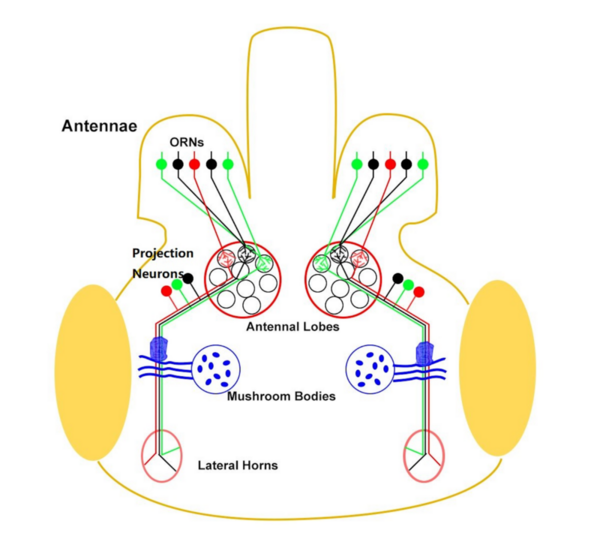
In this study, the authors investigate whether phototaxis and odortaxis in Drosophila melanogaster occurs through linear summation of cues including light and attractive odorants.
Read More...Innovative fake health news detection: Integrating emotional features into graph neural networks
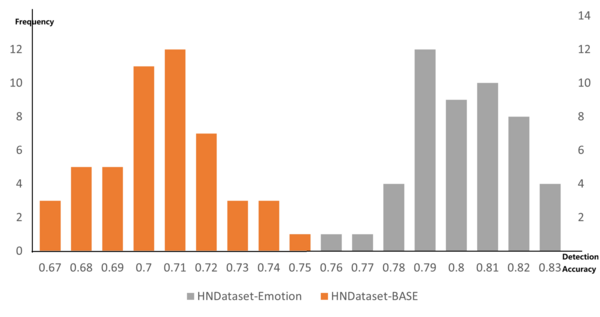
This manuscript tackles a major social issue in the health news sector, with social media being one of the primary sources of information and a prime spot to propagate fake news. The author proposes X-HND , which is a unique architecture that combines emotional and contextual analysis in a Graph Neural Network to accurately detect fake news. This was a multi-step process which involved the creation of a custom health news dataset (HNDataset), and an emotional variant that uses RoBERTa to extract emotion. These dataset were then used to prove the hypothesis that accuracy increases when the custom dataset is used to train the model and that with the integration of emotion capture, the detection accuracy increases further.
Read More...Are Age and Sex Related to Emotion Recognition Ability in Children and Teenagers?
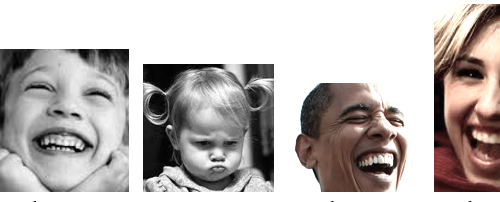
Humans have a natural ability to recognize emotional cues from the facial expressions of others, as a crucial evolutionary trait to navigate social interactions. This ability likely develops through normal development and social experience, but it is unclear how much influence age and sex have in emotional facial recognition (EFR). In this study, the authors investigate EFR in children and teenagers, and look at whether accurate emotional recognition does occur more in males or females.
Read More...Manipulation of extracellular matrix mechanical cues to stimulate oligodendrocytes to promote remyelination
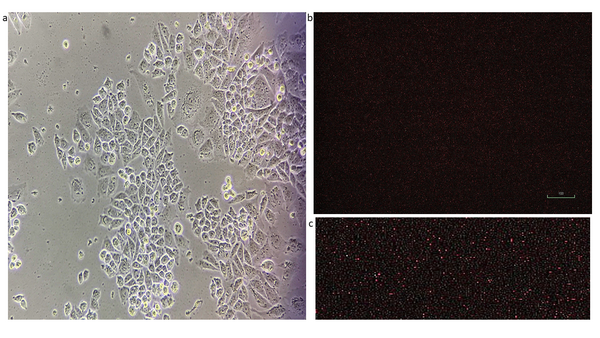
Oligodendrocytes are specialized brain cells that can change to cells that produce myelin and protect nerves. This study investigates the capacity for different extracellular matrix cues to induce this effect in culture.
Read More...Chemoreception in Aurelia aurita studied by AI-enhanced image analysis
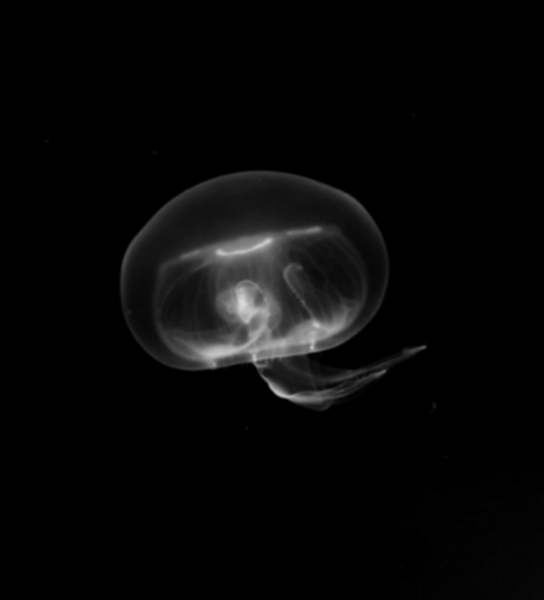
The authors studied the chemoreception of moon jellyfish in response to food, and developed an AI tool to identify track and quantify the pulsation of swimming jellyfish.
Read More...Analyzing the Relationships Between Internet Usage, Social Skill, and Anxiety Severity in Adults with Autism Spectrum Disorder
.jpg)
Here the authors investigate the use of social media in adults with Autism Spectrum Disorder (ASD) in affecting their ability and opportunities to interact with others. They found that higher usage of Internet correlated with less severe anxiety symptoms and improved social skills.
Read More...