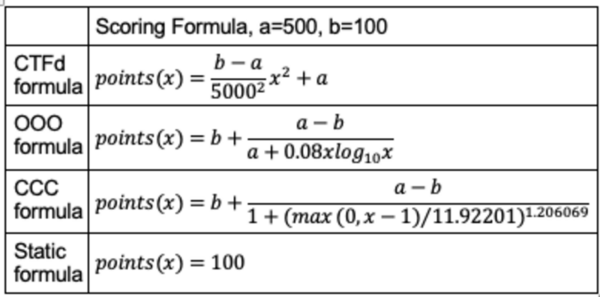
The use of gamification in cybersecurity education, particularly through capture-the-flag competitions, involves scoring challenges based on their difficulty and the number of teams that solve them. The study investigated how changing the scoring formulas affects competition outcomes, predicting that different formulas would alter score distributions.
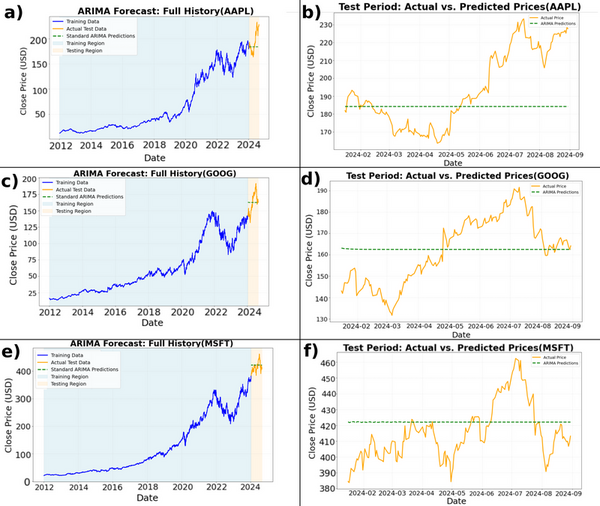
Classical financial forecasting models often fail to capture the complex, nonlinear dynamics of the stock market. This study demonstrates that incorporating a single variable to represent the 'geometric curvature' of a time series dramatically improves the accuracy of standard econometric forecasts. Our findings highlight that geometric properties are a significant predictive factor, opening new avenues for more powerful financial modeling.
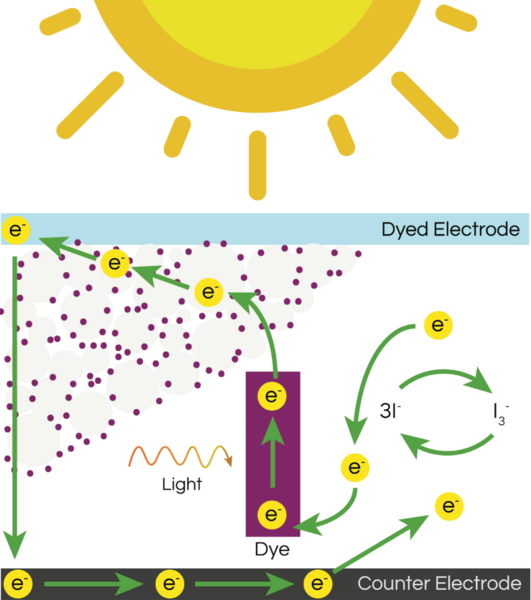
Dye-sensitized solar cells (DSSC) use dye as the photoactive material, which capture the incoming photon of light and use the energy to excite electrons. Research in DSSCs has centered around improving the efficacy of photosensitive dyes. A fruit's color is defined by a unique set of molecules, known as a pigment profile, which changes as a fruit progresses from ripe to rotten. This project investigates the use of fresh and rotten fruit extracts as the photoactive dye in a DSSC.
Here the authors investigate whether there are mathematical inaccuracies of perspective in artists' paintings that are undetectable with our naked eyes. Using the cross-ratio method, they find that there are three significant errors in various famous paintings which increase as the structures in the paintings recede from the viewer.
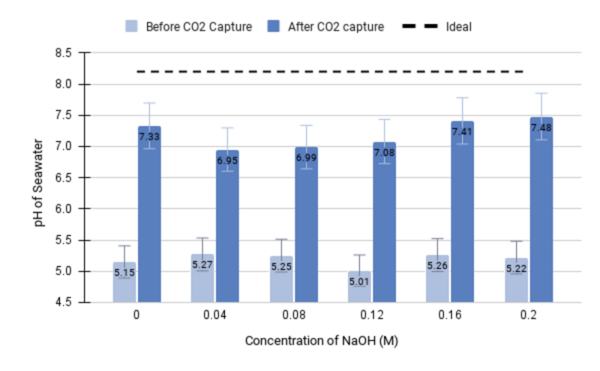
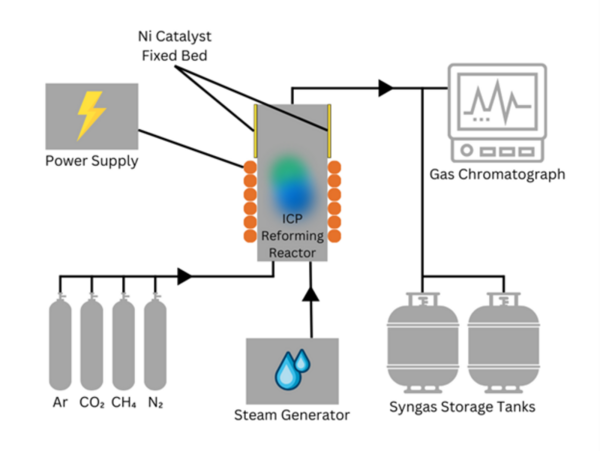
The escalating crisis of climate change, driven by the accumulation of greenhouse gases from human activities, demands urgent and innovative solutions to curb rising global temperatures. Plasma-based methane (CH4) and carbon dioxide (CO2) reforming offers a promising pathway for carbon capture and the sustainable production of hydrogen fuel and syngas components. To advance this technology, particularly in terms of energy efficiency and selectivity, it is essential to enhance the conversion efficiencies of CO2 and CH4.
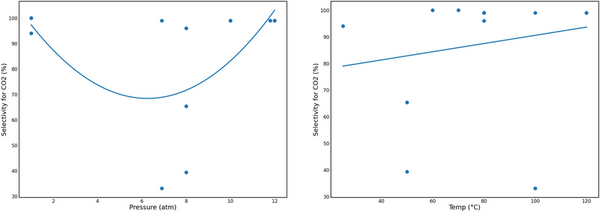
Metal-organic frameworks (MOFs) are promising new nanomaterials for use in the fight against climate change that can efficiently capture and convert CO2 to other useful carbon products. This research used computational models to determine the reaction conditions under which MOFs can more efficiently capture and convert CO2. In a cost-efficient manner, this analysis tested the hypothesis that pressure and temperature affect the efficacy of carbon capture and conversion, and contribute to understanding the optimal conditions for MOF performance to improve the use of MOFs for controlling greenhouse CO2 emissions.
Here the authors investigated air quality forecasting in India, comparing traditional time series models like SARIMA with deep learning models like LSTM. The research found that SARIMA models, which capture seasonal variations, outperform LSTM models in predicting Air Quality Index (AQI) levels across multiple Indian cities, supporting the hypothesis that simpler models can be more effective for this specific task.
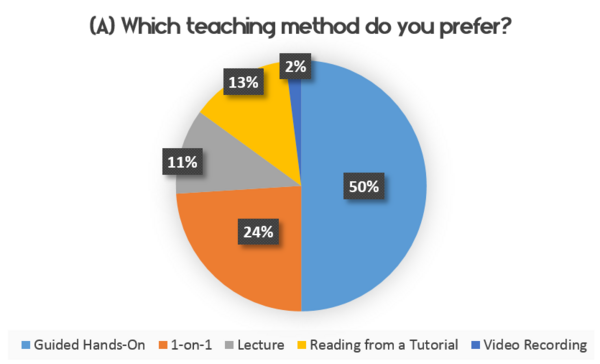
With an increasing older adult population and rapid advancements in technology, it is important that senior citizens learn to use new technologies to remain active in society. A variety of factors on learning were investigated through surveys of senior citizens. Older adults preferred an interactive lesson style, which also seemed to help them retain more course material.
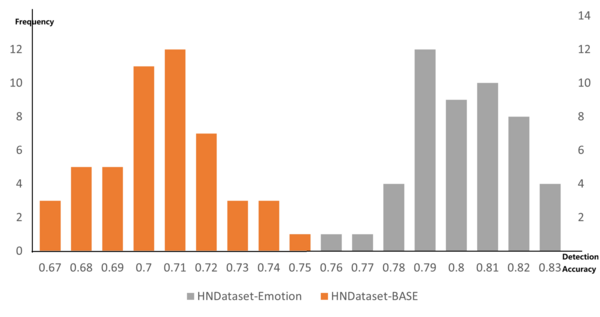
This manuscript tackles a major social issue in the health news sector, with social media being one of the primary sources of information and a prime spot to propagate fake news. The author proposes X-HND , which is a unique architecture that combines emotional and contextual analysis in a Graph Neural Network to accurately detect fake news. This was a multi-step process which involved the creation of a custom health news dataset (HNDataset), and an emotional variant that uses RoBERTa to extract emotion. These dataset were then used to prove the hypothesis that accuracy increases when the custom dataset is used to train the model and that with the integration of emotion capture, the detection accuracy increases further.