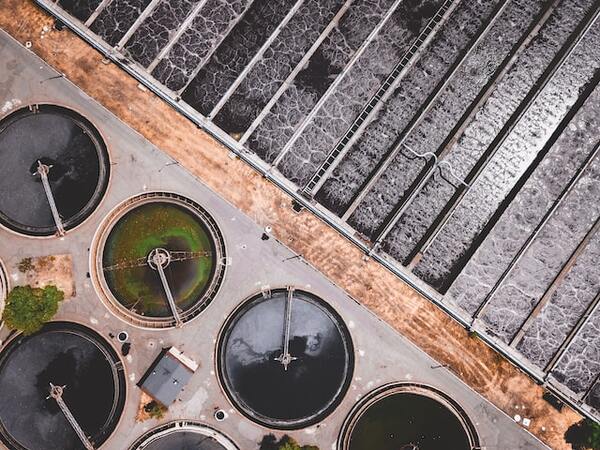
The authors tested environmentally-friendly alternatives to wastewater treatment chemicals, including activated charcoal for filtration and citrus peels for preventing bacterial growth.
Read More...Novel environmentally friendly approach to wastewater treatment eliminates aluminum sulfate and chlorination
The authors tested environmentally-friendly alternatives to wastewater treatment chemicals, including activated charcoal for filtration and citrus peels for preventing bacterial growth.
Read More...Friend or Foe: Investigating the Relationship between a Corn Crop and a Native Ragweed Population
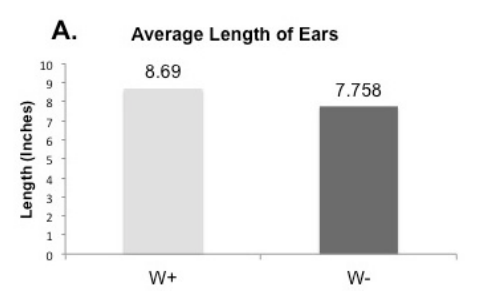
Farmers will need to increase crop yields to feed the world's growing population efficiently. The authors here investigate the effects of growing corn in the presence or absence of ragweed, an invasive weed found in many fields and gardens. Surprisingly, the authors found that corn grown in the presence of weeds grew taller and were more productive than corn that had weeds removed. This may help gardeners rethink the necessity of weeding, and may point a way to improve farm yields in the future.
Read More...Utilizing sorbitol to improve properties of cellulose-based biodegradable hydrogels
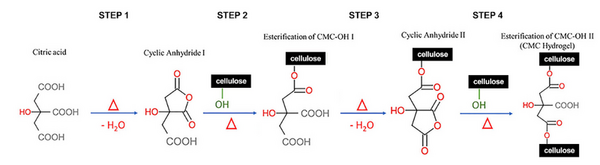
Hydrogels are commonly used in medicine, pharmaceuticals, and agriculture. Hydrogels absorb water by swelling and re-release this water by diffusion. This study sought to synthesize a biodegradable, cellulose-based hydrogel that is more effective at absorbing and re-releasing water than those produced by current methods. We tested the compressive strength of both the dry and swollen gels and the tensile strength of the swollen gels to elucidate the gel structure.
Read More...Cleaning up the world’s oceans with underwater laser imaging
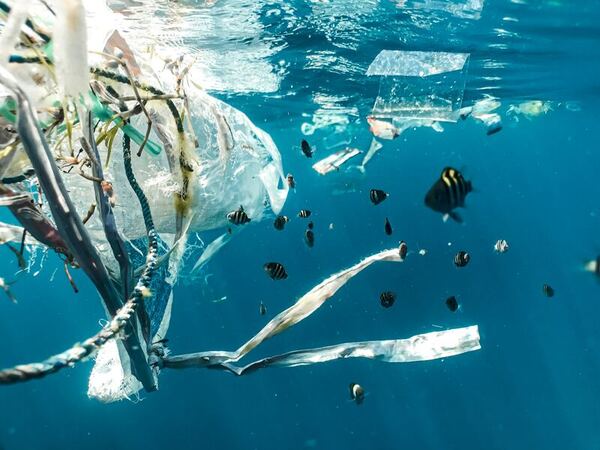
Here recognizing the growing amount of plastic waste in the oceans, the authors sought to develop and test laser imaging for the identification of waste in water. They found that while possible, limitations such as increasing depth and water turbidity result in increasing blurriness in laser images. While their image processing methods were somewhat insufficient they identified recent methods to use deep learning-based techniques as a potential avenue to viability for this method.
Read More...Slowing the Mold Growth on Stored Corn: The Effects of Vinegar, Baker’s Yeast, and Yogurt on Corn Weight Loss
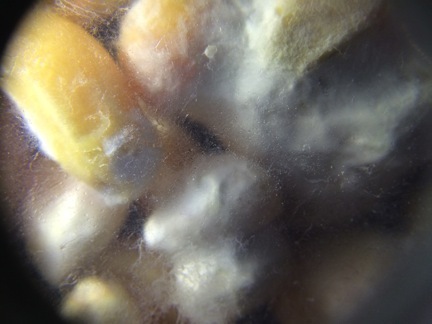
Chemical preservatives are often used to reduce grain spoilage due to mold, but can have harmful heath and environmental effects. In this study, the authors tested three low toxic compounds for their effects on mold growth on corn kernels and found that all three were successful at slowing growth.
Read More...Enhanced soil fertility through seaweed-derived biochar: A comparative analysis with commercial fertilizers
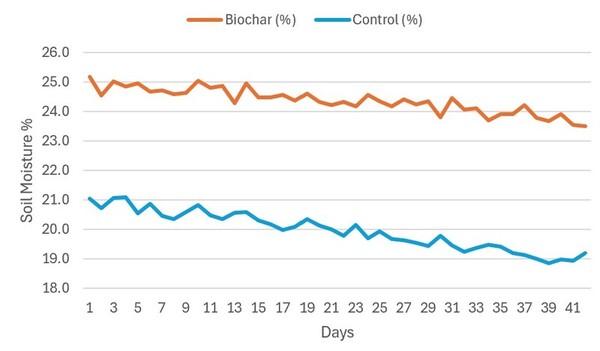
The study explored converting Gracilaria seaweed waste—known for releasing toxic hydrogen sulfide when decomposed—into biochar as a sustainable solution for waste management and soil improvement.
Read More...Lettuce seed germination in the presence of microplastic contamination
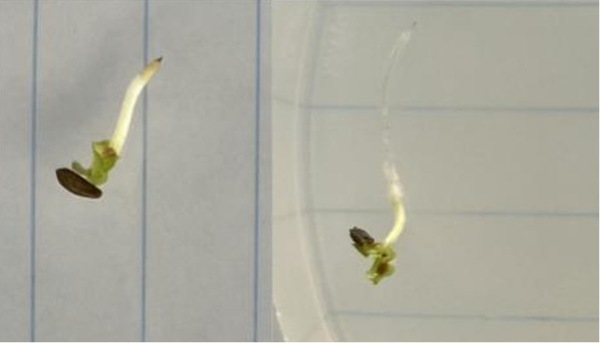
Microplastic pollution is a pressing environmental issue, particularly in the context of its potential impacts on ecosystems and human health. In this study, we explored the ability of plants, specifically those cultivated for human consumption, to absorb microplastics from their growing medium. We found no evidence of microplastic absorption in both intact and mechanically damaged roots. This outcome suggests that microplastics larger than 10 μm may not be readily absorbed by the root systems of leafy crops such as lettuce (L. sativa).
Read More...Testing Epoxy Strength: The High Strength Claims of Selleys’s Araldite Epoxy Glues
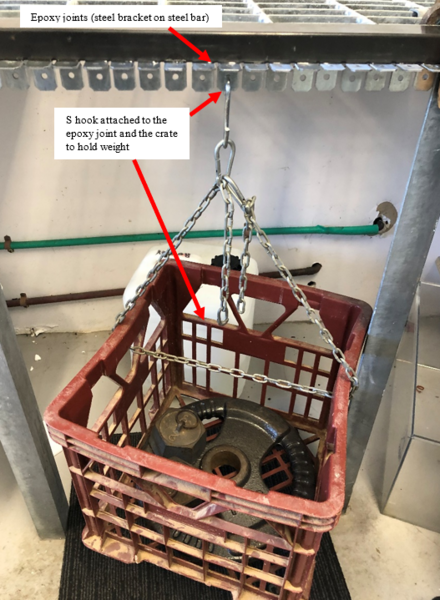
Understanding the techniques used to improve the adhesion strength of the epoxy resin is important especially for consumer applications such as repairing car parts, bonding aluminum sheeting, and repairing furniture or applications within the aviation or civil industry. Selleys Araldite epoxy makes specific strength claims emphasizing that the load or weight that can be supported by the adhesive is 72 kg/cm2. Nguyen and Clarke aimed to test the strength claims of Selley’s Araldite Epoxy by gluing two steel adhesion surfaces: a steel tube and bracket. Results showed that there is a lack of consideration by Selleys for adhesion loss mechanisms and environmental factors when accounting for consumer use of the product leading to disputable claims.
Read More...A Taste of Sweetness in Bioplastics
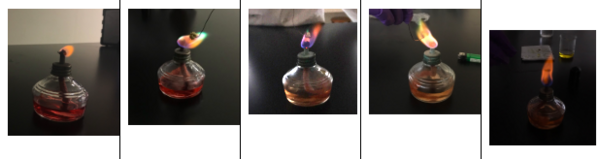
Sweet potatoes are one of the most common starches in Taiwan, and sweet potato peels hold significant potential to make biodegradable plastics which can alleviate the environmental impact of conventional petroleum-based plastics. In this paper, Tsai et al created starch-based bioplastics derived from sweet potato peels and manipulated the amount of added glycerol to alter the plastic’s strength and flexibility properties. Their results indicated that higher concentrations of glycerol yield more malleable plastics, providing insights into how recycled agricultural waste material might be used to slow down the rate of pollution caused by widespread production of conventional plastics.
Read More...Maximizing anaerobic biogas production using temperature variance
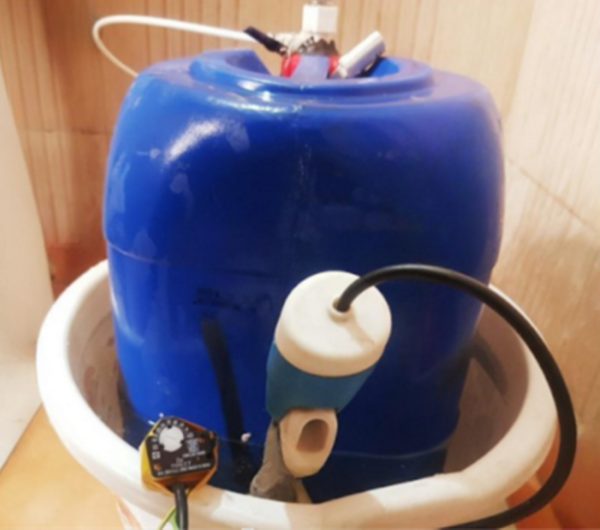
We conducted this research as our start-up's research that addresses the problem of biogas production in cow-dense regions like India. We hypothesized that the thermophilic temperature (45-60oC) would increase biogas production. The production process is much faster and more abundant at temperatures around 55-60oC.
Read More...