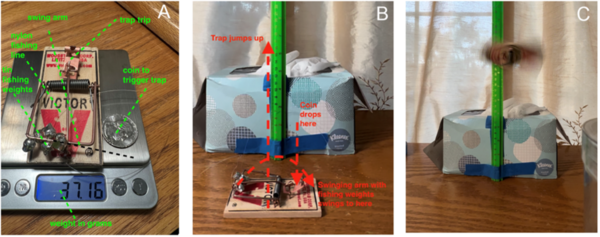
The authors use the unique movements of the jumping gall wasp to study momentum transfer with potential applications in robotics and extraterrestrial research.
Read More...Investigating momentum transfer with gall-forming wasps
The authors use the unique movements of the jumping gall wasp to study momentum transfer with potential applications in robotics and extraterrestrial research.
Read More...Uncovering mirror neurons’ molecular identity by single cell transcriptomics and microarray analysis
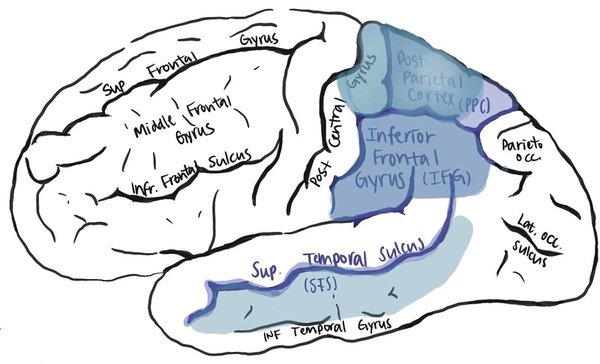
In this study, the authors use bioinformatic approaches to characterize the mirror neurons, which are active when performing and seeing certain actions. They also investigated whether mirror neuron impairment was connected to neural degenerative diseases and psychiatric disorders.
Read More...Role of bacterial flagella in bacterial adhesion of Escherichia coli to glass surface
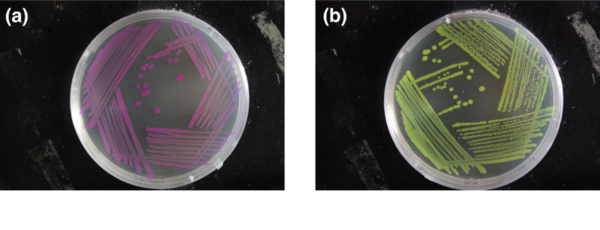
In this study, the authors investigate the effects that flagella have on E. coli's ability to adhere to glass surfaces.
Read More...Propagation of representation bias in machine learning

Using facial recognition as a use-case scenario, we attempt to identify sources of bias in a model developed using transfer learning. To achieve this task, we developed a model based on a pre-trained facial recognition model, and scrutinized the accuracy of the model’s image classification against factors such as age, gender, and race to observe whether or not the model performed better on some demographic groups than others. By identifying the bias and finding potential sources of bias, his work contributes a unique technical perspective from the view of a small scale developer to emerging discussions of accountability and transparency in AI.
Read More...Augmented Reality Chess Analyzer (ARChessAnalyzer): In-Device Inference of Physical Chess Game Positions through Board Segmentation and Piece Recognition using Convolutional Neural Networks
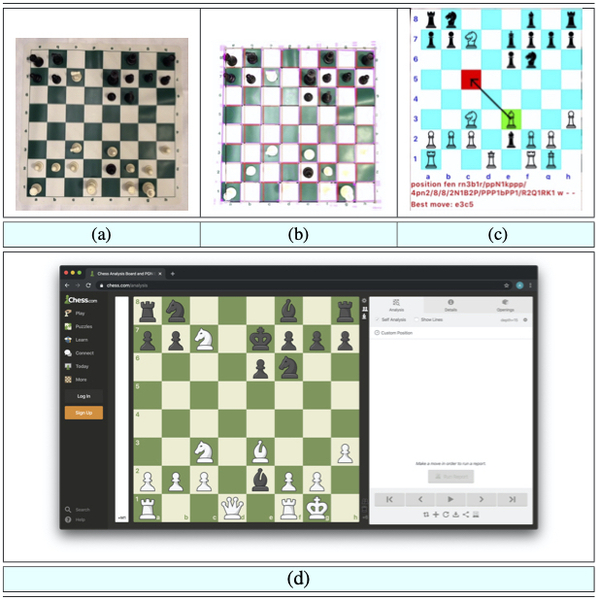
In this study the authors develop an app for faster chess game entry method to help chess learners improve their game. This culminated in the Augmented Reality Chess Analyzer (ARChessAnalyzer) which uses traditional image and vision techniques for chess board recognition and Convolutional Neural Networks (CNN) for chess piece recognition.
Read More...An in vitro comparative analysis of the growth factors present in FBS vs PLAY®
Here the authors performed a comparative analysis to investigate the viability of using PLAY® instead of fetal bovine serum (FBS) as a growth medium to culture cells with an enzyme-linked immunosorbent assay.
Read More...Parental exposure of cannabinoids THC and CBD reduces reproductive rates in Drosophila melanogaster
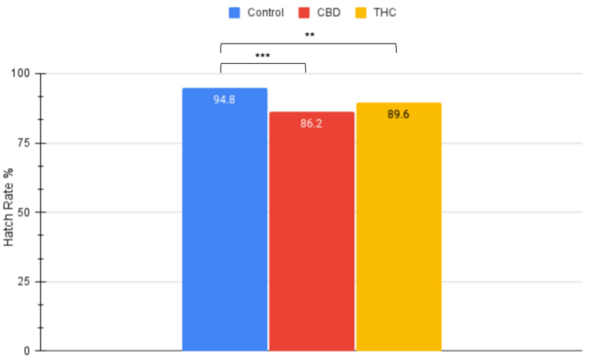
The authors looked at whether CBD and THC would decrease reproductive rates in a Drosophila melanogaster model. They found that CBD had a greater impact on reducing hatching rates than THC, and that THC resulted in unexpected mortalities.
Read More...Varying levels of disinfectant resistance among invasive Klebsiella pneumoniae isolates
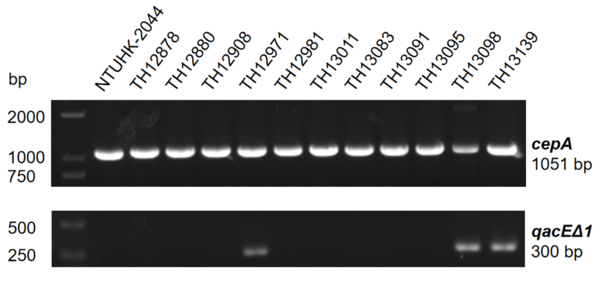
The authors identify disinfectant-resistant bacterial strains of infection-causing bacteria from samples collected at a hospital setting.
Read More...Apoptosis induction and anti-inflammatory activity of polyherbal drug AS20 on cervical cancer cell lines
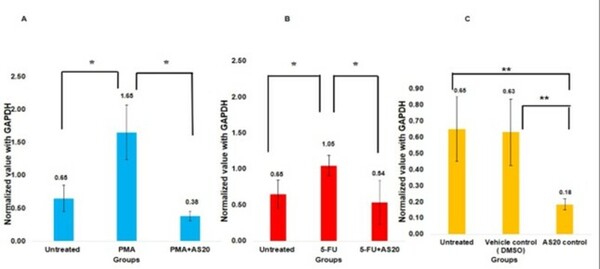
The authors found that treatment with AS20 suppressed phorbol 12-myristate 13-acetate (PMA) and 5-flurouracil (5-FU) induction of COX2 expression. We also observed AS20 treated cells showed DNA fragmentation in HeLa cells.
Read More...Differential MERS-CoV response in different cell types

The authors compare RNA expression profiles across three human cell types following infection with MERS-CoV
Read More...