Browse Articles

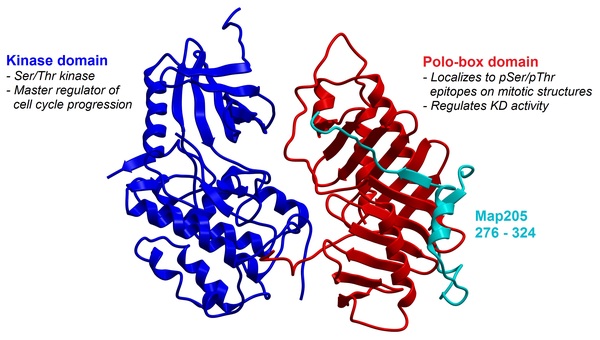
Peptidomimetics Targeting the Polo-box Domain of Polo-like Kinase 1

Jang et al. | Aug 19, 2016

Peptidomimetics Targeting the Polo-box Domain of Polo-like Kinase 1

Polo-like kinase 1 (Plk1) is a master regulator of mitosis, initiating key steps of cell cycle regulation, and its overexpression is associated with certain types of cancer. In this study, the authors carefully designed peptides that were able to bind to Plk1 at a location that is important for its proper localization and function. Future studies could further develop these peptides to selectively target Plk1 in cancer cells and induce mitotic arrest.

Read More...

Cell cytotoxicity and pro-apoptosis on MCF-7 cells using polyherbal formulation, MAT20

Tarigopula et al. | Feb 17, 2023

Cell cytotoxicity and pro-apoptosis on MCF-7  cells using polyherbal formulation, MAT20

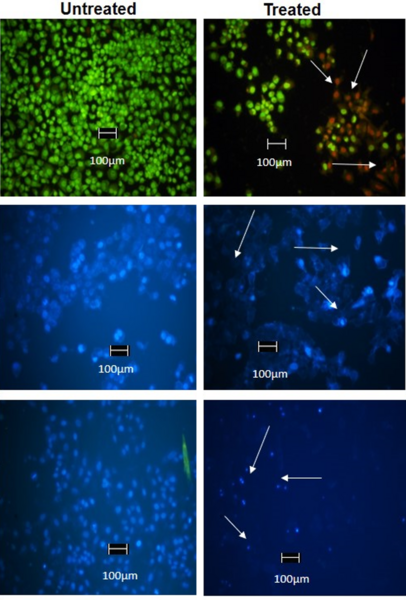
The purpose of this study was to test the anti-cancer properties and pro-apoptotic effects of the polyherbal formulation MAT20 as a complementary treatment. Moringa oleifera (Moringa), Phyllanthus emblica (Amla) and Ocimum sanctum (Tulsi), these 3 herbs were used to formulate MAT20, which contain phytochemicals that are known to display anti-cancer properties. In this study, we hypothesized that MCF-7 breast cancer cells treated with MAT20 would show increased cytotoxicity compared to its individual plant extracts.

Read More...

Luteolin's positive inhibition of melanoma cell lines.

Su et al. | Nov 17, 2020

Luteolin's positive inhibition of melanoma cell lines.

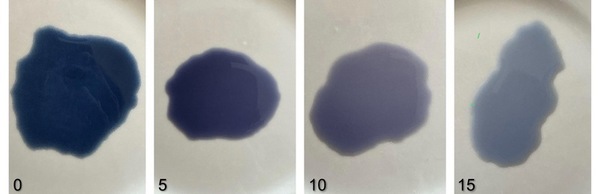
Luteolin (3′,4′,5,7-tetrahydroxyflavone) is a flavonoid that occurs in fruits, vegetables, and herbs. Research suggests that luteolin is effective against various forms of cancer by triggering apoptosis pathways. This experiment analyzes the effects of luteolin on the cell viability of malignant melanoma cells using an in vitro experiment to research alternative melanoma treatments and hopefully to help further cancer research as a whole.

Read More...

Utilizing sorbitol to improve properties of cellulose-based biodegradable hydrogels

Adler et al. | Jan 06, 2025

Utilizing sorbitol to improve properties of cellulose-based biodegradable hydrogels

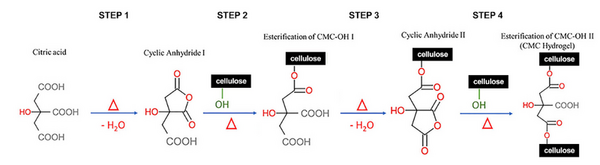
Hydrogels are commonly used in medicine, pharmaceuticals, and agriculture. Hydrogels absorb water by swelling and re-release this water by diffusion. This study sought to synthesize a biodegradable, cellulose-based hydrogel that is more effective at absorbing and re-releasing water than those produced by current methods. We tested the compressive strength of both the dry and swollen gels and the tensile strength of the swollen gels to elucidate the gel structure.

Read More...

Potential Multifunctional Agents for Dual Therapy of Age-Related and Associated Diseases: Alzheimer’s Disease and Type 2 Diabetes Mellitus

Kumar et al. | Nov 13, 2019

Potential Multifunctional Agents for Dual Therapy of Age-Related and Associated Diseases: Alzheimer’s Disease and Type 2 Diabetes Mellitus

Studies show an age-related link between Alzheimer’s Disease and Type 2 Diabetes Mellitus with oxidative stress a characteristic of both. Here, methanolic fractionations and extracts of four Ayurvedic plants were assessed for their protective abilities using a number of in vitro assays. Extracts inhibited oxidative stress and reduced activity of key enzymes involved in the pathogenesis of both diseases in neuroblastoma cells.

Read More...