Browse Articles

Simulating single versus cocktail antibiotic effects on the human gut microbiome

Patel et al. | Jul 19, 2026

Simulating single versus cocktail antibiotic effects on the human gut microbiome
Image credit: Volodymyr Hryshchenko

This study, uses SimulATe to model changes in microbial diversity and community structure upon administering a cocktail of antibiotics versus a single antibiotic. The authors hypothesized that antibiotic cocktails, particularly those combining broad-spectrum drugs like tetracyclines and trimethoprims, would cause a more significant reduction in gut microbial diversity compared to single-drug treatments. The findings confirmed a greater loss of microbial diversity with combinatorial treatments compared to single-drug treatments. While individual antibiotics dynamically reshaped the surviving species of the microbiome, antibiotic cocktails frequently cleared all species of the gut microbiome.

Read More...
Measuring the effect of early universe dark matter on the primordial values of helium-4 and deuterium

Pal et al. | Apr 29, 2026

Measuring the effect of early universe dark matter on the primordial values of helium-4 and deuterium

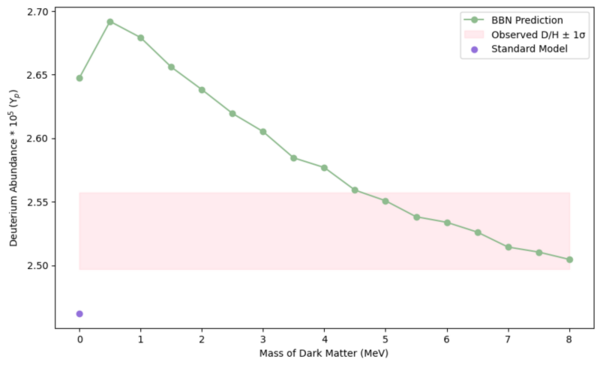
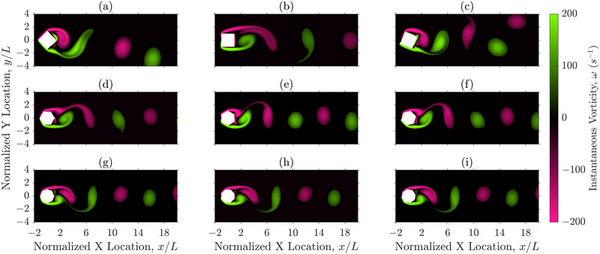
Recent observations by the “Extremely Metal-Poor Representatives Explored by the Subaru Survey” (EMPRESS) collaboration found normal deuterium levels but unexpectedly low helium-4, challenging current cosmological theories. This study used simulations with the PRyMordial package to test whether dark matter particles interacting with neutrinos in the early universe could explain the discrepancy.

Read More...

Testing filtration capabilities of household fabrics for protection against airborne contaminants

Shah et al. | May 31, 2025

Testing filtration capabilities of household fabrics for protection against airborne contaminants

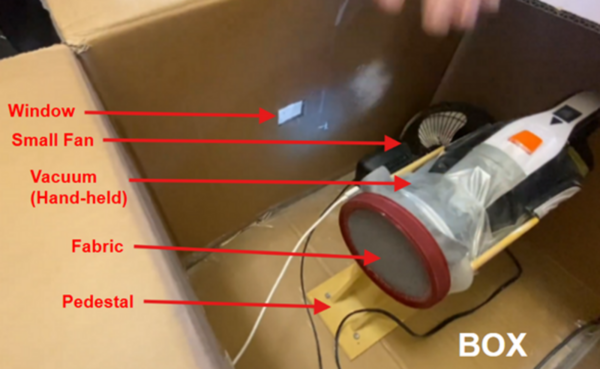
Toxic particulates in the atmosphere pose significant health risks, and while modern masks can help reduce inhalation of these pollutants, their availability may be limited during health crises. This study evaluated the effectiveness of household fabrics (cotton, fleece, wool, and rayon) as particulate filters, finding that cotton outperformed the others in filtration efficiency, while rayon was the least effective. The findings suggest that cotton is a preferable alternative for filtration purposes, while rayon should be avoided.

Read More...