Browse Articles

Trajectories Between Cigarette Smoking and Electronic Nicotine Delivery System Use Among Adults in the U.S.

Primack et al. | Apr 30, 2020

Trajectories Between Cigarette Smoking and Electronic Nicotine Delivery System Use Among Adults in the U.S.

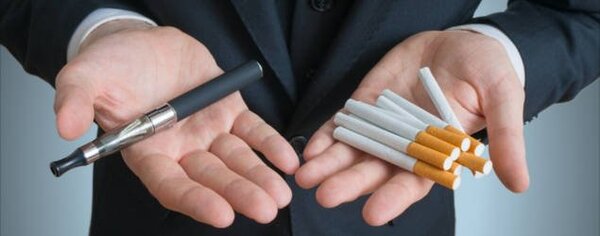
In this study, the authors characterized the trends of cigarette use amongst people who do and don't use electronic nicotine delivery systems (or ENDS). This was done to help determine if the use of ENDS is aiding in helping smokers quit, as the data on this has been controversial. They found that use of ENDS among people either with or without previous cigarette usage were more likely to continue using cigarettes in the future. This is important information contributing to our understanding of ways to effectively (and not effectively) reduce cigarette use.

Read More...

A Taste of Sweetness in Bioplastics

Tsai et al. | Apr 05, 2019

A Taste of Sweetness in Bioplastics

Sweet potatoes are one of the most common starches in Taiwan, and sweet potato peels hold significant potential to make biodegradable plastics which can alleviate the environmental impact of conventional petroleum-based plastics. In this paper, Tsai et al created starch-based bioplastics derived from sweet potato peels and manipulated the amount of added glycerol to alter the plastic’s strength and flexibility properties. Their results indicated that higher concentrations of glycerol yield more malleable plastics, providing insights into how recycled agricultural waste material might be used to slow down the rate of pollution caused by widespread production of conventional plastics.

Read More...

Modeling Energy Produced by Solar Panels

Meister et al. | Jan 13, 2018

Modeling Energy Produced by Solar Panels

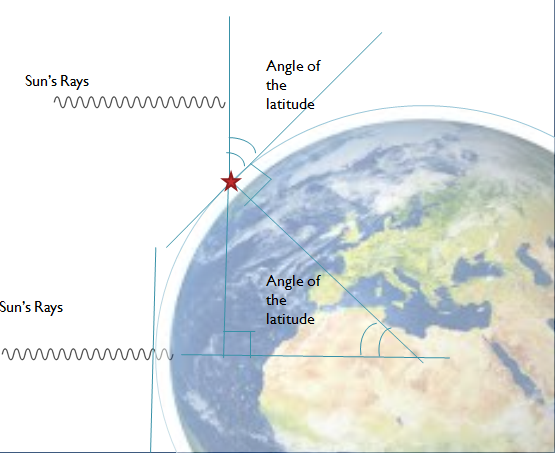
In this study, the authors test the effect that the tilt angle of a solar panel has on the amount of energy it generates. This investigation highlights a simple way that people can harvest renewable energy more efficiently and effectively.

Read More...

More Efficient Helicopter Blades Based on Whale Tubercles

Weitzman et al. | Dec 22, 2013

More Efficient Helicopter Blades Based on Whale Tubercles

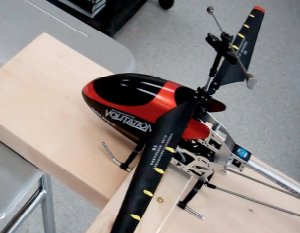
Biomimicry is the practice of applying models and systems found in nature to improve the efficiency and usefulness of human technologies. In this study, the authors designed helicopter blades with tubercle structures similar to those found on the tails of humpback whales. The authors found that certain arrangements of these tubercle structures improved the windspeed and efficiency of a model helicopter.

Read More...

Determining the Habitable Zone Around a Star

Lee et al. | May 29, 2013

Determining the Habitable Zone Around a Star

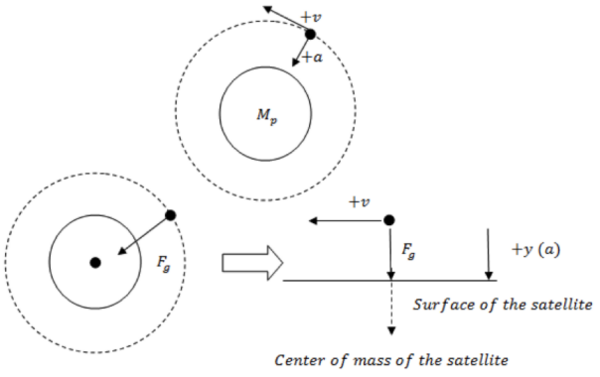
Life requires many things, including a hospitable temperature, elements, and energy. Here the authors utilize Newton's laws of physics and information relating a star's luminosity and temperature to determine the minimum and maximum masses and luminosities of planets and stars that would support life as we know it. This work can be used to determine the likelihood of a planet being able to support life based on attributes we can measure from here on Earth.

Read More...

Leveraging transfer learning with convolutional neural networks for cardiovascular disease detection

Chen et al. | May 25, 2026

Leveraging transfer learning with convolutional neural networks for cardiovascular disease detection
Image credit: Stephen Andrews

This study shows the efficacy of leveraging transfer learning, specifically from residual networks, to detect CVDs and possible signs of CVDs. The findings indicate that leveraging transfer learning from residual networks alongside medical professionals is a highly promising approach for CVD detection and diagnosis, warranting further investigation.

Read More...