
In this study, the authors use existing mathematical models to how high school athletes pace 800 m, 1600 m, and 3200 m distance track events compared to elite athletes.
Read More...An optimal pacing approach for track distance events
In this study, the authors use existing mathematical models to how high school athletes pace 800 m, 1600 m, and 3200 m distance track events compared to elite athletes.
Read More...Identifying anxiety and burnout from students facial expressions and demographics using machine learning
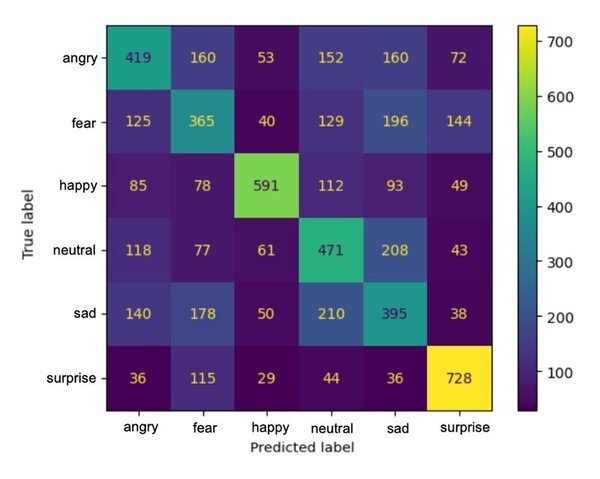
The authors used machine learning to predict the presence of anxiety and burnout in students based on facial expressions and demographic information.
Read More...Utilizing a Wastewater-Based Medium for Engineered Saccharomyces cerevisiae for the Biological Production of Fatty Alcohols and Carboxylic Acids to Replace Petrochemicals
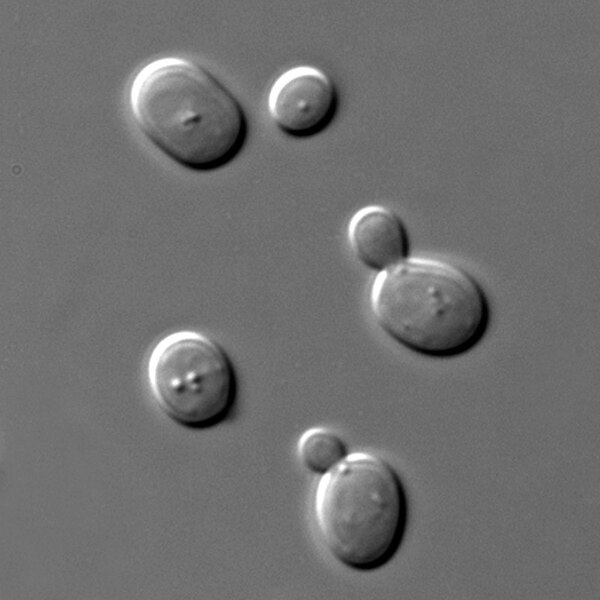
Saccharomyces cerevisiae yeast is used to produce bioethanol, an alternative to fossil fuels. In this study, authors take advantage of this well studied yeast by genetically engineering them to increase fatty acid biosynthesis and culturing in a cost-effective wastewater based medium; potentially providing a sustainable alternative to petrochemicals.
Read More...Analysis of bending loss in single-mode optical fiber with low-cost setup

This study investigates how bending radius, wavelength, and number of turns affect signal attenuation in single-mode optical fibers.
Read More...The effect of bioenhancers on ampicillin-sulbactam as a treatment against A. baumannii
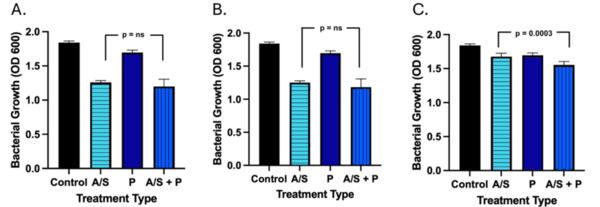
This article explores the potential of piperine, a bioenhancer from black pepper, to improve antibiotic efficacy against antibiotic-resistant Acinetobacter baumannii. By combining piperine with ampicillin-sulbactam, the study demonstrated a significant reduction in bacterial growth for most strains tested, showcasing the promise of bioenhancers in combating resistant pathogens. This research highlights the possibility of reducing the required antibiotic dosage, potentially offering a new strategy in the fight against drug-resistant bacteria.
Read More...Ant Colony Optimization Algorithms with Multiple Simulated Colonies Offer Potential Advantages for Solving the Traveling Salesman Problem and, by Extension, Other Optimization Problems
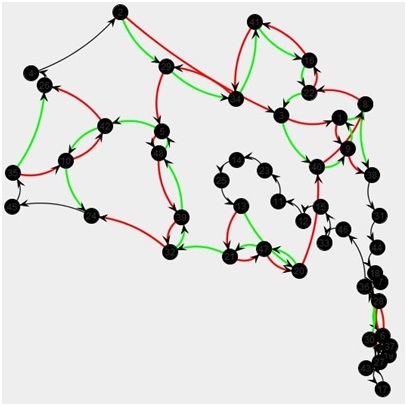
Ant colony optimization algorithms simulate ants moving from point to point on a graph and coordinate their actions, similar to ants laying down pheromones to strengthen a path as it is used more frequently. These ACO algorithms can be applied to the classic traveling salesman problem, which aims to determine the lowest-cost path through a given set of points on a graph. In this study, a novel multiple-colony system was developed that uses multiple simulated ant colonies to generate improved solutions to the traveling salesman problem.
Read More...Too hot to work? Heat waves, household income, and labor adaptation in India
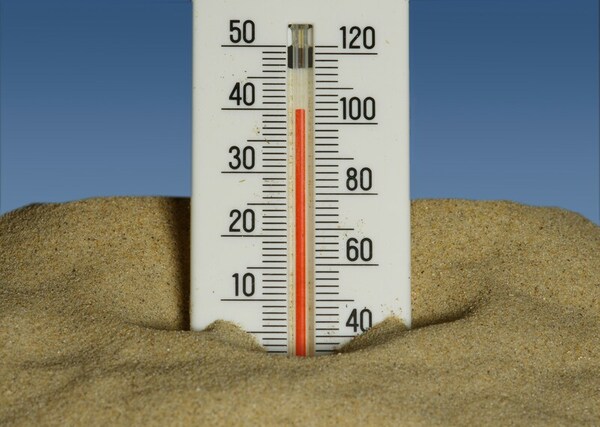
Paper found that heat waves in India are linked to lower household income, agricultural income, and consumption, with agriculture being affected the most. It also suggests farm workers may adapt to extreme heat over time by increasing labor inputs despite rising temperatures.
Read More...English learner status in Florida public schools is correlated with significantly lower graduation rates
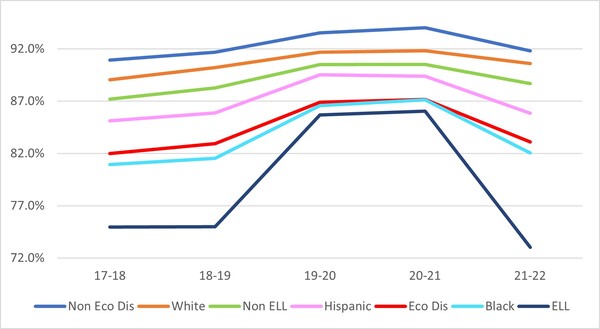
The authors explore factors affecting graduation rates of students learning English as a second language across Florida counties.
Read More...A HOG feature extraction and CNN approach to Parkinson’s spiral drawing diagnosis
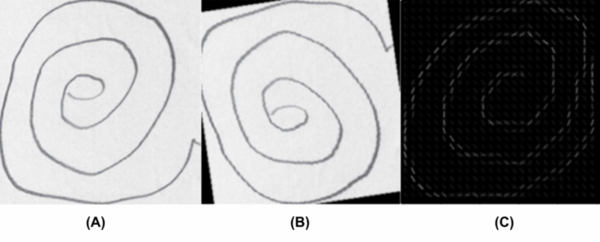
Parkinson’s disease (PD) is a prevalent neurodegenerative disorder in the U.S., second only to Alzheimer’s disease. Current diagnostic methods are often inefficient and dependent on clinical exams. This study explored using machine and deep learning to enhance PD diagnosis by analyzing spiral drawings affected by hand tremors, a common PD symptom.
Read More...The gender gap in STEM at top U.S. Universities: change over time and relationship with ranking
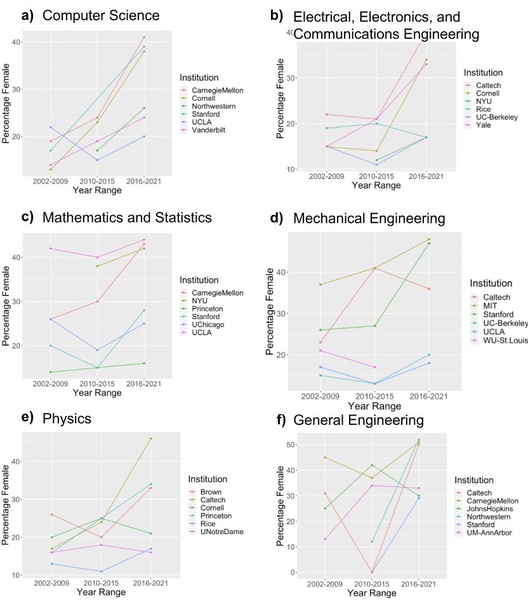
Authors address the gender disparity in STEM fields, examining changes in gender diversity across male-dominated undergraduate programs over 19 years at 24 top universities. Analyzing data from NCES IPEDS, it identifies STEM as persistently male-dominated but notes increasing gender diversity in many disciplines, particularly in recent years. Results indicate that higher-ranked universities in disciplines like computer science and mechanical engineering show a weak correlation with improved gender diversity, suggesting effective initiatives can mitigate the gender gap in STEM, despite ongoing challenges.
Read More...