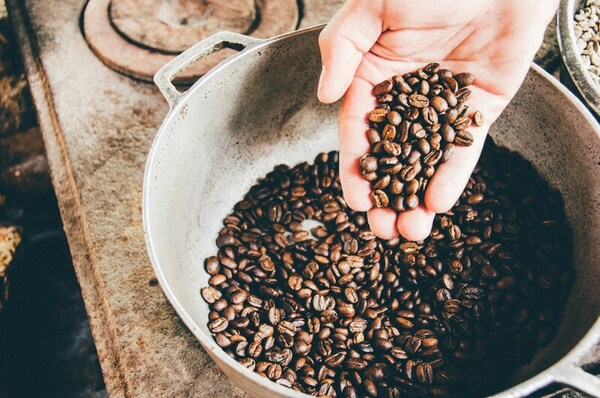
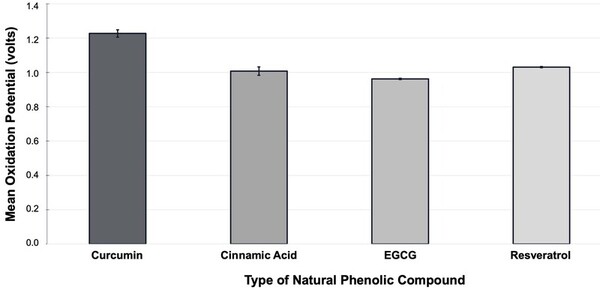
Here the authors used a free radical assay to characterize the antioxidant capacity of three types of coffee beans. They fond that Robusta coffee presented greater inhibition percentages than other species in their free radical assay, indicating higher antioxidant capacity.
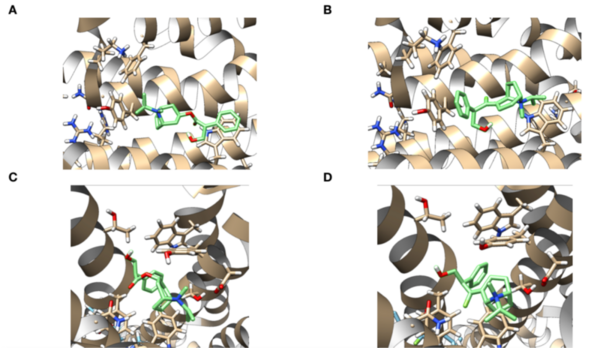
Anticholinergics are used in treating asthma, a chronic inflammation of the airways. These drugs block human M1 and M2 muscarinic acetylcholine receptors, inhibiting bronchoconstriction. However, studies have reported complications of anticholinergic usage, such as exacerbated eosinophil production and worsened urinary retention. Modification of known anticholinergics using bioisosteric replacements to increase efficacy could potentially minimize these complications. The present study focuses on identifying viable analogs of anticholinergics to improve binding energy to the receptors compared to current treatment options. Glycopyrrolate (G), ipratropium (IB), and tiotropium bromide (TB) were chosen as parent drugs of interest, due to the presence of common functional groups within the molecules, specifically esters and alcohols. Docking score analysis via AutoDock Vina was used to evaluate the binding energy between drug analogs and the muscarinic acetylcholine receptors. The final results suggest that G-A3, IB-A3, and TB-A1 are the most viable analogs, as binding energy was improved when compared to the parent drug. G-A4, IB-A4, IB-A5, TB-A3, and TB-A4 are also potential candidates, although there were slight regressions in binding energy to both muscarinic receptors for these analogs. By researching the effects of bioisosteric replacements of current anticholinergics, it is evident that there is a potential to provide asthmatics with more effective treatment options.
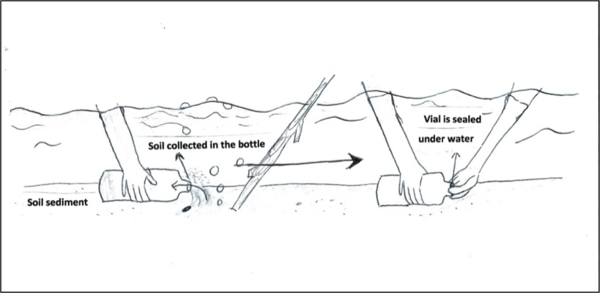
Methane is a naturally-occurring gas that could be utilized as a renewable source of energy. In this study, authors isolated microorganisms from the Puget Sound region that could produce methane biofuel from composted waste.
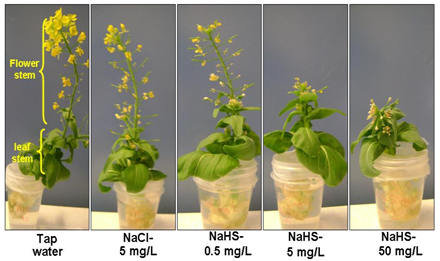
Hydrogen sulfide is toxic at high concentrations, but at low concentrations may be helpful for plant growth. This study characterizes the effect of hydrogen sulfide exposure on leafy plant growth. Bok choy hearts were grown in the presence of hydrogen sulfide, and measured for new leaf growth and flowering.
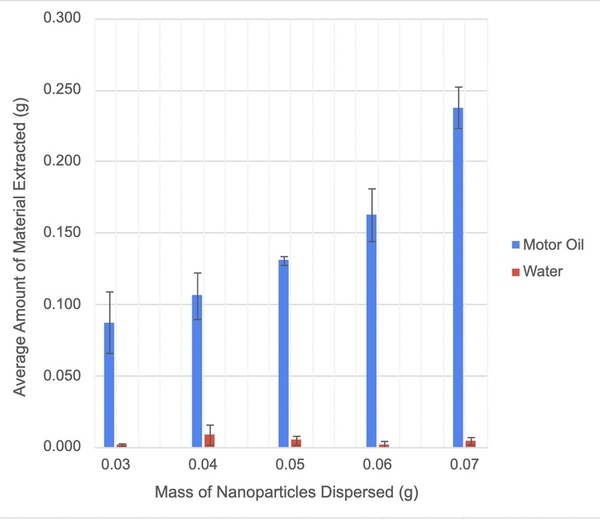
This study aimed to combat widespread hydrocarbon residue persistently polluting global water sources by developing and testing the ability of modified iron(III) oxide-hydroxide (FeO(OH)) nanoparticles to remove small amounts of motor oil from freshwater
With the advance of technology, artificial intelligence (AI) is now applied widely in society. In the study of AI, machine learning (ML) is a subfield in which a machine learns to be better at performing certain tasks through experience. This work focuses on the convolutional neural network (CNN), a framework of ML, applied to an image classification task. Specifically, we analyzed the performance of the CNN as the type of neural activation function changes.
Modern day fossil fuels are prone to polluting our environment, which can provide major habitat loss to many animals in our ecosystems. Algae-based biofuels have become an increasingly popular alternative to fossil fuels because of their sustainability, effectiveness, and environmentally-friendly nature. To encourage algae growth and solidify its role as an emerging biofuel, we tested basic (in terms of pH) solutions on pond water to determine which solution is most efficient in inducing the growth of algae.
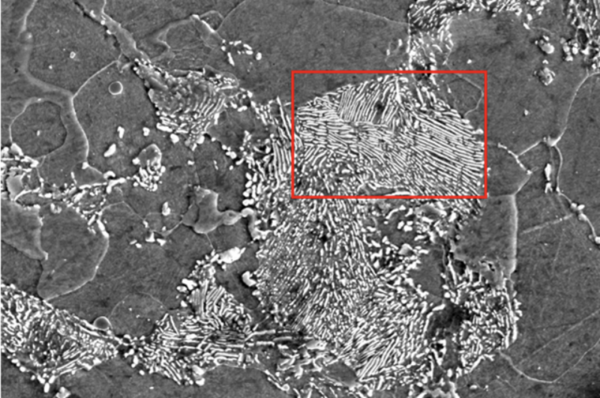
This article investigates whether induction heating can speed up static recrystallization in AISI 4130 steel compared with traditional radiant heating. It was found that induction-heated samples recrystallized faster, softened more quickly, and showed earlier microstructural changes like grain nucleation and pearlite spheroidization, suggesting induction heating could be a more efficient alternative for industrial metal heat treatments.
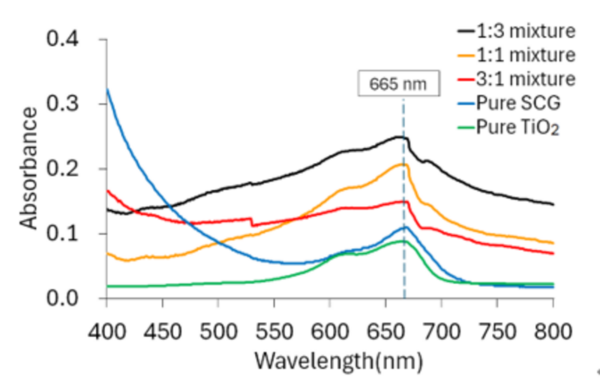
This paper looks at using spent coffee grounds as a partial substitute for titanium dioxide (TiO2) as a catalyst for chemical reactions. Using UV-Vis spectrophotometry, they found that adding the coffee grounds to TiO2 in a 3:1 ratio, there is still meaningful catalytic activity. This offers a cheaper solution than just using pure TiO2.