Browse Articles

Electrocatalytic oxidation of furfural on Co3O4/nickel foam catalyst: performance and mechanistic study

Song et al. | Jul 19, 2026

Electrocatalytic oxidation of furfural on Co<sub>3</sub>O<sub>4</sub>/nickel foam catalyst: performance and mechanistic study
Image credit: Shraga kopstein

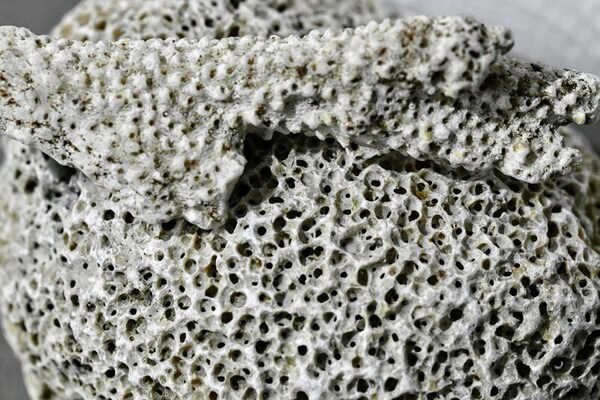
In this study, the authors hypothesized that the unique redox properties of cobalt oxide (Co3O4), combined with the conductive nature of the nickel foam (NF) substrate, synergistically enhances the catalytic performance for furfural oxidation. The study showed successful synthesis of Co3O4 nanoflowers directly grown on NF and tested their capacity to serve as a highly efficient electrocatalyst for furfural oxidation. Beyond furfural oxidation, this study also offers broader implications for sustainable chemistry by establishing design principles for efficient nucleophilic oxidation reaction catalysts, demonstrating an energy-saving alternative to conventional oxygen evolution reaction-coupled processes, and showcasing how biomass conversion can be integrated with renewable energy systems.

Read More...

A potentially underestimated source of CO2 and other greenhouse gases in agriculture

Corcimaru et al. | May 18, 2022

A potentially underestimated source of CO<sub>2</sub> and other greenhouse gases in agriculture

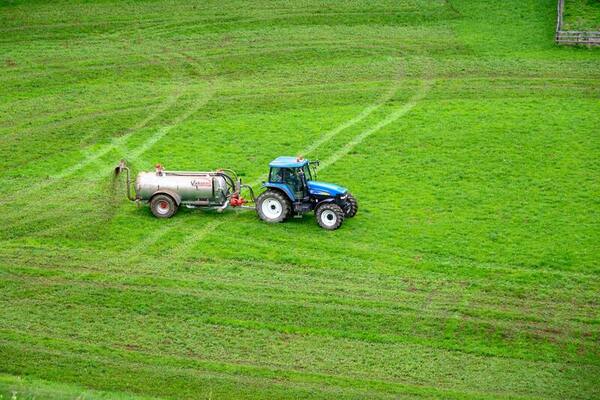
Here the authors investigated the role of agricultural fertilizers as potential contributors to greenhouse gas emissions. In contrast to the typical investigations that consider microbiological processes, the authors considered purely chemical processes. Based on their results they found that as much as 20.41% of all CO2 emission from land-based activities could be a result of mineral nitrogen fertilizers.

Read More...

The Effects of Barley Straw (Hordeum vulgare) Extract and Barley Straw Pellets on Algal Growth and Water Quality

McHargue et al. | Oct 06, 2020

The Effects of Barley Straw (Hordeum vulgare) Extract and Barley Straw Pellets on Algal Growth and Water Quality

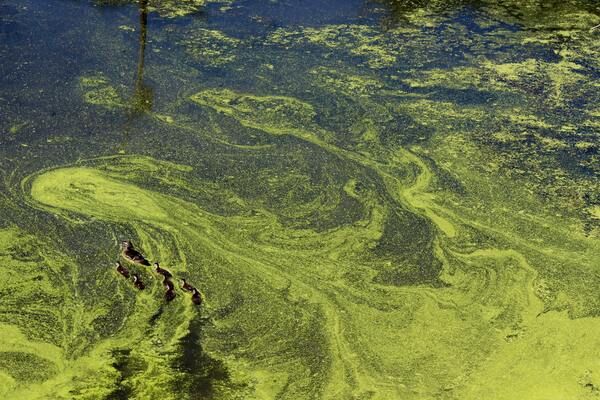
Algal overgrowth often threatens to clog irrigation pipes and drinking water lines when left unchecked, as well as releasing possible toxins that threaten plant and human health. It is thus important to find natural, non-harmful agents that can decrease algal growth without threatening the health of plants and humans. In this paper, the authors test the efficacy of barely extract in either liquid or pellet form in decreasing algal growth. While their results were inconclusive, the experimental set-up allows them to investigate a wider range of agents as anti-algal treatments that could potentially be adopted on a wider scale.

Read More...

The determinants and incentives of corporate greenhouse gas emission reduction

Liu et al. | Jun 04, 2021

The determinants and incentives of corporate greenhouse gas emission reduction

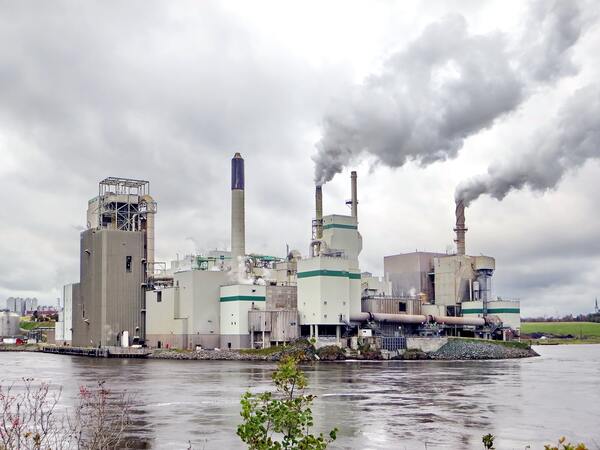
This study used hand-collected Greenhouse gas (GHG) emissions data from the Environmental Protection Agency (EPA) and aimed to understand the determinants and incentives of GHG emissions reduction. It explored how companies’ financials, Chief Executive Officer (CEO) compensation, and corporate governance affected GHG emissions. Results showed that companies reporting GHG emissions were wide-spread among the 48 industries represented by two-digit Standard Industrial Classification (SIC) codes.

Read More...

Impact of simple vs complex carbohydrates under time constraint before anaerobic and aerobic exercise

Cui et al. | Oct 13, 2022

Impact of simple vs complex carbohydrates under time constraint before anaerobic and aerobic exercise

The goal of this study was to determine the if carbohydrates or complex carbohydrates are better for athlete's performance in anaerobic and aerobic exercise. Ultimately, we found that, when one’s schedule only allows for 30 minutes to eat before a workout, the best pre-workout meal for optimal glycogen levels to prompt muscle hypertrophy, strength increases, and better endurance is one that is simple carbohydrate-heavy.

Read More...

Covalently Entrapping Catalase into Calcium Alginate Worm Pieces Using EDC Carbodiimide as a Crosslinker.

Suresh et al. | Mar 31, 2019

Covalently Entrapping Catalase into Calcium Alginate Worm Pieces Using EDC Carbodiimide as a Crosslinker.

Catalase is a biocatalyst used to break down toxic hydrogen peroxide into water and oxygen in industries such as cheese and textiles. Improving the efficiency of catalase would help us to make some industrial products, such as cheese, less expensively. The best way to maintain catalase’s conformation, and thus enhance its activity, is to immobilize it. The primary goal of this study was to find a new way of immobilizing catalase.

Read More...

Utilizing a Wastewater-Based Medium for Engineered Saccharomyces cerevisiae for the Biological Production of Fatty Alcohols and Carboxylic Acids to Replace Petrochemicals

Ramesh et al. | Oct 02, 2019

Utilizing a Wastewater-Based Medium for Engineered <em>Saccharomyces cerevisiae</em> for the Biological Production of Fatty Alcohols and Carboxylic Acids to Replace Petrochemicals

Saccharomyces cerevisiae yeast is used to produce bioethanol, an alternative to fossil fuels. In this study, authors take advantage of this well studied yeast by genetically engineering them to increase fatty acid biosynthesis and culturing in a cost-effective wastewater based medium; potentially providing a sustainable alternative to petrochemicals.

Read More...

Investigating the inhibition of catabolic enzymes for implications in cardiovascular diseases and diabetes

Gandhi et al. | Aug 25, 2024

Investigating the inhibition of catabolic enzymes for implications in cardiovascular diseases and diabetes
Image credit: The authors

Enzymes that metabolize carbohydrates and lipids play a key role in our health, including global health challenges like cardiovascular diseases and diabetes. To learn more about these important enzymes, Gandhi and Gandhi test whether various natural substances (ginger, Aloe vera, lemon, and mint leaves) affect the activity of α-amylase and lipase enzymes.

Read More...