In this study, potential physiological effects of Red 40 food dye, found in many different food products, are tested using Daphnia magna, a small freshwater crustacean.
Read More...The impact of Red 40 artificial food dye on the heart rate of Daphnia magna
In this study, potential physiological effects of Red 40 food dye, found in many different food products, are tested using Daphnia magna, a small freshwater crustacean.
Read More...Machine Learning Algorithm Using Logistic Regression and an Artificial Neural Network (ANN) for Early Stage Detection of Parkinson’s Disease
Despite the prevalence of PD, diagnosing PD is expensive, requires specialized testing, and is often inaccurate. Moreover, diagnosis is often made late in the disease course when treatments are less effective. Using existing voice data from patients with PD and healthy controls, the authors created and trained two different algorithms: one using logistic regression and another employing an artificial neural network (ANN).
Read More...The Clinical Accuracy of Non-Invasive Glucose Monitoring for ex vivo Artificial Pancreas
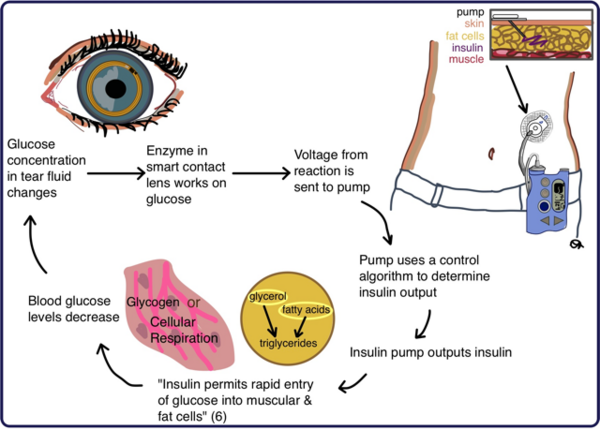
Diabetes is a serious worldwide epidemic that affects a growing portion of the population. While the most common method for testing blood glucose levels involves finger pricking, it is painful and inconvenient for patients. The authors test a non-invasive method to measure glucose levels from diabetic patients, and investigate whether the method is clinically accurate and universally applicable.
Read More...The effects of cochineal and Allura Red AC dyes on Escherichia coli and Bacillus coagulans growth
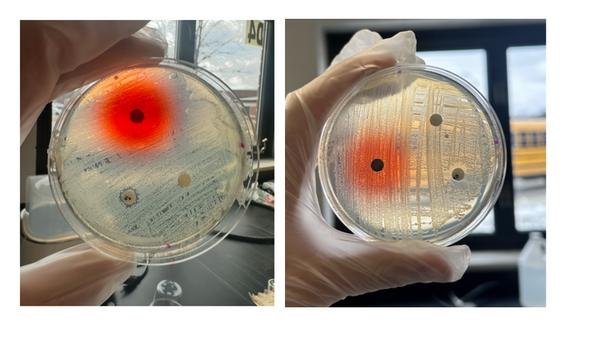
Here the authors aimed to compare the effects of artificial Allura Red AC dye and natural cochineal dye on the growth of Escherichia coli and Bacillus coagulans bacteria. Their research found that only Allura Red AC dye significantly affected bacterial growth, specifically amplifying E. coli growth. Based on their results, they suggest that Allura Red AC dye may increase the growth of E. coli bacteria within the human gut.
Read More...The most efficient position of magnets
Here, the authors investigated the most efficient way to position magnets to hold the most pieces of paper on the surface of a refrigerator. They used a regression model along with an artificial neural network to identify the most efficient positions of four magnets to be at the vertices of a rectangle.
Read More...Durability of the Continuous Subcutaneous Insulin Infusion (CSII) Patch Adhesive
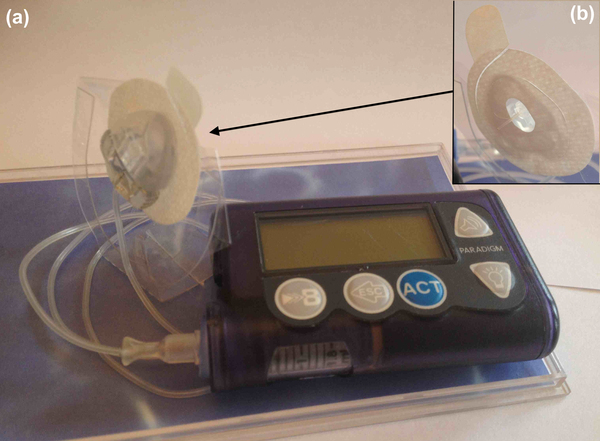
Insulin infusion patches are a common way for diabetics to receive medication. The durability of two different patch adhesives was compared on artificial skin with and without artificial sweat.
Read More...Comparing Suturing And Stapling In Coronary Bypass Grafting Anastomosis
Coronary artery bypass grafts are a common technique to treat coronary heart disease. The authors compared the efficacy of suturing and stapling techniques using an artificial heart pump and silicone tubing and found that suturing, while more time and skill intensive, held pressure in the tubing better than stapling.
Read More...Analysis of Patterns in the Harmonics of a String with Artificially Enforced Nodes
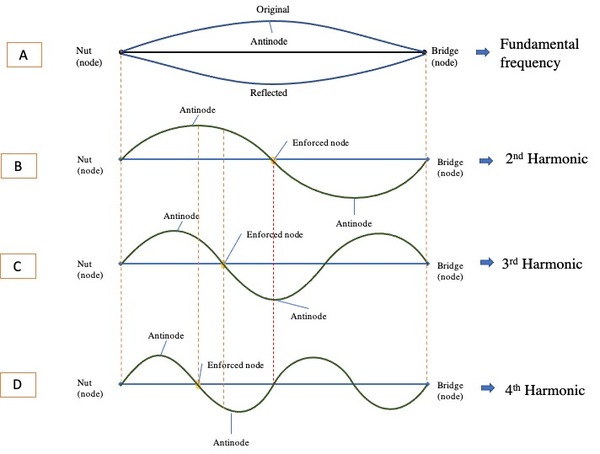
This study examines the higher harmonics in an oscillating string by analyzing the sound produced by a guitar with a spectrum analyzer. The authors mathematically hypothesized that the higher harmonics in the series of the directly excited 2nd harmonic contain the alternate frequencies of the fundamental series, the higher harmonics of the directly excited 3rd harmonic series contain every third frequency of fundamental series, and so on. To test the hypotheses, they enforced artificial nodes to excite the 2nd, 3rd, and 4th harmonics directly, and analyzed the resulting spectrum to verify the mathematical hypothesis. The data analysis corroborates both hypotheses.
Read More...Using neural networks to detect and categorize sounds
The authors test different machine learning algorithms to remove background noise from audio to help people with hearing loss differentiate between important sounds and distracting noise.
Read More...Effects of Quorum Sensing and Media on the Bioluminescent Bacteria Vibrio fischeri
Vibrio fischeri is an amazing species of bacteria that lives symbiotically in the light organ of luminescent bobtail squid. In this study, authors study the strength and optimal conditions for V. fischeri light production, and assess whether this luminescence could be a natural light source comparable to manmade lighting.
Read More...