Browse Articles

Investigating toxicity and antimicrobial properties of silver nanoparticles in Escherichia coli and Drosophila melanogaster

Ghosh et al. | Dec 01, 2025

Investigating toxicity and antimicrobial properties of silver nanoparticles in <em>Escherichia coli</em> and <em>Drosophila melanogaster</em>
Image credit: Ghosh and Hendricks

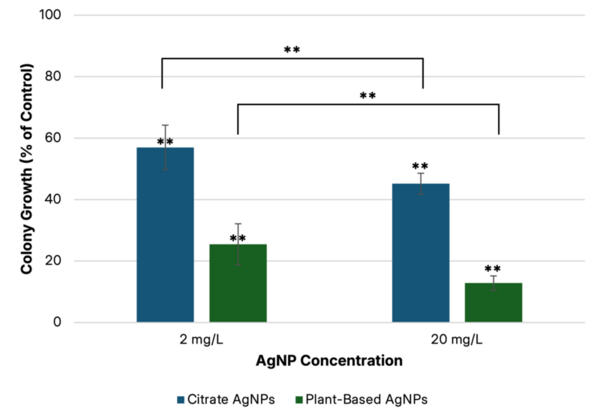
This paper looks at the antibacterial and toxic effects of silver nanoparticles (AgNPs) on Escherichia coli bacteria and Drosophila melanogaster fruit flies. They modified the AgNPs size, concentration, and surface coating to determine the effects on each of the organisms. For both organisms, increased AgNP concentration demonstrated increased toxicity but particle size and surface coating had opposing effects.

Read More...

Investigating auxin import and export proteins in Chlorella vulgaris

Wang et al. | Apr 19, 2025

Investigating auxin import and export proteins in <i>Chlorella vulgaris</i>

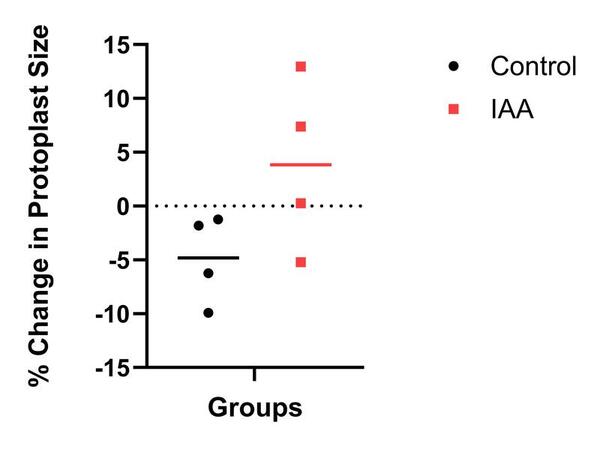
This study explores auxin signaling in Chlorella vulgaris, a green alga with potential for sustainable biofuel and food production. Evidence from protoplast swelling experiments suggests that C. vulgaris secretes auxin and possesses auxin import proteins, highlighting previously uncharacterized signaling pathways. These findings could support more efficient cultivation and resource extraction strategies.

Read More...

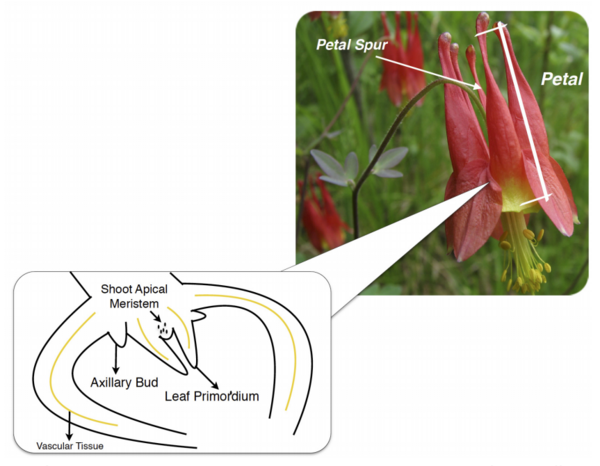
Investigating KNOX Gene Expression in Aquilegia Petal Spur Development

Hossain et al. | Feb 03, 2014

Investigating KNOX Gene Expression in Aquilegia Petal Spur Development

Plants, and all other multi-cellular organisms, develop through the coordinated action of many sets of genes. The authors here investigate the genes, in a class named KNOX, potentially responsible for organizing a certain part of Aquilegia (columbine) flowers called petal spurs. Through the technique Reverse Transcription-Polymerase Chain Reaction (RT-PCR), they find that certain KNOX genes are expressed non-uniformly in petal spurs, suggesting that they may be involved, perhaps in a cell-specific manner. This research will help guide future efforts toward understanding how many beautiful flowers develop their unique shapes.

Read More...