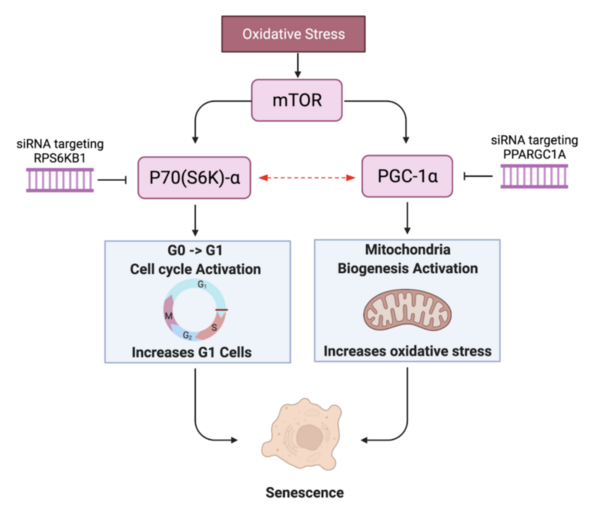
Cellular senescence plays a key role in aging cells and is attributed to a number of disease and pathology. These authors find that genetic editing of both RPS6KB1 and PPARGC1A revitalizes a human skin fibroblast cell line.
Read More...Innovative Treatment for Reducing Senescence and Revitalizing Aging Cells through Gene Silencing
Cellular senescence plays a key role in aging cells and is attributed to a number of disease and pathology. These authors find that genetic editing of both RPS6KB1 and PPARGC1A revitalizes a human skin fibroblast cell line.
Read More...The role of xpa-1 and him-1 in UV protection of Caenorhabditis elegans
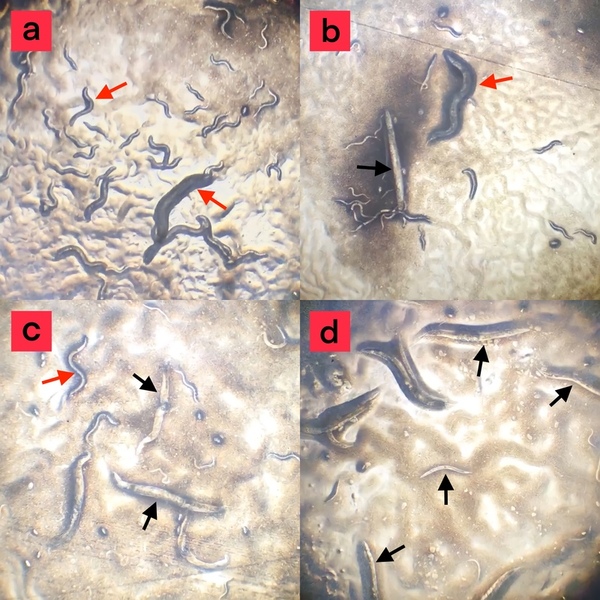
Caenorhabditis elegans xpa-1 and him-1 are orthologs of human XPA and human SMC1A, respectively. Mutations in the XPA are correlated with Xeroderma pigmentosum, a condition that induces hypersensitivity to ultraviolet (UV) radiation. Alternatively, SMC1A mutations may lead to Cornelia de Lange Syndrome, a multi-organ disorder that makes patients more sensitive to UVinduced DNA damage. Both C. elegans genes have been found to be involved in protection against UV radiation, but their combined effects have not been tested when they are both knocked down. The authors hypothesized that because these genes are involved in separate pathways, the simultaneous knockdown of both of these genes using RNA interference (RNAi) in C. elegans will cause them to become more sensitive to UV radiation than either of them knocked down individually. UV protection was measured via the percent survival of C. elegans post 365 nm and 5.4x10⁻¹⁹ joules of UV radiation. The double xpa-1/him-1 RNAi knockdown showed a significantly reduced percent survival after 15 and 30 minutes of UV radiation relative to wild-type and xpa-1 and him-1 single knockdowns. These measurements were consistent with their hypothesis and demonstrated that xpa-1 and him-1 genes play distinct roles in resistance against UV stress in C. elegans. This result raises the possibility that the xpa-1/him-1 double knockdown could be useful as an animal model for studying the human disease Xeroderma pigmentosum and Cornelia de Lange Syndrome.
Read More...Predicting asthma-related emergency department visits and hospitalizations with machine learning techniques

Seeking to investigate the effects of ambient pollutants on human respiratory health, here the authors used machine learning to examine asthma in Lost Angeles County, an area with substantial pollution. By using machine learning models and classification techniques, the authors identified that nitrogen dioxide and ozone levels were significantly correlated with asthma hospitalizations. Based on an identified seasonal surge in asthma hospitalizations, the authors suggest future directions to improve machine learning modeling to investigate these relationships.
Read More...Impact of daf-25 and daf-11 Mutations on Olfactory Function in C. elegans
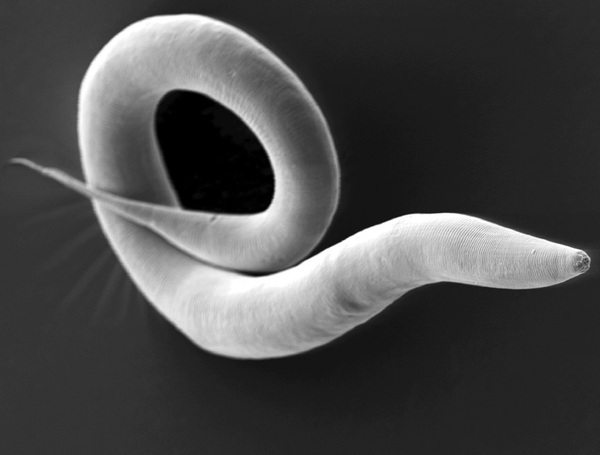
Cilia are little hair-like protrusions on many cells in the human body, including those lining the trachea where they play a role in clearing our respiratory tract of mucous and other irritants. Genetic mutations that impair ciliary function have serious consequences on our well-being making it important to understand how ciliary function is regulated. By using a simple organism, such as the worm C. elegans that use cilia to move, the authors explore the effect of certain genetic mutations on the cilia of the worms by measuring their ability to move towards or away from certain odorants.
Read More...The Cilium- and Centrosome-Associated Protein CCDC11 Is Required for Cytokinesis via Midbody Recruitment of the ESCRT- III Membrane Scission Complex Subunit CHMP2A
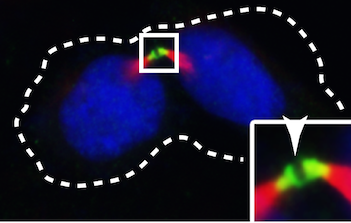
In order for cells to successfully multiply, a number of proteins are needed to correctly coordinate the replication and division process. In this study, students use fluorescence microscopy and molecular methods to study CCDC11, a protein critical in the formation of cilia. Interestingly, they uncover a new role for CCDC11, critical in the cell division across multiple human cell lines.
Read More...Bacteroides thetaiotaomicron Growth Numbers Are Unchanged in the Presence of Yogurt
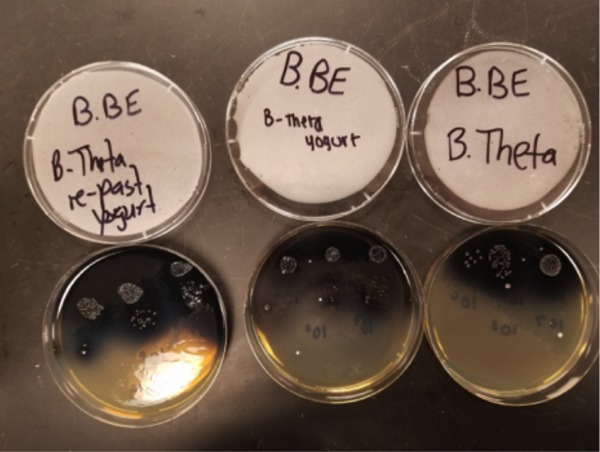
Disruptions to the microbiome, specifically the imbalance in the two major phyla, the Firmicutes and the Bacteroidetes, have been linked to the development of obesity. This study explored whether or not Fage plain total 0% Greek yogurt, which contains live and active bacterial cultures belonging to the Firmicute phylum, could decrease the numbers of Bacteroides thetaiotaomicron, an organism found in the human gut that belongs to the Bacteroidetes phylum.
Read More...The Emergence of Tetracycline Resistance in Rumen Bacteria
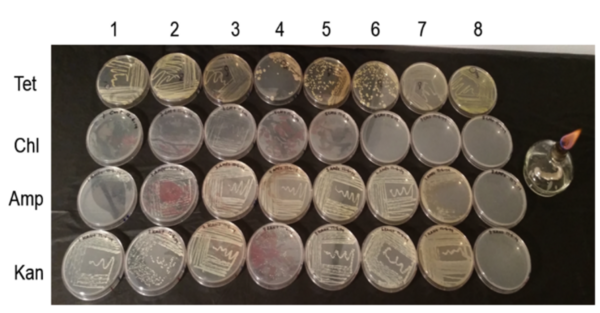
The emergence of antibiotic-resistant pathogenic bacteria is a major concern for human health, rendering some antibiotics ineffective in treating diseases. The authors of this study tested the hypothesis that exposing rumen bacteria to tetracycline will gradually lead to the development of tetracycline-resistant bacteria, some of which will develop multidrug resistance.
Read More...Ramifications of natural and artificial sweeteners on the gastrointestinal system
_resized.jpg)
This study aimed to determine whether artificial sweeteners are harmful to the human microbiome by investigating two different bacteria found to be advantageous to the human gut, Escherichia coli and Bacillus coagulans. Results showed dramatic reduction in bacterial growth for agar plates containing two artificial sweeteners in comparison to two natural sweeteners. This led to the conclusion that both artificial sweeteners inhibit the growth of the two bacteria and warrants further study to determine if zero-sugar sweeteners may be worse for the human gut than natural sugar itself.
Read More...Investigating the Role of the Novel ESCRT-III Recruitment Factor CCDC11 in HIV Budding: A Potential Target for Antiviral Therapy
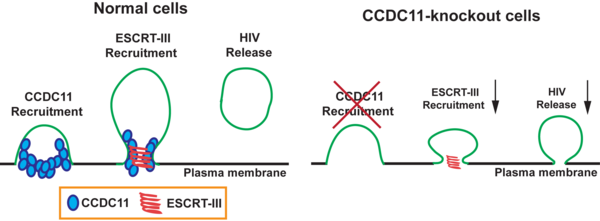
Acquired immunodeficiency syndrome (AIDS) is a life-threatening condition caused by the human immunodeficiency virus (HIV). In this work, Takemaru et al explored the role of Coiled-Coil Domain-Containing 11 (CCDC11) in HIV-1 budding. Their results suggest that CCDC11 is critical for efficient HIV-1 budding, potentially indicating CCDC11 a viable target for antiviral therapeutics without major side effects.
Read More...Mining social media posts: An alternative approach to understanding home health care workers’ experiences

This study developed an effective method for extracting valuable information from social media data and employed computer-assisted human coding alongside the AI-powered tool to analyze social media posts. The findings provide a deep understanding of the major challenges that home health care workers are experiencing and offer important implications regarding how to improve home healthcare workers' well-being, and provide suggestions on optimizing the home health care service experience.
Read More...