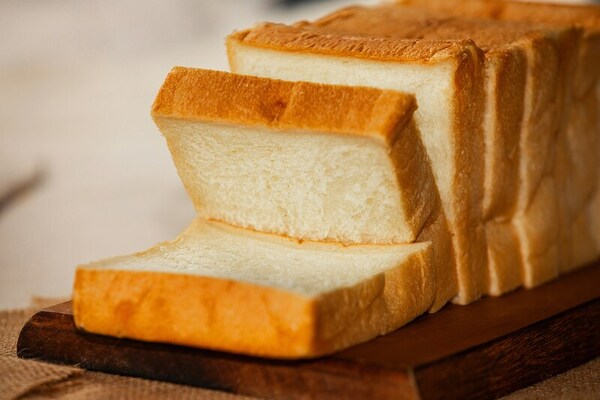
The authors studied the effect of potassium bromate, a common food additive, to cell viability.
Read More...The effects of potassium bromate on the apoptosis and survivability of human cell lines
The authors studied the effect of potassium bromate, a common food additive, to cell viability.
Read More...Ethanol levels in foods ensuing culinary preparation
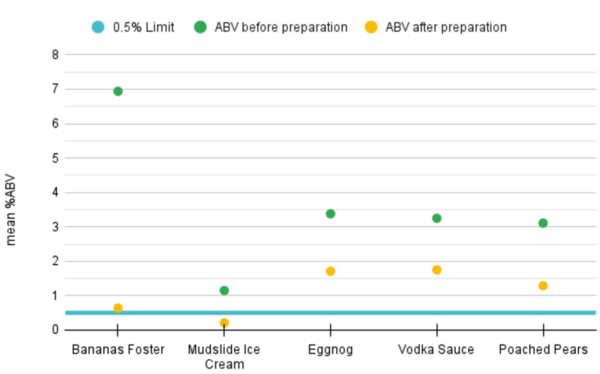
The authors investigated alcohol content of foods during preparation and when ready to serve to determine how much alcohol remained in the food.
Read More...Longer Exposure to 2% India Ink Increases Average Number of Vacuoles in Tetrahymena pyriformis
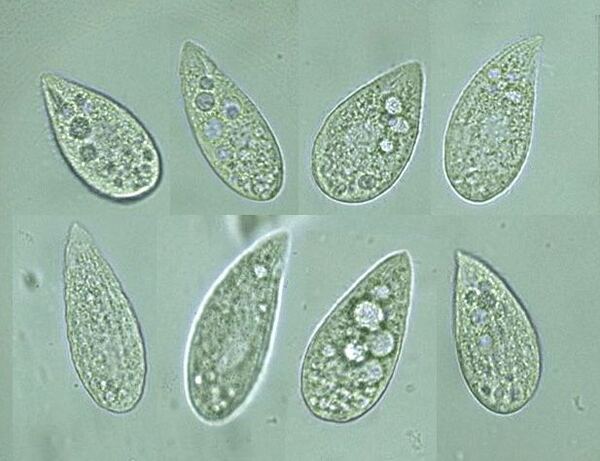
Phagocytes feed by forming food vacuoles. In this article the authors investigate the extent that exposure of non-nutritional food, such as India Ink, to Tetrahymena pyriformis affects the number of vacuole formation. These studies provide insight to how organisms budget their energy and metabolic processes during an energy shortage.
Read More...Correlates of Sugar Consumption Among High School Students and Faculty
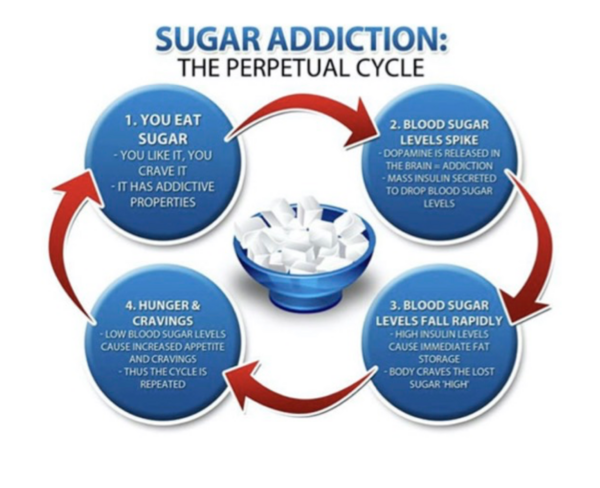
The availability, portion sizes, and consumption of highly palatable food has been linked adverse health outcomes. McBurnett and O’Donnell sought to assess the relationship between reward-based eating drive, consumption, cravings, and knowledge of the effects of sugary foods. In this study population, reward-based eating drive was related to both consumption and cravings. Further, for females, the knowledge of sugar’s effects was significantly and inversely associated with its consumption.
Read More...Can essential oils be allelopathic to Lolium multiforum without harming Solanum lycopersicum?

Seeking to investigate eco-friendly biological methods to control weeds and enhance food crop yields, here the authors considered the effects of three essential oils on seed germination and radicle length of both a weed and a common crop. They found that treatment with turmeric oil had phytotoxic potential, leading to a reduction in both seed germination and radicle length of the weed. In contrast, ginger oil possessed allelopathic properties towards both. The authors suggest that essential oils could be used as eco-friendly bio-herbicides.
Read More...Spider Density Shows Weak Relationship with Vegetation Density
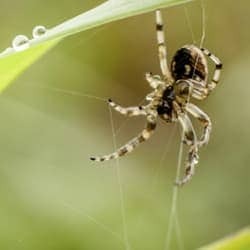
Evidence supports that spiders have many ecological benefits including insect control and predation in the food chain. In this study the authors investigate that whether the percent of vegetation coverage and spider density are correlated. They determine that despite the trend there is no statistically significant correlation.
Read More...A juxtaposition of the effects of natural and chemical fertilizers on Ocimum basilicum
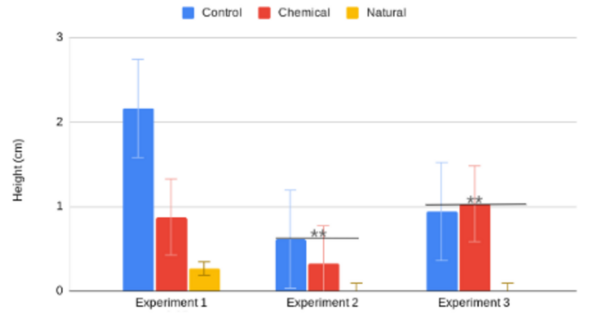
Agricultural fertilizer application is a key innovation in providing enough food to feed the world. Fertilizers come in various types and farmers must choose which fertilizer is the best for their applications. To learn more about the effectiveness of various fertilizers, Wilson and Rasmus studied the effects of natural and chemical fertilizers on growth of basil plants.
Read More...Alloferon improves the growth performance and developmental time of mealworms (Tenebrio molitor)
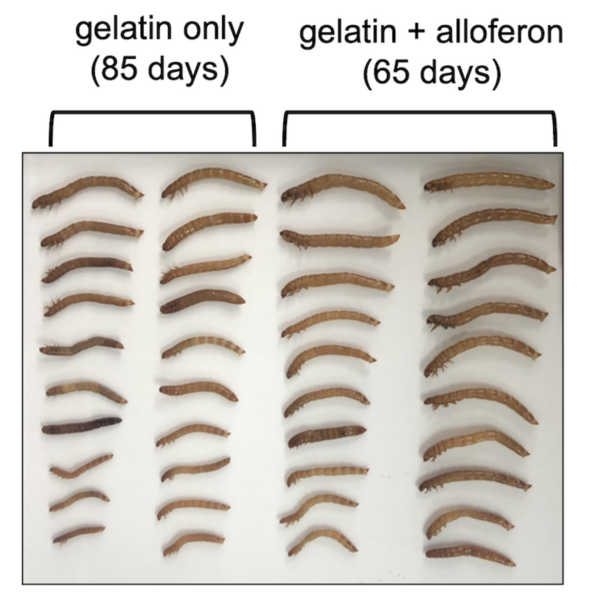
Mealworms (Tenebrio molitor) are important food sources for reptiles, birds, and other organisms, as well as for humans. However, the slow growth and low survival rate of mealworms cause problems for mass production. Since alloferon, a synthetic peptide, showed long-term immunological effects on mealworms, we hypothesized that alloferon would function as a growth promoter to maximize mealworm production. We discovered that the overall weight of the alloferon-containing gelatin diet group was 39.5-90% heavier, and the development time of the experimental group was shortened up to 20.6-39.6% than the control group.
Read More...A Crossover Study Comparing the Effect of a Processed vs. Unprocessed Diet on the Spatial Learning Ability of Zebrafish
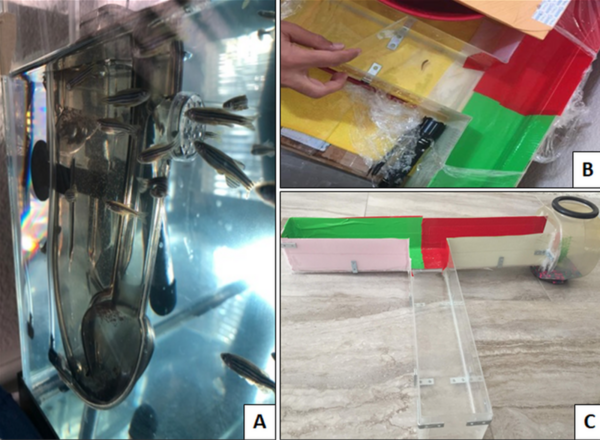
The authors compared the short-term effects of processed versus unprocessed food on spatial learning and survival in zebrafish, given the large public concern regarding processed foods. By randomly assigning zebrafish to a diet of brine shrimp flakes (processed) or live brine shrimp (unprocessed), the authors show while there is no immediate effect on a fish's decision process between the two diets, there are significant correlations between improved learning and stress response with the unprocessed diet.
Read More...The role of Gymnema sylvestre tea in modulating the perception of sweetness

This study investigates the ability of Gymnema sylvestre tea to acutely suppress sweet taste perception across various food groups. Our findings demonstrate how this natural botanical can reduce sugar cravings, offering a potential complementary strategy for managing dietary intake in type 2 diabetes.
Read More...