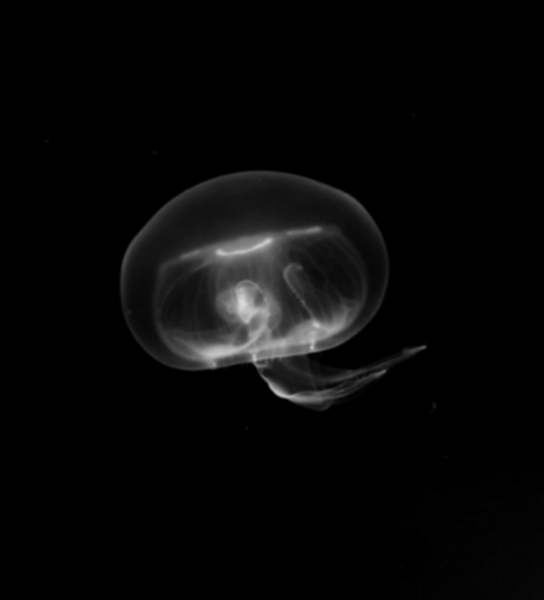
The authors studied the chemoreception of moon jellyfish in response to food, and developed an AI tool to identify track and quantify the pulsation of swimming jellyfish.
Read More...Chemoreception in Aurelia aurita studied by AI-enhanced image analysis
The authors studied the chemoreception of moon jellyfish in response to food, and developed an AI tool to identify track and quantify the pulsation of swimming jellyfish.
Read More...Investigating the anticancer effects of Uvularia perfoliata
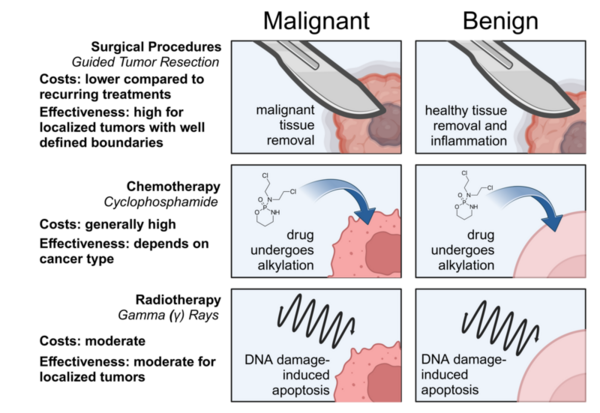
This paper investigates the potential anticancer properties of Uvularia perfoliata by testing its effects on the viability of uveal melanoma cells.
Read More...Depression detection in social media text: leveraging machine learning for effective screening
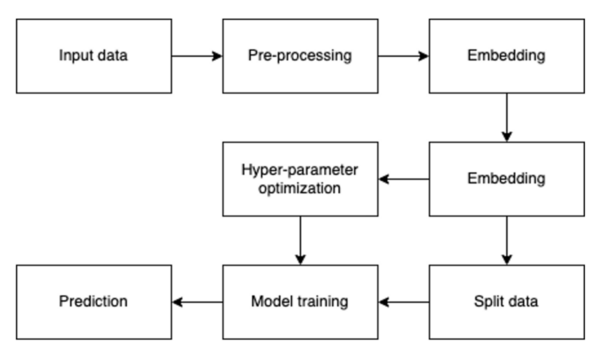
Depression affects millions globally, yet identifying symptoms remains challenging. This study explored detecting depression-related patterns in social media texts using natural language processing and machine learning algorithms, including decision trees and random forests. Our findings suggest that analyzing online text activity can serve as a viable method for screening mental disorders, potentially improving diagnosis accuracy by incorporating both physical and psychological indicators.
Read More...Evaluating the clinical applicability of neural networks for meningioma tumor segmentation on 3D MRI
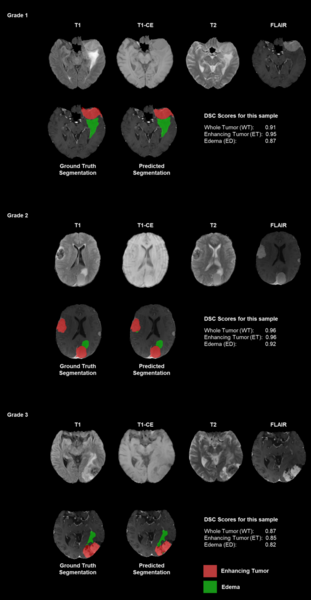
Authors emphasize the challenges of manual tumor segmentation and the potential of deep learning models to enhance accuracy by automatically analyzing MRI scans.
Read More...Copper nanoparticle synthesis using Picea glauca ‘Conica’
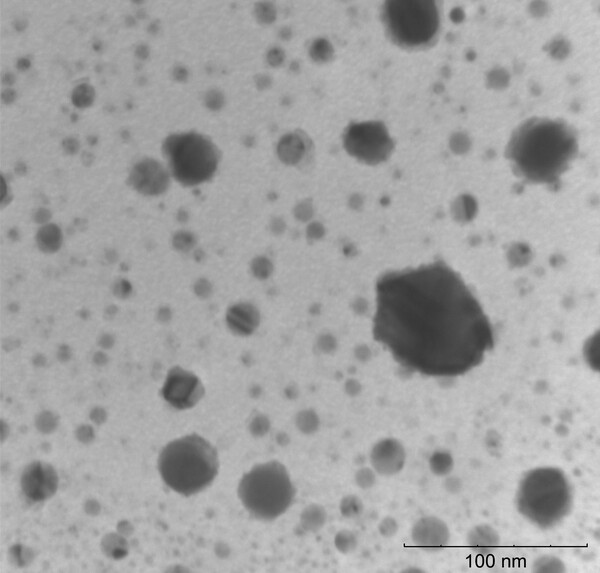
The authors propose a method to recycle Christmas tree needles into a non-toxic reducing agent for synthesizing copper nanoparticles.
Read More...Hybrid Quantum-Classical Generative Adversarial Network for synthesizing chemically feasible molecules
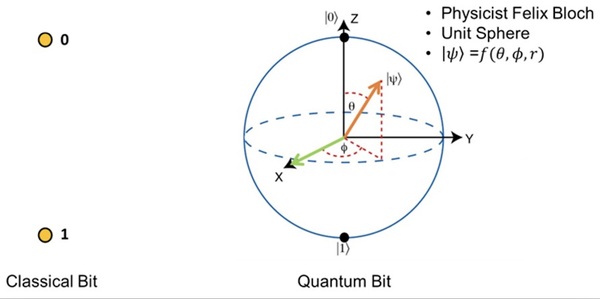
Current drug discovery processes can cost billions of dollars and usually take five to ten years. People have been researching and implementing various computational approaches to search for molecules and compounds from the chemical space, which can be on the order of 1060 molecules. One solution involves deep generative models, which are artificial intelligence models that learn from nonlinear data by modeling the probability distribution of chemical structures and creating similar data points from the trends it identifies. Aiming for faster runtime and greater robustness when analyzing high-dimensional data, we designed and implemented a Hybrid Quantum-Classical Generative Adversarial Network (QGAN) to synthesize molecules.
Read More...An efficient approach to automated geometry diagram parsing

Here, beginning from an initial interest in the possibility to use a computer to automatically solve a geometry diagram parser, the authors developed their own Fast Geometry Diagram Parser (FastGDP) that uses clustering and corner information. They compared their own methods to a more widely available, method, GeoSolver, finding their own to be an order of magnitude faster in most cases that they considered.
Read More...Design and implementation of a cryptographically secure electronic voting infrastructure
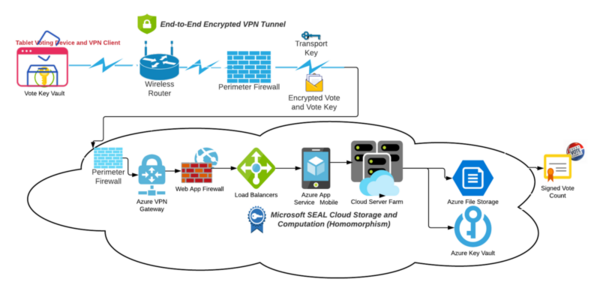
In this study, the authors present proposed cryptographic controls for election sites with the hypothesis that this will mitigate risk and remediate vulnerabilities.
Read More...A novel approach for early detection of Alzheimer’s disease using deep neural networks with magnetic resonance imaging
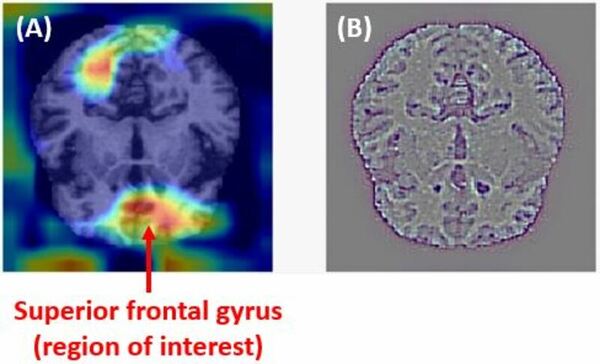
In the battle against Alzheimer's disease, early detection is critical to mitigating symptoms in patients. Here, the authors use a collection of MRI scans, layering with deep learning computer modeling, to investigate early stages of AD which can be hard to catch by human eye. Their model is successful, able to outperform previous models, and detected regions of interest in the brain for further consideration.
Read More...Exploring the Wonders of the Early Universe: Green Pea Galaxies and Light Flux
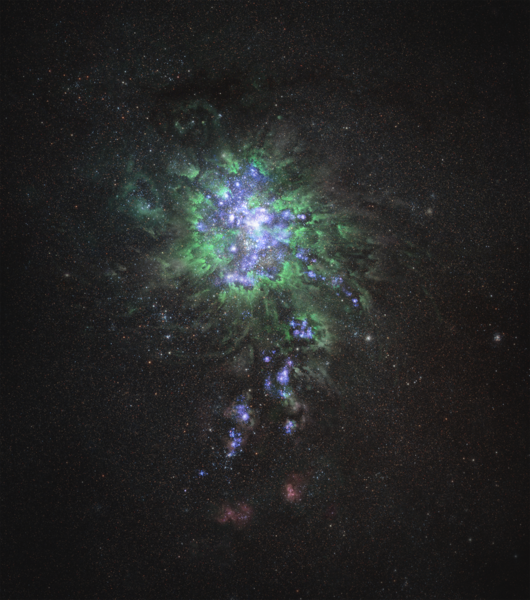
Studying other galaxies can help us understand the origins of the universe. Here, the authors study a type of galaxies known as Green Peas gaining insights that could help inform our understanding of Lyman alpha emitters, one of the first types of galaxies that existed in the early universe.
Read More...