Browse Articles

Repurposing citrus peel waste and its positive effects on our health and communities

Kim et al. | Feb 08, 2021

Repurposing citrus peel waste and its positive effects on our health and communities

Every year, more than 30% of food products go to waste. This is approximately 1.3 billion tons of food, which is equivalent to 1.3 trillion U.S. dollars. While conventional solid waste treatments and fertilization of food waste are common, citrus fruit peels require secondary applications and advanced disposal management due to their low pH values and high antimicrobial characteristics. Since citrus fruits are well-known sources of vitamin C and antioxidants, we hypothesized that their peels also contain high amounts of vitamin C and antioxidants. In our study, five common citrus peels including grapefruit, lemon, lime, orange, and tangerine, were used to determine the amounts of vitamin C and total soluble antioxidants.

Read More...

Capturing Harmful Air Pollutants Using an Electrospun Mesh Embedded with Zinc-based Nanocrystals

Doppalapudi et al. | May 12, 2020

Capturing Harmful Air Pollutants Using an Electrospun Mesh Embedded with Zinc-based Nanocrystals

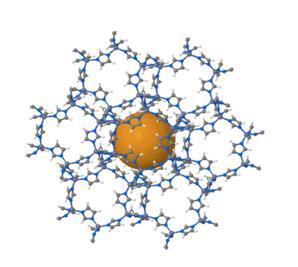
Zeolithic imidazolate framework-8 (ZIF-8) is a specific metal-organic framework that has favorable qualities for use in an air filter and is known to be capable of adsorbing particulate matter. Therefore, the objective of this experiment was to determine the effectiveness of ZIF-8 in adsorbing polar, gaseous air pollutants, specifically nitrogen dioxide and hydrogen sulfide. In order to determine effectiveness, the percent change in concentration for various gases after the application of ZIF-8 crystals was measured via Fourier-transform infrared spectroscopy (FTIR). The work highlights crystals as a potentially promising alternative or addition to current filter materials to reduce atmospheric pollution.

Read More...

The determinants and incentives of corporate greenhouse gas emission reduction

Liu et al. | Jun 04, 2021

The determinants and incentives of corporate greenhouse gas emission reduction

This study used hand-collected Greenhouse gas (GHG) emissions data from the Environmental Protection Agency (EPA) and aimed to understand the determinants and incentives of GHG emissions reduction. It explored how companies’ financials, Chief Executive Officer (CEO) compensation, and corporate governance affected GHG emissions. Results showed that companies reporting GHG emissions were wide-spread among the 48 industries represented by two-digit Standard Industrial Classification (SIC) codes.

Read More...