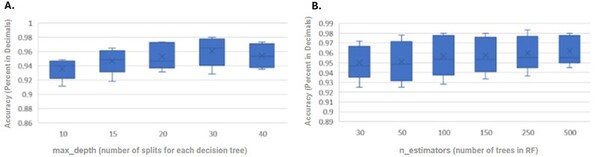
The authors use machine learning on MRI images of brain tissue to predict tumor onset as an avenue for early detection of brain cancer.
Read More...A comparative analysis of machine learning approaches to predict brain tumors using MRI
The authors use machine learning on MRI images of brain tissue to predict tumor onset as an avenue for early detection of brain cancer.
Read More...Investigation of unknown causes of uveal melanoma uncovers seven recurrent genetic mutations
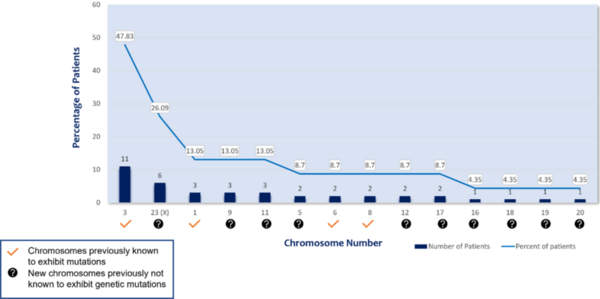
Uveal melanoma (UM) is a rare subtype of melanoma but the most frequent primary cancer of the eye in adults. The goal of this study was to research the genetic causes of UM through a comprehensive frequency analysis of base-pair mismatches in patient genomes. Results showed a total of 130 genetic mutations, including seven recurrent mutations, with most mutations occurring in chromosomes 3 and X. Recurrent mutations varied from 8.7% to 17.39% occurrence in the UM patient sample, with all mutations identified as missense. These findings suggest that UM is a recessive heterogeneous disease with selective homozygous mutations. Notably, this study has potential wider significance because the seven genes targeted by recurrent mutations are also involved in other cancers.
Read More...The utilization of Artificial Intelligence in enabling the early detection of brain tumors
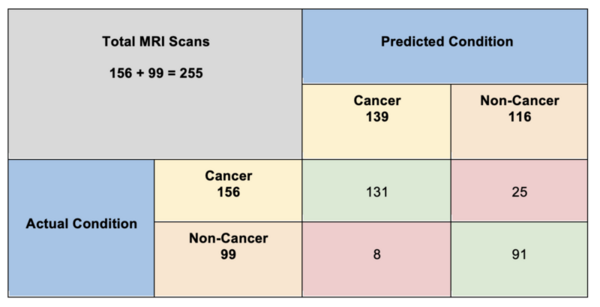
AI analysis of brain scans offers promise for helping doctors diagnose brain tumors. Haider and Drosis explore this field by developing machine learning models that classify brain scans as "cancer" or "non-cancer" diagnoses.
Read More...Governing Glioblastoma: A novel therapy to restore motor control and mitigate glioblastoma proliferation
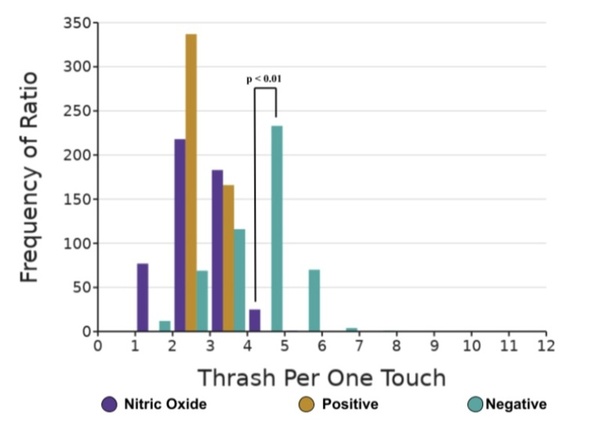
The authors looked at ways that seizures in patients with glioblastoma could be treated using C. elegans as a model system.
Read More...Formulation of novel polyherbal compound MAT20 with phytochemicals found in amla, tulsi, and moringa
With herbal plants providing an address to the adverse effects of oxidative stress found within the body, the authors of this article develop and assess a novel compound (“MAT20”) that blends three herbal plants for optimal oxidative stress relief.
Read More...Developing a Method to Remove Inorganic Arsenic from Rice with Natural Substances
In this study, the authors tested different approaches for removing arsenic from rice. Due to higher arsenic levels in water, some areas grow rice with higher levels as well. This is a health hazard and so developing methods to remove arsenic from the rice will be helpful to many. Using a rapid arsenic kit, the authors found that activated charcoal was the most effective at removing arsenic from rice.
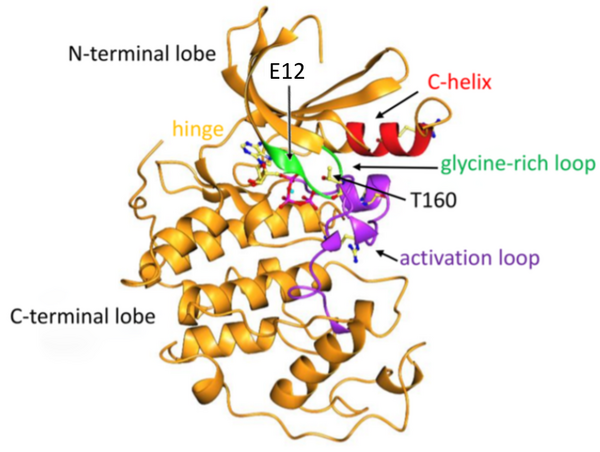
Read More...Investigating the effects of mutations of amino acids on the protein expression of CDK2 cancer gene
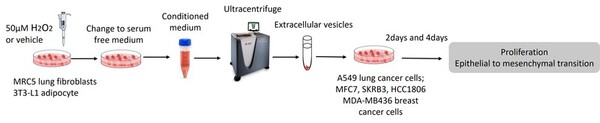
Extracellular vesicles derived from oxidatively stressed stromal cells promote cancer progression
This paper hypothesized that the tumor microenvironment mediates cancer’s response to oxidative stress by delivering extracellular vesicles to cancer cells. Breast and lung cancer cells were treated with EVs, reavealing that EVs extracted from oxidatively stressed adipocytes increased the cell proliferation of breast cancer cells. These findings present a novel way that the TME influences cancer progression.
Read More...The effects of the cancer metastasis promoting gene CD151 in E. coli
The independent effects of metastasis-promoting gene CD151 in the process of metastasis are not known. This study aimed to isolate CD151 to discover what its role in metastasis would be uninfluenced by potential interactions with other components and pathways in human cells. Results showed that CD151 significantly increased the adhesion of the cells and decreased their motility. Thus, it may be that CD151 is upregulated in cancer cells for the last step of metastasis, and it increases the chances of success of metastasis by aiding in implantation of the cancer cells. Targeting CD151 in chemotherapeutic modalities could therefore potentially slow or prevent metastasis.
Read More...siRNA-dependent KCNMB2 silencing inhibits lung cancer cell proliferation and promotes cell death
Here, seeking to better understand the genetic associations underlying non-small cell lung cancer, the authors screened hundreds of genes, identifying that KCNMB2 upregulation was significantly correlated with poor prognoses in lung cancer patients. Based on this, they used small interfering RNA to decrease the expression of KCNMB2 in A549 lung cancer cells, finding decreased cell proliferation and increased lung cancer cell death. They suggest this could lead to a new potential target for lung cancer therapies.
Read More...