Browse Articles

Attitudes towards mental health in Indians who practice yoga regularly and those who do not

Komar et al. | Jul 13, 2022

Attitudes towards mental health in Indians who practice yoga regularly and those who do not

Whether it is through implicit association or intentional practice, yoga has been known to help individuals maintain good mental health. However, many communities, such as South Asian communities, often project the stereotype that embodies neglecting topics such as mental health and considering them taboo. In this online survey-based study, the authors focused on examining whether yoga would alter individuals’ attitudes toward mental health. They hypothesized that 1) participants who regularly practiced yoga would be more familiar with the term mental health, 2) participants who practiced yoga would value their mental health more, and 3) participants who practiced yoga regularly would be more open about their mental health and be more likely to reach out for professional help if needed. They did not find a statistical significance for any of our hypotheses which suggests that yoga may not have an effect on perceptions of mental health in yoga-practicing Indian adults.

Read More...


Effects of caffeine on muscle signals measured with sEMG signals

Park et al. | Jun 20, 2022

Effects of caffeine on muscle signals measured with sEMG signals

Here, the authors used surface electromyography to measure the effects of caffeine intake on the resting activity of muscles. They found a significant increase in the measured amplitude suggesting that caffeine intake increased the number of activated muscle fibers during rest. While previous research has focused on caffeine's effect on the contraction signals of muscles, this research suggests that its effects extend to even when a muscle is at rest.

Read More...

Correlation of Prominent Intelligence Type & Coworker Relations

Rasmus et al. | Mar 29, 2022

Correlation of Prominent Intelligence Type & Coworker Relations

Ashley Moulton & Joseph Rasmus investigate 9 controversial categories of intelligence as predicted by Multiple Intelligence Theory, originally proposed in the mid-1980s. By collecting data from 56 participants, they record that there may not actually be a correlation between these categorical types when it comes to workplace atmosphere and project efficiency.

Read More...

Estimation of cytokines in PHA-activated mononuclear cells isolated from human peripheral and cord blood

Subbiah et al. | Mar 09, 2022

Estimation of cytokines in PHA-activated mononuclear cells isolated from human peripheral and cord blood

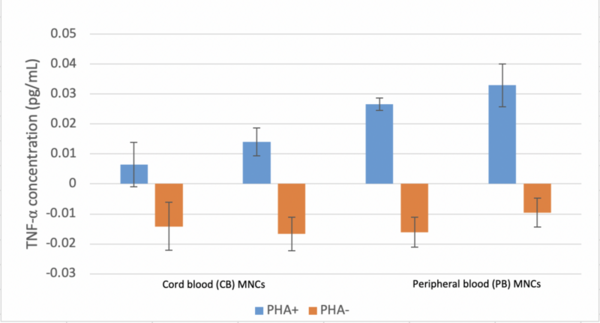
In this study, the authors investigated the time-dependent cytokine secretion ability of phyto-hemagglutinin (PHA)-activated T cells derived from human peripheral (PB) and cord blood (CB). They hypothesized that the anti-inflammatory cytokine, IL-10, and pro-inflammatory cytokine, TNFα, levels would be higher in PHA-activated T cells obtained from PB as compared to the levels obtained from CB and would decrease over time. Upon PHA-activation, the IL-10 levels were relatively high while the TNFα levels decreased, making these findings applicable in therapeutic treatments e.g., rheumatoid arthritis, psoriasis, and organ transplantation.

Read More...

Utilizing 25-Hydroxyvitamin D3 to prevent the appearance of diabetic-like phenotypes in Drosophila melanogaster

Zaverchand et al. | Sep 20, 2021

Utilizing 25-Hydroxyvitamin D3 to prevent the appearance of diabetic-like phenotypes in Drosophila melanogaster

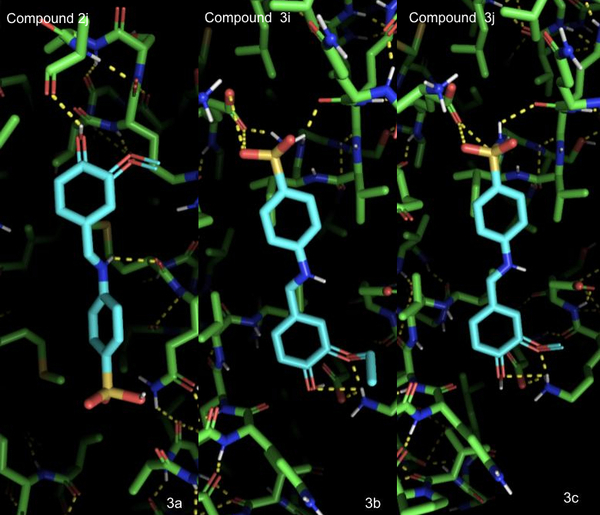
This study aimed to assess the role of 25-hydroxyvitamin D3 solution, at varying concentrations, in protecting vertical transmission of diabetic-like phenotypes. We hypothesized that the highest concentration of vitamin D solution (55 ng/mL) would be most effective in having a protective role. The results indicated that the hypothesis was partially supported; overall, all three concentrations of the vitamin D solution administered to the flies reared on HSDs had a protective effect, to varying extents.

Read More...

Effect of Increasing Concentrations of Cannabidiol (CBD) on Hatching, Survival and Development of Artemia salina

Rabbani et al. | Jul 27, 2020

Effect of Increasing Concentrations of Cannabidiol (CBD) on Hatching, Survival and Development of <em>Artemia salina</em>

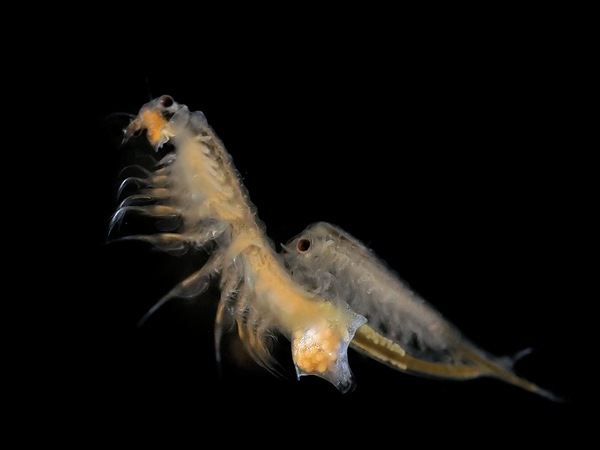
Cannabidiol, or CBD, is a widely available over the counter treatment used for various medical conditions. However, CBD exerts its effects on the endocannabinoid system, which is involved in neural maturation, and could potentially have adverse effects on brain development. Here, the impact of CBD on the development of brine shrimp (Artemia salina) was assessed. Differences in dose responses were observed.

Read More...

The Effect of Caffeine on the Regeneration of Brown Planaria (Dugesia tigrina)

Lazorik et al. | May 10, 2019

The Effect of Caffeine on the Regeneration of Brown Planaria (<em>Dugesia tigrina</em>)

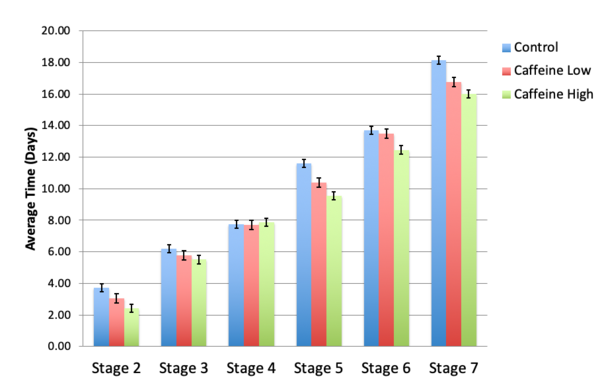
The degeneration of nerve cells in the brain can lead to pathologies such as Parkinson’s disease. It has been suggested that neurons in humans may regenerate. In this study, the effect of different doses of caffeine on regeneration was explored in the planeria model. Caffeine has been shown to enhance dopamine production, and dopamine is found in high concentrations in regenerating planeria tissues. Higher doses of caffeine accelerated planeria regeneration following decapitation, indicating a potential role for caffeine as a treatment to stimulate regeneration.

Read More...