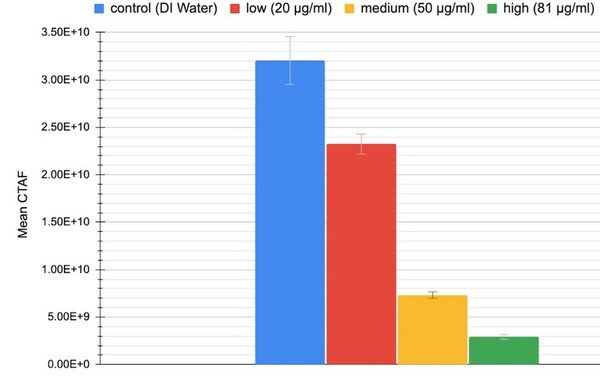
In this study the authors look at the use of Indole 3 Carbinol as a treatment for Type II Diabetes finding that it may be an effective treatment.
Read More...Indole-3 carbinol on lipid accumulation in Caenorhabditis elegans as a novel therapeutic for Type II Diabetes
In this study the authors look at the use of Indole 3 Carbinol as a treatment for Type II Diabetes finding that it may be an effective treatment.
Read More...Influence of socioeconomic status on academic performance in virtual classroom settings

In this study, the authors conduct a survey to evaluate the impact of household socioeconomic status on effectiveness of distance learning for students.
Read More...Effects of Photoperiod Alterations on Stress Response in Daphnia magna
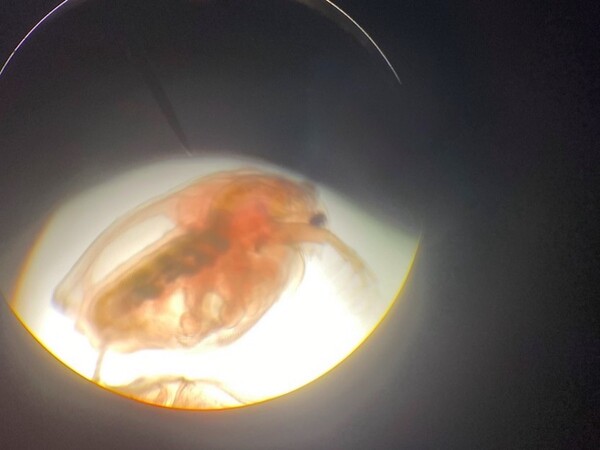
Here, seeking to better understand the effects of altered day-night cycles, the authors considered the effects of an altered photoperiod on Daphnia magna. By tracking possible stress responses, including mean heart rate, brood size, and male-to-female ratio they found that a shorter photoperiod resulted in altered mean heart rates and brood size. The authors suggest that based on these observations, it is important to consider the effects of photoperiod alterations and the stress responses of other organisms.
Read More...Effects on Learning and Memory of a Mutation in Dα7: A D. melanogaster Homolog of Alzheimer's Related Gene for nAChR α7
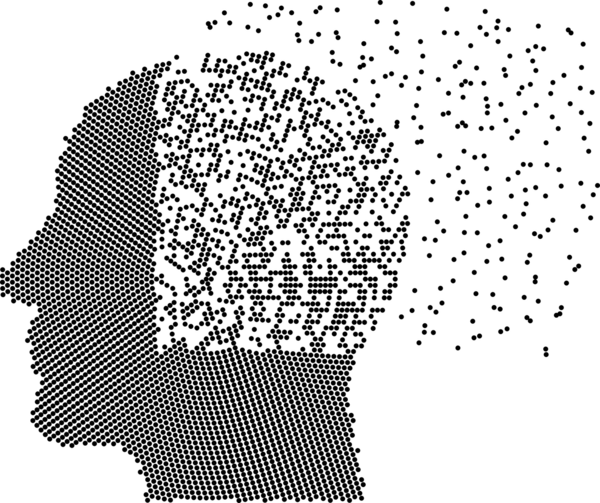
Alzheimer's disease (AD) involves the reduction of cholinergic activity due to a decrease in neuronal levels of nAChR α7. In this work, Sanyal and Cuellar-Ortiz explore the role of the nAChR α7 in learning and memory retention, using Drosophila melanogaster as a model organism. The performance of mutant flies (PΔEY6) was analyzed in locomotive and olfactory-memory retention tests in comparison to wild type (WT) flies and an Alzheimer's disease model Arc-42 (Aβ-42). Their results suggest that the lack of the D. melanogaster-nAChR causes learning, memory, and locomotion impairments, similar to those observed in Alzheimer's models Arc-42.
Read More...Electrocatalytic oxidation of furfural on Co3O4/nickel foam catalyst: performance and mechanistic study
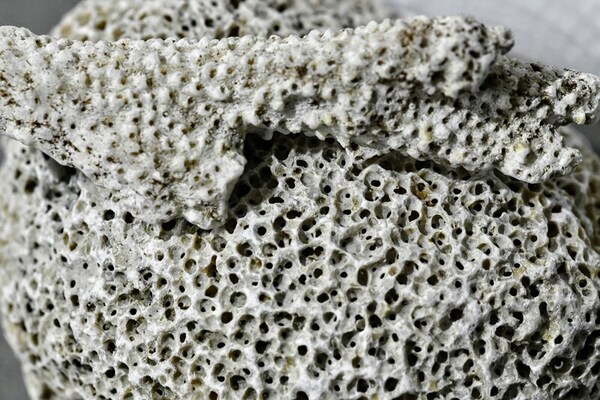
In this study, the authors hypothesized that the unique redox properties of cobalt oxide (Co3O4), combined with the conductive nature of the nickel foam (NF) substrate, synergistically enhances the catalytic performance for furfural oxidation. The study showed successful synthesis of Co3O4 nanoflowers directly grown on NF and tested their capacity to serve as a highly efficient electrocatalyst for furfural oxidation. Beyond furfural oxidation, this study also offers broader implications for sustainable chemistry by establishing design principles for efficient nucleophilic oxidation reaction catalysts, demonstrating an energy-saving alternative to conventional oxygen evolution reaction-coupled processes, and showcasing how biomass conversion can be integrated with renewable energy systems.
Read More...Impact of contamination variability on convolutional neural network accuracy in recycling classification
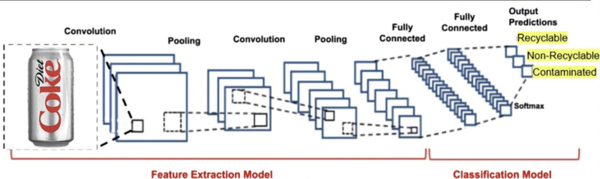
The authors looked at the ability of a convolutional neural network (CNN) to sort contaminated recycling, with varying levels of contamination. They found as contamination levels increased, the CNN faced more difficulty correctly classifying items.
Read More...Ultraviolet exposure and thermal mass variation on surface temperature responses in building materials
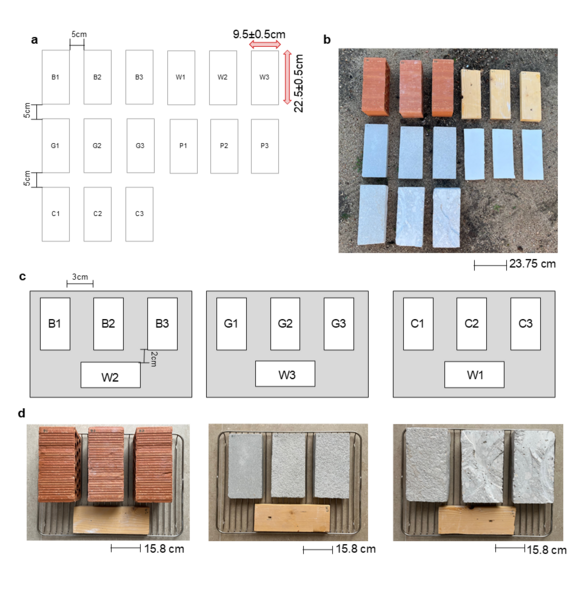
The authors studied the response of various construction materials to UV solar radiation and heat.
Read More...Impacts of childhood adversity on relationships: Expressions of affection and social connection

The authors survey adults to assess how childhood adversity may impact adult relationships and ways of giving or receiving affection.
Read More...Impact of TCERG1 SNP on gene expression and protein interactome in Huntington’s disease

The authors assess a genetic variant within a well-known interaction partner of huntingtin that has been linked to modifying the age of onset of Huntington's disease.
Read More...Training neural networks on text data to model human emotional understanding
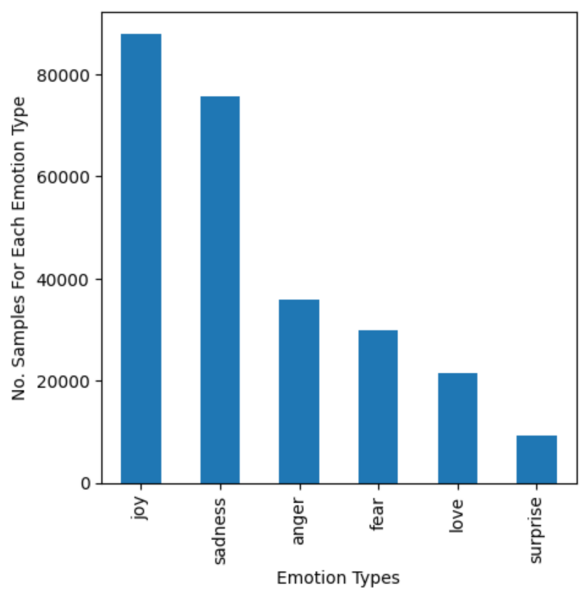
The authors train a neural network to detect text-based emotions including joy, sadness, anger, fear, love, and surprise.
Read More...