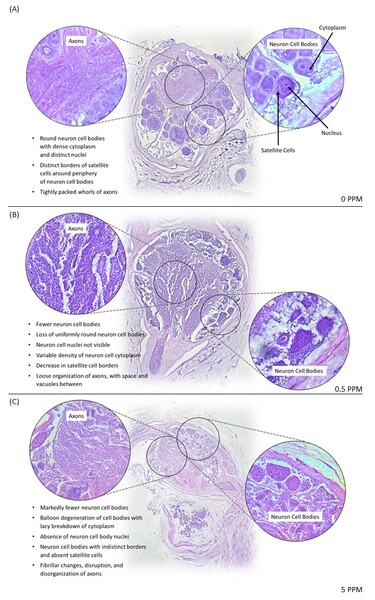
In this study, the authors test whether excess copper exposure has neurobehavioral effects on Hirudo verbana leeches.
Read More...Effects of copper sulfate exposure on the nervous system of the Hirudo verbana leech
In this study, the authors test whether excess copper exposure has neurobehavioral effects on Hirudo verbana leeches.
Read More...Synthesis of sodium alginate composite bioplastic films
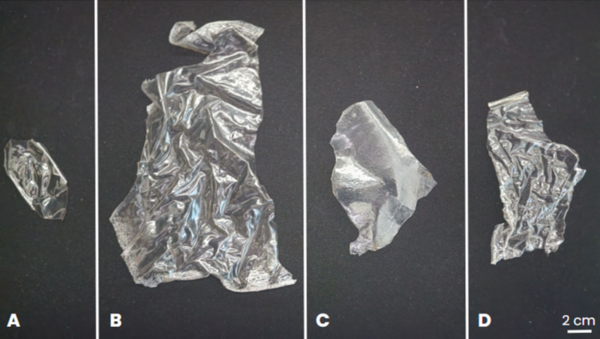
The authors looked at the development of biodegradable bioplastic and its features compared to PET packaging films. They were able to develop a biodegradable plastic with sodium alginate that dissolved in water and degrade in microbial conditions while also being transparent and flexible similar to current plastic films.
Read More...Protective effect of bromelain and pineapple extracts on UV-induced damage in human skin cells
In this study, the authors tested whether the compound bromelain extracted from pineapples could protect skin cells from UV damage.
Read More...Integration of iron oxide nanoparticles into high-density polyethylene for sustainable cup coatings
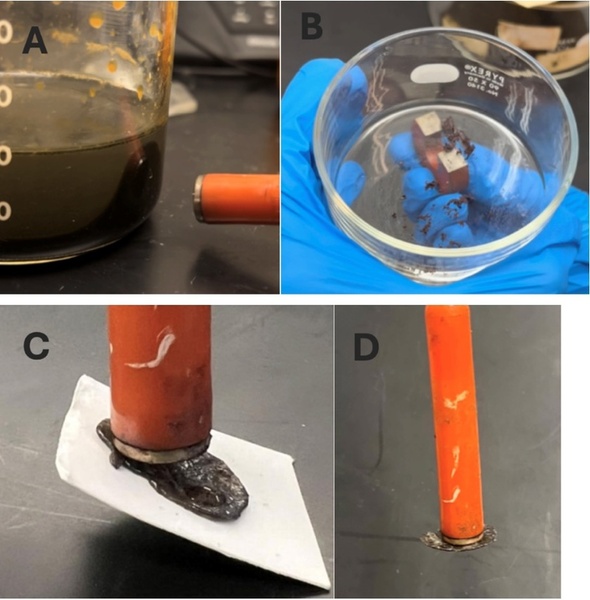
Here the authors propose integrating magnetic iron (II) oxide nanoparticles into the high-density polyethylene linings of disposable paper cups to create a waterproof, magnetically responsive composite liner. Their findings demonstrate that these nanoparticles successfully bond with the plastic layer without disrupting its structural integrity, offering a viable method to improve plastic recovery through magnetic recycling and mitigate global microplastic pollution.
Read More...An exploration of western mosquitofish as the animal component in an aquaponic farming system
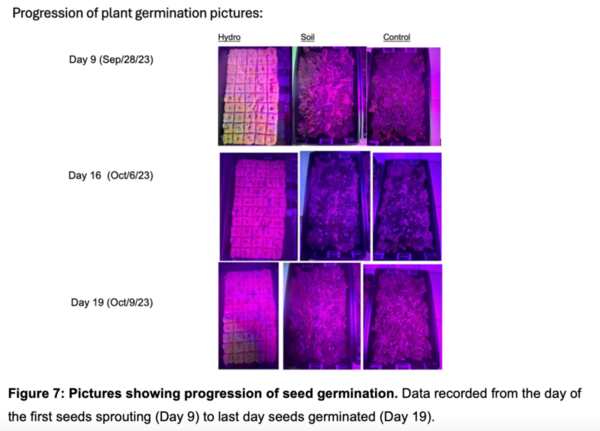
Aquaponics (the combination of aquatic plant farming with fish production) is an innovative farming practice, but the fish that are typically used, like tilapia, are expensive and space-consuming to cultivate. Medina and Alvarez explore other options test if mosquitofish are a viable option in the aquaponic cultivation of herbs and microgreens.
Read More...Enhancing marine debris identification with convolutional neural networks
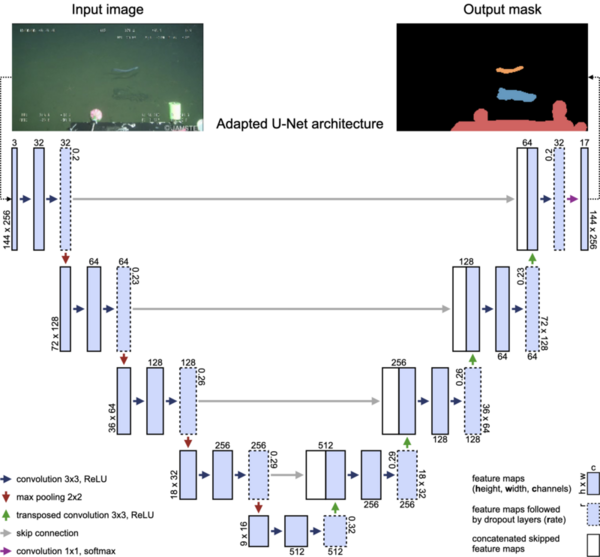
Plastic pollution in the ocean is a major global concern. Remotely Operated Vehicles (ROVs) have promise for removing debris from the ocean, but more research is needed to achieve full effectiveness of the ROV technology. Wahlig and Gonzales tackle this issue by developing a deep learning model to distinguish trash from the environment in ROV images.
Read More...Examining the Growth of Methanotrophic Bacteria Immersed in Extremely Low-Frequency Electromagnetic Fields

Scientist are investigating the use of methane-consuming bacteria to aid the growing problem of rising greenhouse gas emissions. While previous studies claim that low-frequency electromagnetic fields can accelerate the growth rate of these bacteria, Chu et al. demonstrate that this fundamental ideology is not on the same wavelength with their data.
Read More...Evaluation of Microplastics in Japanese Fish Using Visual and Chemical Dissections
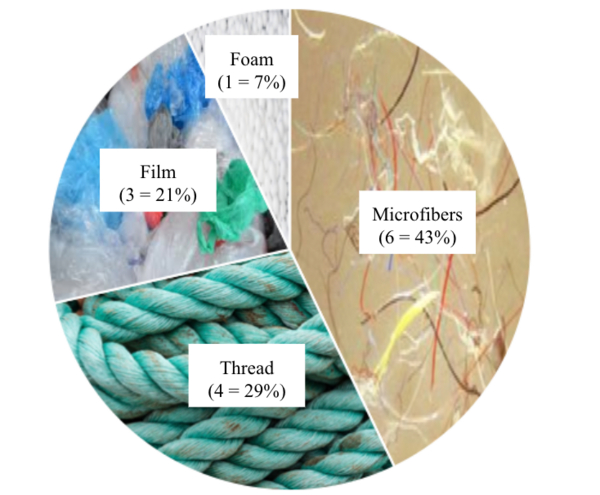
Does the overuse of plastic in Japan poses an ecological risk to marine species and their consumers? Using visual and chemical dissection, all fish in this study were found to have microplastics present in their gastrointestinal tract, including two species that are typically eaten whole in Japan. Overall, these results are concerning as previous studies have found that microplastics can carry persistent organic pollutants. It is presumed that the increasing consumption of microplastics will have negative implications on organ systems such as the liver, gut, and hormones.
Read More...Effects of Quorum Sensing and Media on the Bioluminescent Bacteria Vibrio fischeri
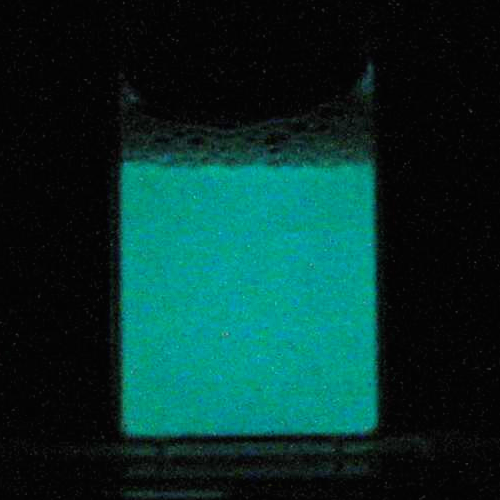
Vibrio fischeri is an amazing species of bacteria that lives symbiotically in the light organ of luminescent bobtail squid. In this study, authors study the strength and optimal conditions for V. fischeri light production, and assess whether this luminescence could be a natural light source comparable to manmade lighting.
Read More...A potential enzymatic pathway for polystyrene degradation using saliva of greater wax moth Galleria mellonella
Investigation of the potential of waxworm saliva, the secretion of Galleria mellonella, for plastic degradation.
Read More...