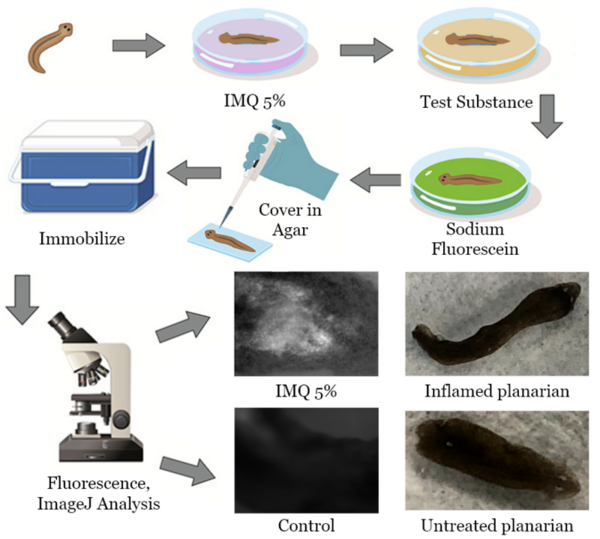
The authors looked at whether traditional Chinese medicine remedies that target the lungs and liver would reduce inflammation in a planaria model. They found that the two active compounds they tested were able to decrease induced inflammation by 97-98%.
Read More...Browse Articles
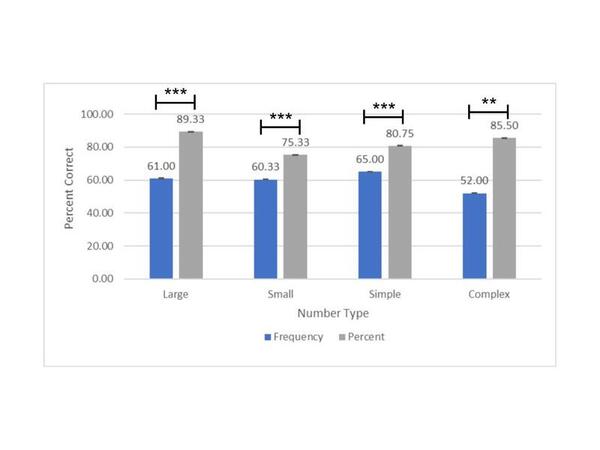
Percentages are a better format for conveying medical risk than frequencies
It can be challenging for the general public to understand data on medical risk. Weseley-Jones and Mordechai tackle this issue by conducting a survey to assess people's skill and comfort with understanding medical risk information in percentage and frequency formats.
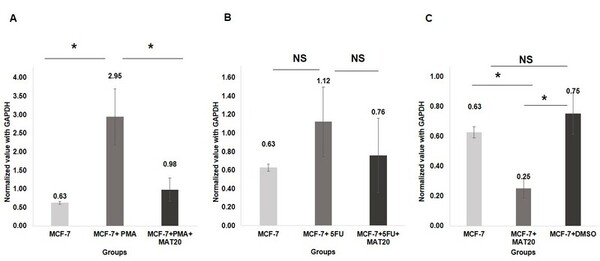
Read More...Anti-inflammatory and pro-apoptotic properties of the polyherbal drug, MAT20, in MCF-7 cells
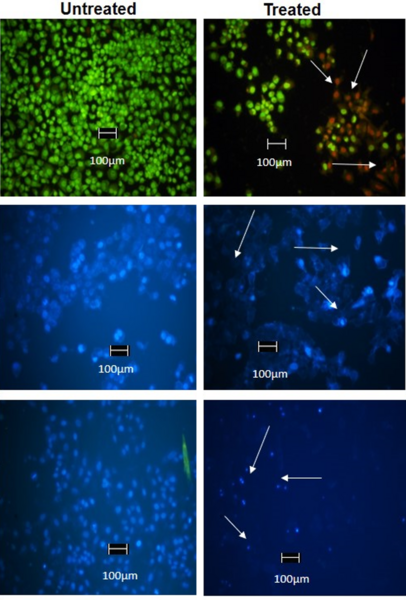
The authors test potential anti-inflammatory and pro-apoptotic effects of a polyherbal extract formulation on cultured breast cancer cells.
Read More...Cytotoxicity evaluation of Amaranthus extracts compared with AS20 on MCF-7 cancer cells
The authors test the antiproliferative and apoptosis-inducing properties of an extract created from a traditional Indian medicinal plant of the Amaranthus genus.
Read More...Tomato disease identification with shallow convolutional neural networks
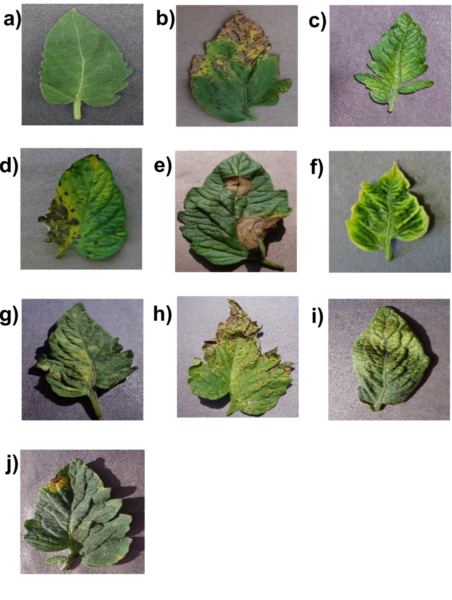
Plant diseases can cause up to 50% crop yield loss for the popular tomato plant. A mobile device-based method to identify diseases from photos of symptomatic leaves via computer vision can be more effective due to its convenience and accessibility. To enable a practical mobile solution, a “shallow” convolutional neural networks (CNNs) with few layers, and thus low computational requirement but with high accuracy similar to the deep CNNs is needed. In this work, we explored if such a model was possible.
Read More...Cell cytotoxicity and pro-apoptosis on MCF-7 cells using polyherbal formulation, MAT20
The purpose of this study was to test the anti-cancer properties and pro-apoptotic effects of the polyherbal formulation MAT20 as a complementary treatment. Moringa oleifera (Moringa), Phyllanthus emblica (Amla) and Ocimum sanctum (Tulsi), these 3 herbs were used to formulate MAT20, which contain phytochemicals that are known to display anti-cancer properties. In this study, we hypothesized that MCF-7 breast cancer cells treated with MAT20 would show increased cytotoxicity compared to its individual plant extracts.
Read More...Decolorization of textile dyes by edible white rot fungi
As fast fashion explodes in popularity, the fashion industry remains one of the most prominent industries responsible for pollution. This pollution includes a lack of treatment for textile dyes that remain toxic or carcinogenic as they persist in wastewater. To resolve this, the authors of this study set out to determine the efficacy of using edible white rot fungi for cell-based biodegradation of textile dyes into harmless chemicals. This method takes advantage of fungi found in excess from the fungi industry, decreasing food waste while addressing textile waste in tandem.
Read More...TNF signaling pathway upregulation as a potential pharmaceutical target for cocaine-addicted individuals
In this article, the authors investigate the RNA expression differences between groups of chronic cocaine abusers and drug-free subjects.
Read More...Talinum paniculatum root exhibits synergistic antimicrobial activity with Tetracycline, Erythromycin, and Streptomycin against S. aureus but has no observed effect on antibiotic efficacy against E. coli
Patel et al. explore whether T. paniculatum plant extract can work with modern antibiotics to increase antibiotic efficacy against common disease-causing bacteria. The plant extract in conjunction with the antibiotic shows promise in battling S. aureus. The authors present a cost-effective method to increase antibiotic efficacy in a time where antibiotic resistant bacteria is becoming a growing problem.
Read More...Disk Diffusion Tests Show Ginger to be Ineffective as an Antibacterial Agent
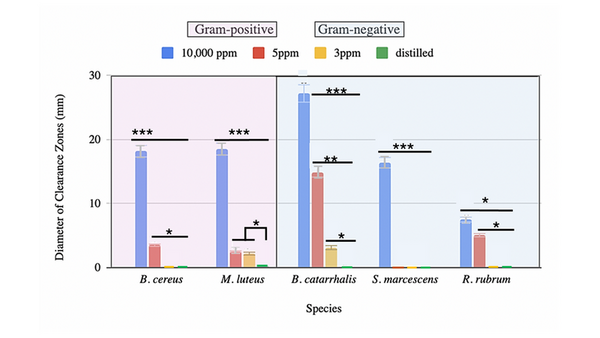
In this study, preparations of ginger were tested for an effect on the growth of four common bacterial species.
Read More...