Browse Articles

Breaking the Ice: A Scientific Take on the Ice Melting Abilities of Household Salts

Sehgal et al. | Dec 04, 2017

Breaking the Ice: A Scientific Take on the Ice Melting Abilities of Household Salts

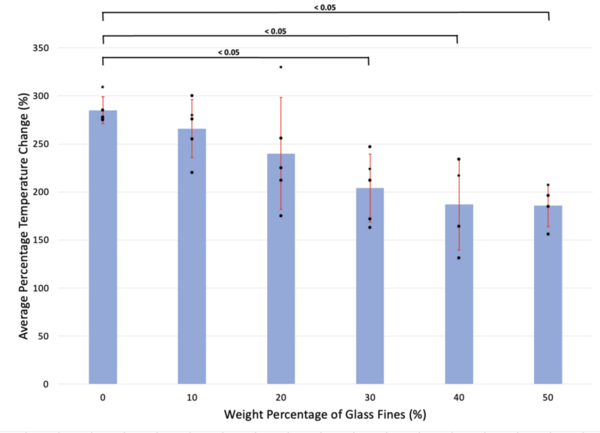
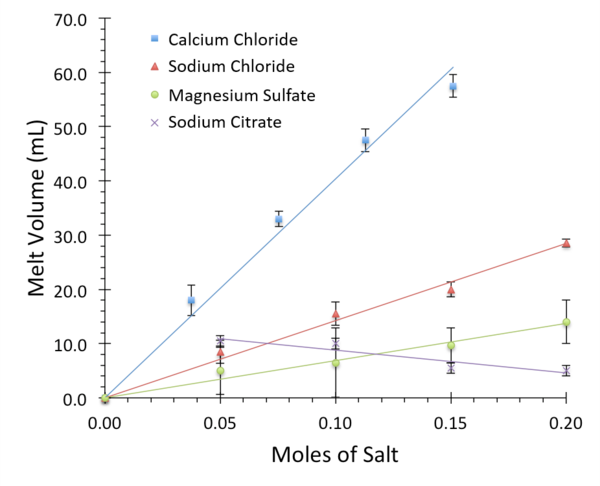
The use of salt to melt ice is a common and important practice to keep roadways safe during winter months. However, various subtypes of salt differ in their chemical and physical properties, as well as their environmental impact. In this study, the authors measure the effectiveness of different salts at disrupting ice structures and identify calcium chloride as the most effective.

Read More...

The Effect of Music on Heart Rate

Agrawal et al. | Apr 25, 2013

The Effect of Music on Heart Rate

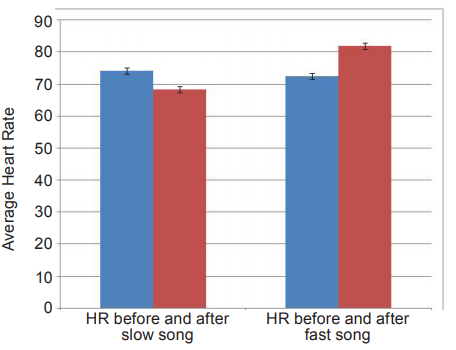
Different songs can seem to evoke different emotions. Here the authors demonstrate that different songs can have a significant effect on the heart rate of listeners. A slower song slows heart rate, and a faster song increases it.

Read More...

Simulating single versus cocktail antibiotic effects on the human gut microbiome

Patel et al. | Jul 19, 2026

Simulating single versus cocktail antibiotic effects on the human gut microbiome
Image credit: Volodymyr Hryshchenko

This study, uses SimulATe to model changes in microbial diversity and community structure upon administering a cocktail of antibiotics versus a single antibiotic. The authors hypothesized that antibiotic cocktails, particularly those combining broad-spectrum drugs like tetracyclines and trimethoprims, would cause a more significant reduction in gut microbial diversity compared to single-drug treatments. The findings confirmed a greater loss of microbial diversity with combinatorial treatments compared to single-drug treatments. While individual antibiotics dynamically reshaped the surviving species of the microbiome, antibiotic cocktails frequently cleared all species of the gut microbiome.

Read More...

The effects of a high-sucrose diet on the survival of Drosophila melanogaster from a bacterial infection

Warwick et al. | May 22, 2026

The effects of a high-sucrose diet on the survival of <i>Drosophila melanogaster</i> from a bacterial infection

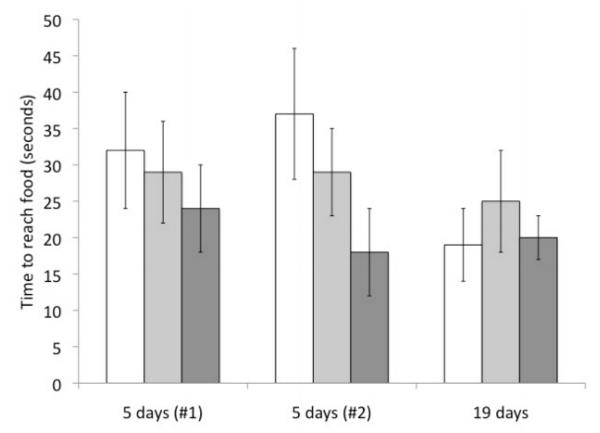
Excess sucrose consumption has been associated with several health problems, including inflammation and potential negative effects on immune function. However, the exact relationship between sucrose intake and immunity remains unclear, especially during bacterial infections. This study examined how sucrose intake affected the survival of fruit flies following oral infection with the bacterial pathogen Serratia marcescens.

Read More...