Browse Articles

The Protective Antioxidant Effects of Sulforaphane on Germinating Radish Seeds Treated with Hydrogen Peroxide

Dasuri et al. | Feb 19, 2021

The Protective Antioxidant Effects of Sulforaphane on Germinating Radish Seeds Treated with Hydrogen Peroxide

Free radical chain reactions result when atoms containing unpaired electrons bind with biomolecules and alter their biological functions, contributing to the progression of diseases such as atherosclerosis, cancer, and diabetes. Antioxidants, such as vitamin E and sulforaphane, are effective neutralizers of free radicals and prevent cellular damage. This present study is conducted to determine the relative effectiveness of sulforaphane against free radicals generated by hydrogen peroxide (H2O2) compared with the known antioxidant vitamin E.

Read More...

Fingerprint patterns through genetics

O'Brien et al. | Dec 02, 2020

Fingerprint patterns through genetics

This study explores the link between fingerprints and genetics by analyzing familial fingerprints to show how the fingerprints between family members, and in particular siblings, could be very similar. The hypothesis was that the fingerprints between siblings would be very similar and the dominant fingerprint features within the family would be the same throughout the generations. Fingerprints between the siblings showed a trend of similarity, with only very small differences which makes these fingerprints unique. This work helps to support the link between fingerprints and genetics while providing a modern technological application.

Read More...

DyGS: A Dynamic Gene Searching Algorithm for Cancer Detection

Wang et al. | Jun 05, 2018

DyGS: A Dynamic Gene Searching Algorithm for Cancer Detection

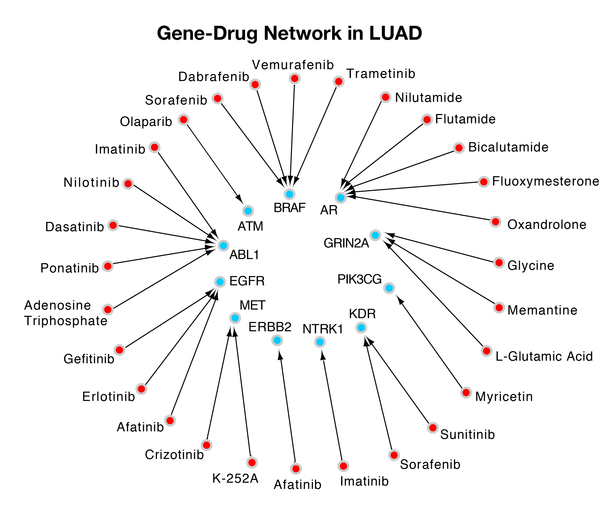
Wang and Gong developed a novel dynamic gene-searching algorithm called Dynamic Gene Search (DyGS) to create a gene panel for each of the 12 cancers with the highest annual incidence and death rate. The 12 gene panels the DyGS algorithm selected used only 3.5% of the original gene mutation pool, while covering every patient sample. About 40% of each gene panel is druggable, which indicates that the DyGS-generated gene panels can be used for early cancer detection as well as therapeutic targets in treatment methods.

Read More...

Ant Colony Optimization Algorithms with Multiple Simulated Colonies Offer Potential Advantages for Solving the Traveling Salesman Problem and, by Extension, Other Optimization Problems

Wildenhain et al. | May 22, 2015

Ant Colony Optimization Algorithms with Multiple Simulated Colonies Offer Potential Advantages for Solving the Traveling Salesman Problem and, by Extension, Other Optimization Problems

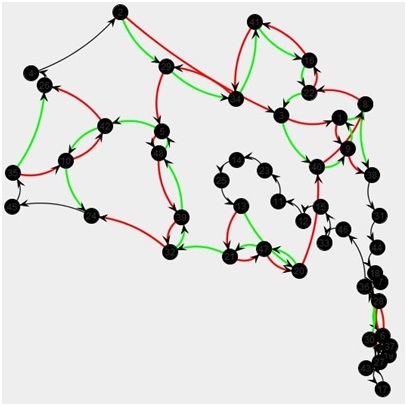
Ant colony optimization algorithms simulate ants moving from point to point on a graph and coordinate their actions, similar to ants laying down pheromones to strengthen a path as it is used more frequently. These ACO algorithms can be applied to the classic traveling salesman problem, which aims to determine the lowest-cost path through a given set of points on a graph. In this study, a novel multiple-colony system was developed that uses multiple simulated ant colonies to generate improved solutions to the traveling salesman problem.

Read More...

Don’t Waste the Medical Waste: Reducing Improperly Classified Hazardous Waste in a Medical Facility

Hemani et al. | Jun 20, 2018

Don’t Waste the Medical Waste: Reducing Improperly Classified Hazardous Waste in a Medical Facility

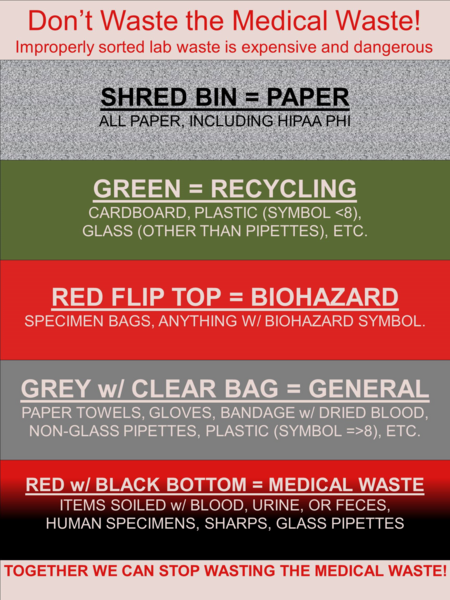
Hemani et al. tackled the problem of rampant hospital waste by implementing staff training to help inform hospital workers about proper waste disposal. The authors observed a significant increase in proper waste disposal after the training, showing that simple strategies, such as in-person classroom training and posters, can have a profound effect on limiting improper waste handling.

Read More...