Browse Articles

Quantifying right atrial dilation relative to atrial septal defect size using an experimental model

Lee et al. | Dec 06, 2025

Quantifying right atrial dilation relative to atrial septal defect size using an experimental model
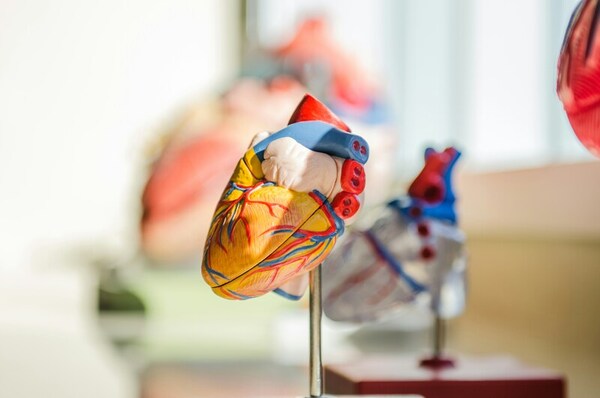
Image credit: jesse orrico

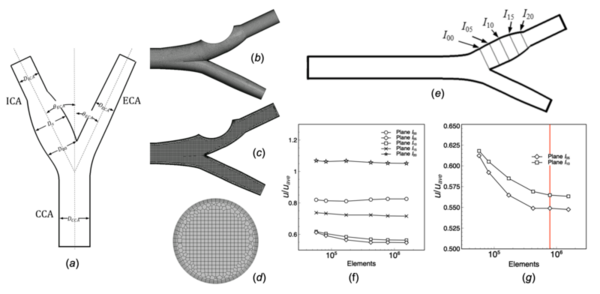
To address the limitations in predicting the severity of Atrial Septal Defect (ASD), here the authors utilized a fluid-filled chamber model to quantify the relationship between defect size and right atrial fluid output. The findings confirmed that larger ASD diameters result in a linear increase in fluid output, validating a cost-effective model that can improve clinical prognosis and treatment planning for heart failure risks.

Read More...

Relationship between p62 and learning behavior in male and female mice deficient in hippocampal folliculin

Guvenir et al. | Jun 10, 2025

Relationship between p62 and learning behavior in male and female mice deficient in hippocampal folliculin
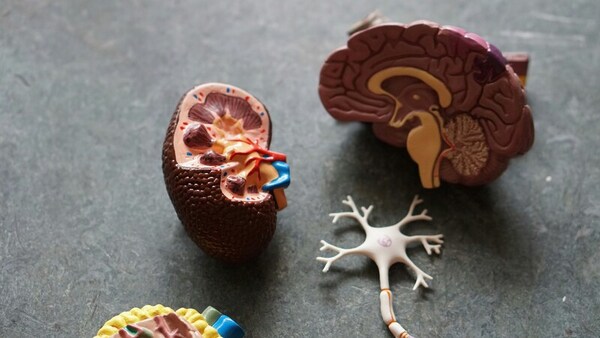
Image credit: Robina Weermeijer

Here the authors hypothesized that reducing folliculin (FLCN) might affect p62 protein levels in the dorsal hippocampus of mice, given their potential functional connection and p62's role in neurodegenerative diseases. Their study, using western blots and a two-way ANOVA on young wild-type mice, found that p62 levels correlated with FLCN expression, but ultimately concluded there's no evidence of a functional connection between FLCN and p62 in this specific model.

Read More...

A HOG feature extraction and CNN approach to Parkinson’s spiral drawing diagnosis

Tripathi et al. | Aug 09, 2024

A HOG feature extraction and CNN approach to Parkinson’s spiral drawing diagnosis

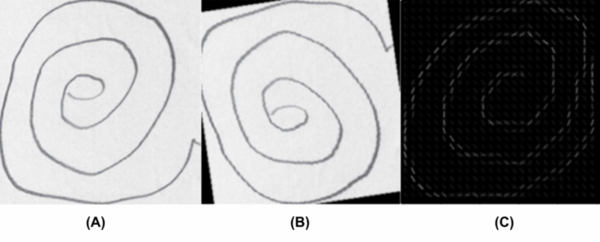
Parkinson’s disease (PD) is a prevalent neurodegenerative disorder in the U.S., second only to Alzheimer’s disease. Current diagnostic methods are often inefficient and dependent on clinical exams. This study explored using machine and deep learning to enhance PD diagnosis by analyzing spiral drawings affected by hand tremors, a common PD symptom.

Read More...

The effects of Helianthus Annuus on Amyotrophic Lateral Sclerosis using Drosophila Melanogaster

Srinivasan et al. | Oct 13, 2022

The effects of <em>Helianthus Annuus</em> on Amyotrophic Lateral Sclerosis using <em>Drosophila Melanogaster</em>

Amyotrophic lateral sclerosis (ALS) affects nearly 200,000 people worldwide and there is currently no cure. The purpose of the study was to determine if Helianthus annuus seeds helped reduce nerve degeneration and increase locomotion using Drosophila melanogaster as the model organism. Through this experiment, we found a general trend suggesting that H. annuus helped increase the mobility of the D. melanogaster suggesting it could be a viable supplement for patients with ALS.

Read More...