Browse Articles

Bacteroides thetaiotaomicron Growth Numbers Are Unchanged in the Presence of Yogurt

Phan et al. | Dec 29, 2016

<i>Bacteroides thetaiotaomicron</i> Growth Numbers Are Unchanged in the Presence of Yogurt

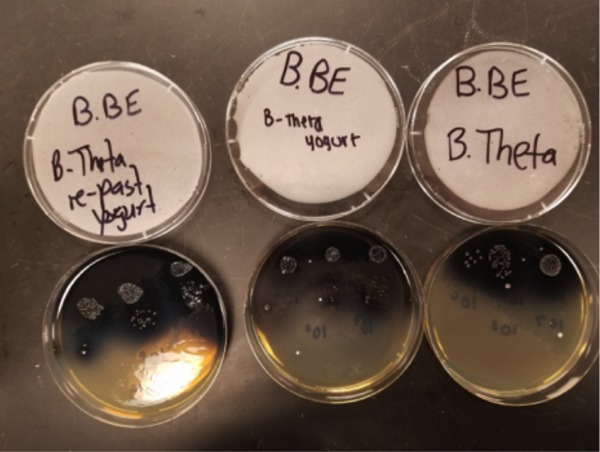
Disruptions to the microbiome, specifically the imbalance in the two major phyla, the Firmicutes and the Bacteroidetes, have been linked to the development of obesity. This study explored whether or not Fage plain total 0% Greek yogurt, which contains live and active bacterial cultures belonging to the Firmicute phylum, could decrease the numbers of Bacteroides thetaiotaomicron, an organism found in the human gut that belongs to the Bacteroidetes phylum.

Read More...

Strain-selective in vitro and in silico structure activity relationship (SAR) of N-acyl β-lactam broad spectrum antibiotics

Poosarla et al. | Oct 19, 2021

Strain-selective <i>in vitro</i> and <i>in silico</i> structure activity relationship (SAR) of N-acyl β-lactam broad spectrum antibiotics

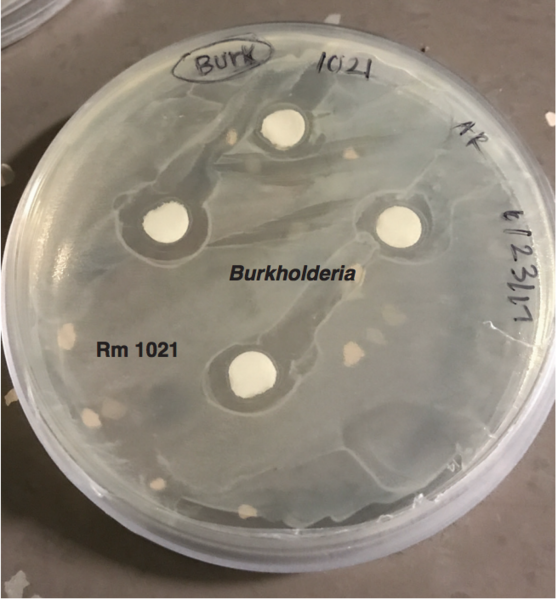
In this study, the authors investigate the antibacterial efficacy of penicillin G and its analogs amoxicillin, carbenicillin, piperacillin, cloxacillin, and ampicillin, against four species of bacteria. Results showed that all six penicillin-type antibiotics inhibit Staphylococcus epidermidis, Escherichia coli, and Neisseria sicca with varying degrees of efficacy but exhibited no inhibition against Bacillus cereus. Penicillin G had the greatest broad-spectrum antibacterial activity with a high radius of inhibition against S. epidermidis, E. coli, and N. sicca.

Read More...

An Exploration of a Honey-Ginger Supplement as an Antimicrobial Agent

Phillips et al. | Jul 10, 2016

An Exploration of a Honey-Ginger Supplement as an Antimicrobial Agent

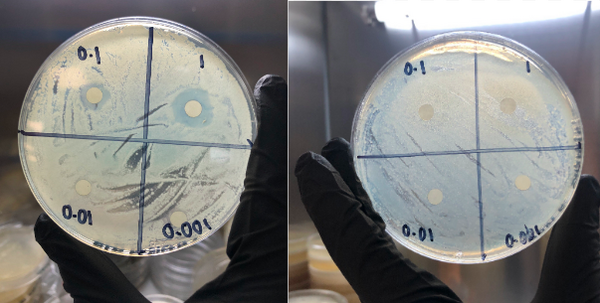
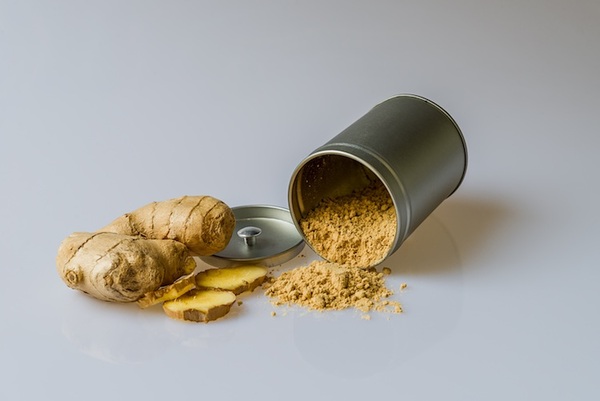
Due to the increase in antimicrobial resistance, alternative medicinal therapies are being explored. Studies have shown that honey and ginger alone have antimicrobial effects on the genera Staphylococcus and Escherichia, including S. epidermidis and E. coli. The authors of this study tested whether a honey-ginger supplement, Jengimiel™, could be used as an antimicrobial agent against S. epidermidis and E. coli K-12.

Read More...

The Emergence of Tetracycline Resistance in Rumen Bacteria

Memili et al. | Sep 16, 2016

The Emergence of Tetracycline Resistance in Rumen Bacteria

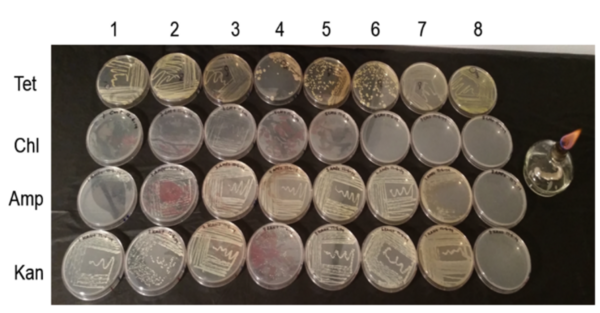
The emergence of antibiotic-resistant pathogenic bacteria is a major concern for human health, rendering some antibiotics ineffective in treating diseases. The authors of this study tested the hypothesis that exposing rumen bacteria to tetracycline will gradually lead to the development of tetracycline-resistant bacteria, some of which will develop multidrug resistance.

Read More...

The analysis of the antimicrobial benefits of Populus balsamifera

Breen et al. | Sep 22, 2021

The analysis of the antimicrobial benefits of <em>Populus balsamifera</em>

In this study, the authors investigated the antimicrobial properties of the tree species, Populus balsamifera. It was observed that the extract of the buds of P. balsamifera was highly effective against gram-positive bacteria. This helps to indicate the potential use of P. balsamifera in the medical field to eliminate gram-positive bacteria.

Read More...

The Effects of Antibiotics on Nutrient Digestion

Murea et al. | Oct 06, 2017

The Effects of Antibiotics on Nutrient Digestion

One disadvantage of antibiotic therapy is the potential for unpleasant gastrointestinal side effects. Here, the authors test whether some common antibiotics directly interfere with the digestion of protein, fat, or sugars. This study provides motivation to more carefully investigate the interactions between antibiotics and gut enzymes in order to inform treatment decisions and improve patient outcomes.

Read More...

Bacteria and Antibiotic Resistance in School Bathrooms

Ciarlet et al. | Aug 24, 2020

Bacteria and Antibiotic Resistance in School Bathrooms

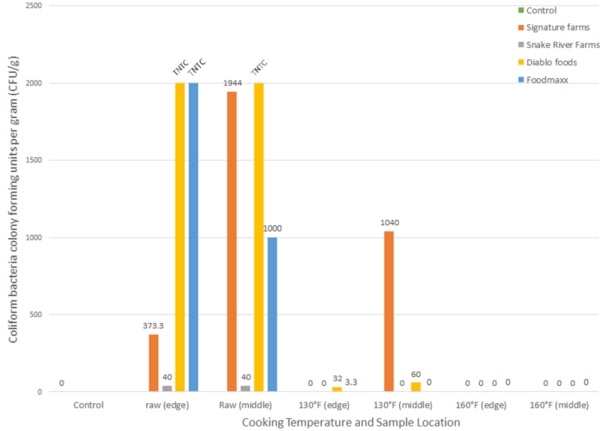
Since school bathrooms are widely suspected to be unsanitary, we wanted to compare the total amount of bacteria with the amount of bacteria that had ampicillin or streptomycin resistance across different school bathrooms in the Boston area. We hypothesized that because people interact with the faucet, outdoor handle, and indoor handle of the bathroom, based on whether or not they have washed their hands, there would be differences in the quantity of the bacteria presented on these surfaces. Therefore, we predicted certain surfaces of the bathroom would be less sanitary than others.

Read More...

Simulating single versus cocktail antibiotic effects on the human gut microbiome

Patel et al. | Jul 19, 2026

Simulating single versus cocktail antibiotic effects on the human gut microbiome
Image credit: Volodymyr Hryshchenko

This study, uses SimulATe to model changes in microbial diversity and community structure upon administering a cocktail of antibiotics versus a single antibiotic. The authors hypothesized that antibiotic cocktails, particularly those combining broad-spectrum drugs like tetracyclines and trimethoprims, would cause a more significant reduction in gut microbial diversity compared to single-drug treatments. The findings confirmed a greater loss of microbial diversity with combinatorial treatments compared to single-drug treatments. While individual antibiotics dynamically reshaped the surviving species of the microbiome, antibiotic cocktails frequently cleared all species of the gut microbiome.

Read More...