Browse Articles

DyGS: A Dynamic Gene Searching Algorithm for Cancer Detection

Wang et al. | Jun 05, 2018

DyGS: A Dynamic Gene Searching Algorithm for Cancer Detection

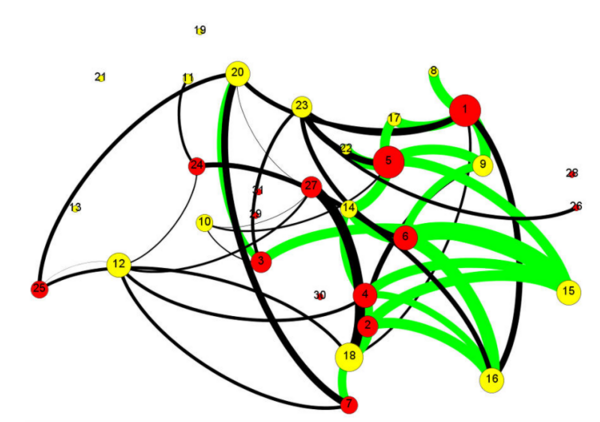
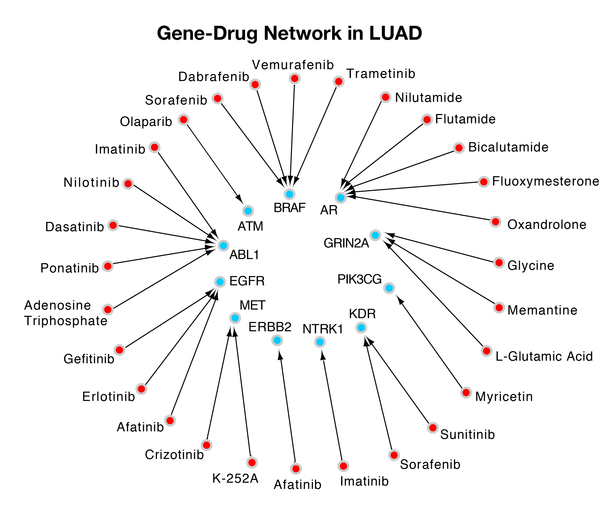
Wang and Gong developed a novel dynamic gene-searching algorithm called Dynamic Gene Search (DyGS) to create a gene panel for each of the 12 cancers with the highest annual incidence and death rate. The 12 gene panels the DyGS algorithm selected used only 3.5% of the original gene mutation pool, while covering every patient sample. About 40% of each gene panel is druggable, which indicates that the DyGS-generated gene panels can be used for early cancer detection as well as therapeutic targets in treatment methods.

Read More...

Are Age and Sex Related to Emotion Recognition Ability in Children and Teenagers?

Gallego-García et al. | Feb 23, 2018

Are Age and Sex Related to Emotion Recognition Ability in Children and Teenagers?

Humans have a natural ability to recognize emotional cues from the facial expressions of others, as a crucial evolutionary trait to navigate social interactions. This ability likely develops through normal development and social experience, but it is unclear how much influence age and sex have in emotional facial recognition (EFR). In this study, the authors investigate EFR in children and teenagers, and look at whether accurate emotional recognition does occur more in males or females.

Read More...

Deciphering correlation and causation in risk factors for heart disease with Mendelian randomization

Singh et al. | Feb 08, 2023

Deciphering correlation and causation in risk factors for heart disease with Mendelian randomization
Image credit: Robina Weermeijer

Here, seeking to identify the risk of coronary artery disease (CAD), a major cause of cardiovascular disease, the authors used Mendelian randomization. With this method they identified several traits such as blood pressure readings, LDL cholesterol and BMI as significant risk factors. While other traits were not found to be significant risk factors.

Read More...

Ladder Fuel Treatments Effect Burn Area of Forest Fires in Semi-Arid High Elevation Climates

Schwartz et al. | Oct 05, 2020

Ladder Fuel Treatments Effect Burn Area of Forest Fires in Semi-Arid High Elevation Climates

In this study, the authors investigate a timely and important topic: forest fires. More specifically, they use a wildfire simulator to test how ladder fuels effect the burn area of a forest fire. Ladder fuels are fuels that cause a forest fire to rise up from the forest floor to the canopy, which may affect the overall spread. They simulated fire spread with different levels of ladder fuel treatment and found that the spread of a burn area would indeed decrease with increased ladder fuel treatment. These findings have important implications for forest and forest fire management.

Read More...

How CAFOs affect Escherichia coli contents in surrounding water sources

Lieberman et al. | Feb 24, 2023

How CAFOs affect <i>Escherichia coli</i> contents in surrounding water sources
Image credit: CDC

Commercial Concentrated Animal Feeding Operations (CAFOs) produce large quantities of waste material from the animals being housed in them. These feedlots found across the United States contain livestock that produce waste that results in hazardous runoff. This study examines how CAFOs affect water sources by testing for Escherichia Coli (E. coli) content in bodies of water near CAFOs.

Read More...