The authors test the durability of synthetic versus non-synthetic fabrics though loose thread counts, color fade over time, and shrinkage tests.
Read More...A comparative analysis of synthetic and natural fabrics
The authors test the durability of synthetic versus non-synthetic fabrics though loose thread counts, color fade over time, and shrinkage tests.
Read More...Water tubing injury patterns among different demographics: A NEISS study

The authors looked at how injuries sustained during water tubing, that require treatment at an emergency department, differ between males and females.
Read More...Analysis of electrodialysis as a method of producing potable water
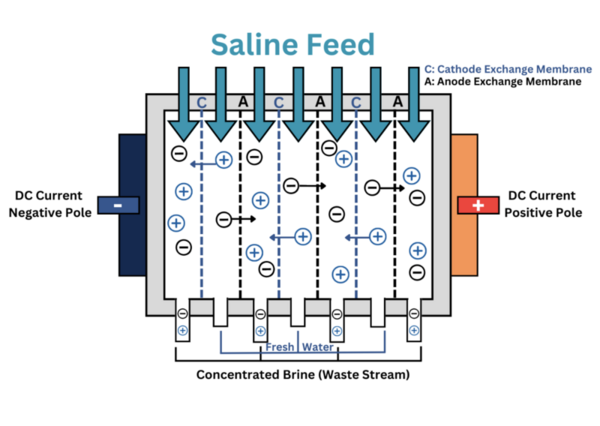
Here, seeking a way to convert the vast quantity of seawater to drinking water, the authors investigated the purification of seawater to drinking water through electrodialysis. Using total dissolved solids (TDS) as their measure, they found that electrodialysis was able to produce deionized water with TDS values under the acceptable range for consumable water.
Read More...Heavy metal and bacterial water filtration using Moringa oleifera and coconut shell-activated carbon
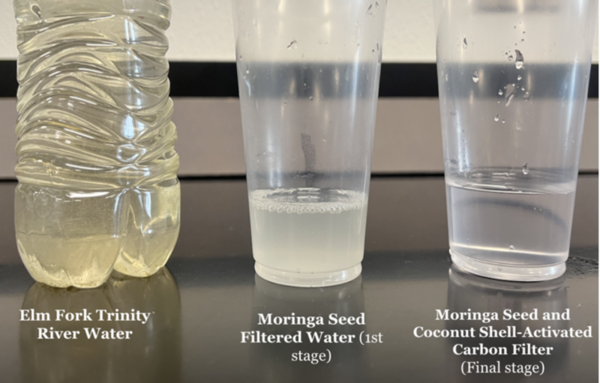
One-third of the world's people do not have access to clean drinking water. Nadella and Nadella tackle this issue by testing a low-cost filtration system for removing heavy metal and bacteria from water.
Read More...Effects of microconvection on bubble displacement during water electrolysis under microgravity
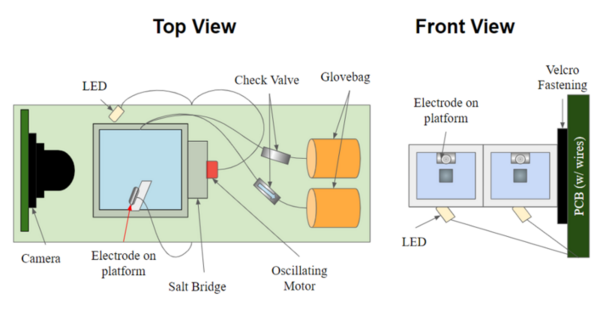
The authors looked at the effect of microconvection on displacing bubbles during electrolysis. They found that microconvection does have a role in bubble displacement in water electrolysis which can be applied in the production of hydrogen.
Read More...Impacts of COVID-19 on daily water use: Have people started using more water?
In this study, the authors investigated whether water usage changed in São Paulo during the COVID-19 quarantine and explored reasons why.
Read More...A novel bioreactor system to purify contaminated runoff water
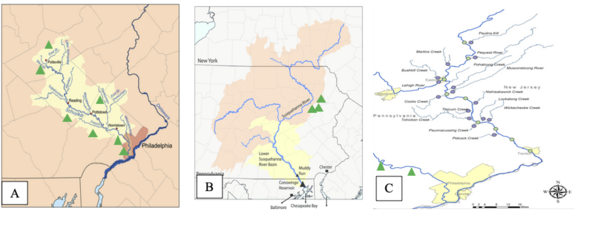
In this study, the authors engineer a cost-effective and bio-friendly water purification system using limestone, denitrifying bacteria, and sulfate-reducing bacteria. They evaluated its efficacy with samples from Eastern PA industrial sites.
Read More...Leveraging E-Waste to Enhance Water Condensation by Effective Use of Solid-state Thermoelectric Cooling
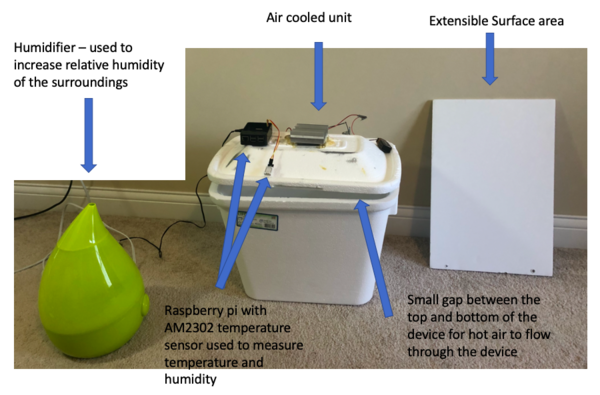
Water scarcity affects upwards of a billion people worldwide today. This project leverages the potential of capturing humidity to build a high-efficiency water condensation device that can generate water and be used for personal and commercial purposes. This compact environment-friendly device would have low power requirements, which would potentially allow it to utilize renewable energy sources and collect water at the most needed location.
Read More...Purification of Water by Aloe
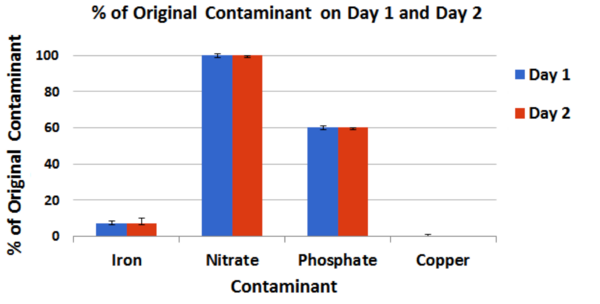
The authors test the ability of aloe vera gel to purify water of four separate contaminants. Aloe reduced the levels of copper, iron, and phosphate, but not nitrate. Potential applications of this purification system are discussed.
Read More...Polluted water tested from the Potomac River affects invasive species plant growth

Here recognizing the potential for pollution to impact the ecosystems of local waterways, the authors investigated the growth of tiger lilies, which are invasive to the Potomac River, in relation to the level of pollution. The authors report that increasing levels of pollution led to increased growth of the invasive species based on their study.
Read More...