Browse Articles

Simulating single versus cocktail antibiotic effects on the human gut microbiome

Patel et al. | Jul 19, 2026

Simulating single versus cocktail antibiotic effects on the human gut microbiome
Image credit: Volodymyr Hryshchenko

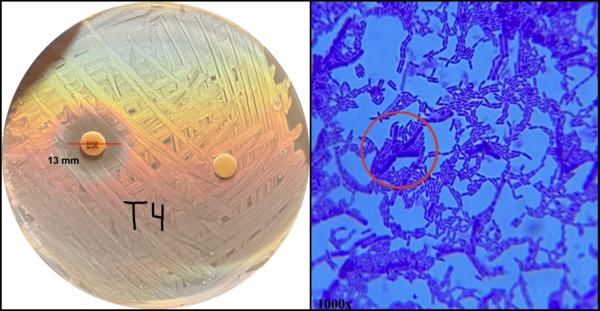
This study, uses SimulATe to model changes in microbial diversity and community structure upon administering a cocktail of antibiotics versus a single antibiotic. The authors hypothesized that antibiotic cocktails, particularly those combining broad-spectrum drugs like tetracyclines and trimethoprims, would cause a more significant reduction in gut microbial diversity compared to single-drug treatments. The findings confirmed a greater loss of microbial diversity with combinatorial treatments compared to single-drug treatments. While individual antibiotics dynamically reshaped the surviving species of the microbiome, antibiotic cocktails frequently cleared all species of the gut microbiome.

Read More...

Effect of heme vs. non-heme iron supplements on gut microbiome fitness

Dogra et al. | Nov 07, 2022

Effect of heme vs. non-heme iron supplements on gut microbiome fitness

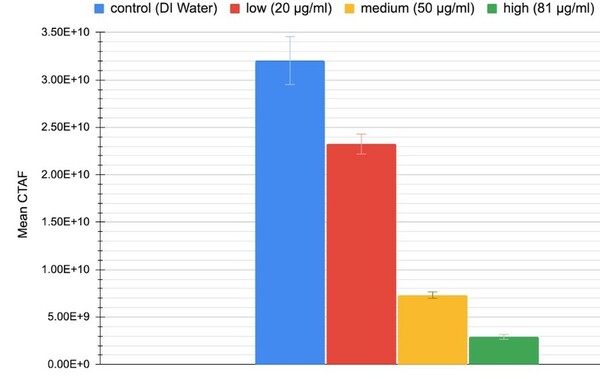
Here, based on identification of iron deficiencies of a majority of people around the world, the authors sought to understand how the two main forms of dietary iron, heme and non-heme, affect the bacteria found in the human gut. by using a cell plate study, they found that bacterial growth increased with increasing concentration os either form of iron, up until the point where the high iron content resulted in cytotoxicity. They suggest this evidence points to the potential dangers of overconsumption of iron.

Read More...

Analysis of complement system gene expression and outcome across the subtypes of glioma

Mudda et al. | May 17, 2023

Analysis of complement system gene expression and outcome across the subtypes of glioma
Image credit: National Cancer Institute

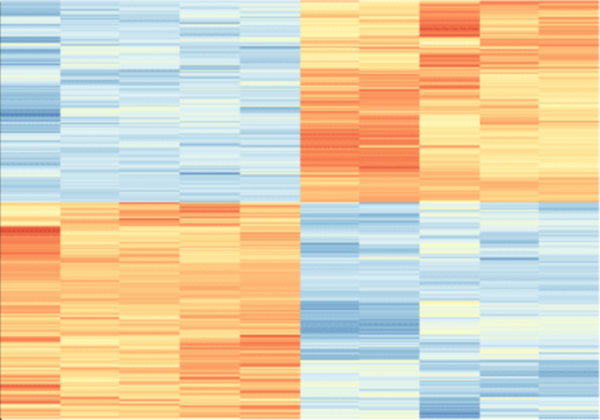
Here the authors sought to better understand glioma, cancer that occurs in the glial cells of the brain with gene expression profile analysis. They considered the expression of complement system genes across the transcriptional and IDH-mutational subtypes of low-grade glioma and glioblastoma. Based on their results of their differential gene expression analysis, they found that outcomes vary across different glioma subtypes, with evidence suggesting that categorization of the transcriptional subtypes could help inform treatment by providing an expectation for treatment responses.

Read More...