This study developed an effective method for extracting valuable information from social media data and employed computer-assisted human coding alongside the AI-powered tool to analyze social media posts. The findings provide a deep understanding of the major challenges that home health care workers are experiencing and offer important implications regarding how to improve home healthcare workers' well-being, and provide suggestions on optimizing the home health care service experience.
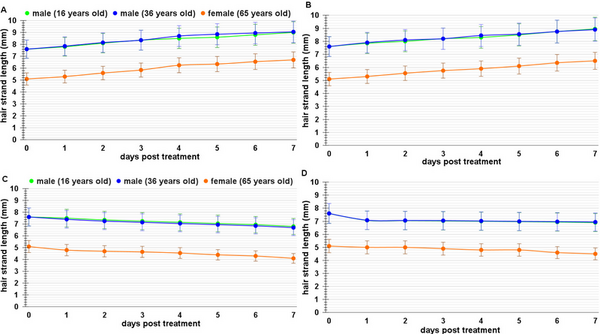
We are looking into natural ways to help hair grow better and stronger by studying keratin synthesis in human hair follicles. The reason for conducting this research was to have the ability to control hair growth through future innovations. We wanted to answer the question: How can we find natural ways to enhance hair growth by understanding the connection with natural resources, particularly keratin dynamics? The main focus of this experiment is understanding the promotion of keratin synthesis within human hair follicles, which is important for hair development and health. While keratin is essential for the growth and strength of body tissues, including skin and hair, our research hints at its specific synthesis within hair follicles. In our research utilizing castor oil, coconut oil, a turmeric and baking soda mixture, and a sugar, honey, and lemon mixture, we hypothesize that oils, specifically coconut oil and castor oil, will enhance keratin synthesis, whereas mixtures, such as the turmeric and baking soda mixture and the sugar, honey, and lemon mixture, will result in a decrease keratin synthesis. The methods used show how different natural substances influence keratin formation within the hair follicles. The experiment involved applying natural resources to hair strands and follicles, measuring their length under the microscope daily, and assessing their health and characteristics over seven days. In summary, our research helps us understand how hair grows better. We found that using natural items like essential oils effectively alters keratin growth within the hair follicles and hair strands.
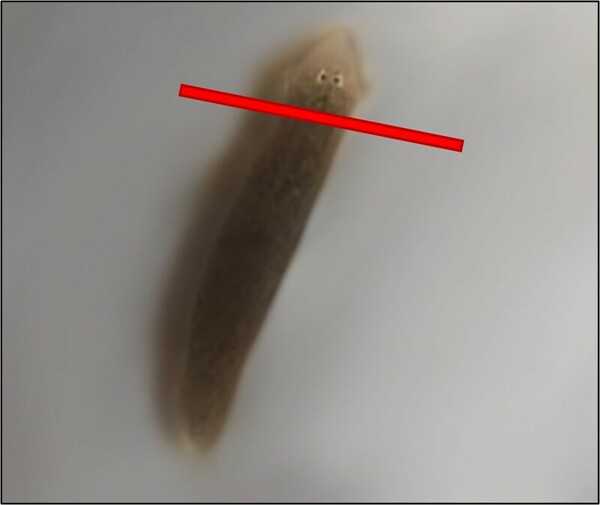
The consumption of sugar substitute non-nutritive sweeteners (NNS) has dramatically increased in recent years. Despite being advertised as a healthy alternative, NNS have been linked to adverse effects on the body, such as neurodegenerative diseases (NDs). In NDs, neural stem cell function is impaired, which inhibits neuron regeneration. The purpose of this study was to determine if the NNS acesulfame potassium (Ace-K) and neotame affect planaria neuron regeneration rates. Since human neurons may regenerate, planaria, organisms with extensive regenerative capabilities due to stem cells called neoblasts, were used as the model organism. The heads of planaria exposed to either a control or non-toxic concentrations of NNS were amputated. The posterior regions of the planaria were observed every 24 hours to see the following regeneration stages: (1) wound healing, (2) blastema development, (3) growth, and (4) differentiation. The authors hypothesized that exposure to the NNS would slow planaria regeneration rates. The time it took for the planaria in the Ace-K group and the neotame group to reach the second, third, and fourth regeneration stage was significantly greater than that of the control. The results of this study indicated that exposure to the NNS significantly slowed regeneration rates in planaria. This suggests that the NNS may adversely impact neoblast proliferation rates in planaria, implying that it could impair neural stem cell proliferation in humans, which plays a role in NDs. This study may provide insight into the connection between NNS, human neuron regeneration, and NDs.
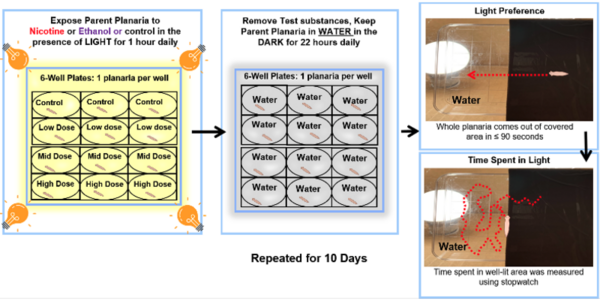
The global mental health crisis has led to increased substance abuse among youth. Prescription drug abuse causes approximately 115 American deaths daily. Understanding intergenerational transmission of substance abuse is complex due to lengthy human studies and socioeconomic variables. Recent FDA guidelines mandate abuse liability testing for neuro-active drugs but overlook intergenerational transfer. Brown planaria, due to their nervous system development similarities with mammals, offer a novel model.
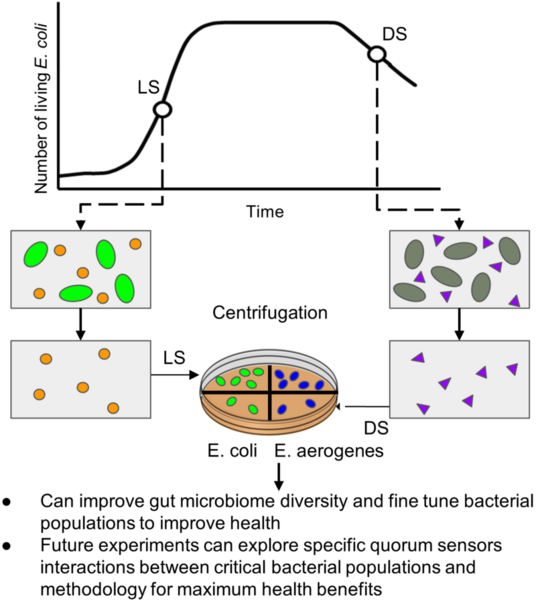
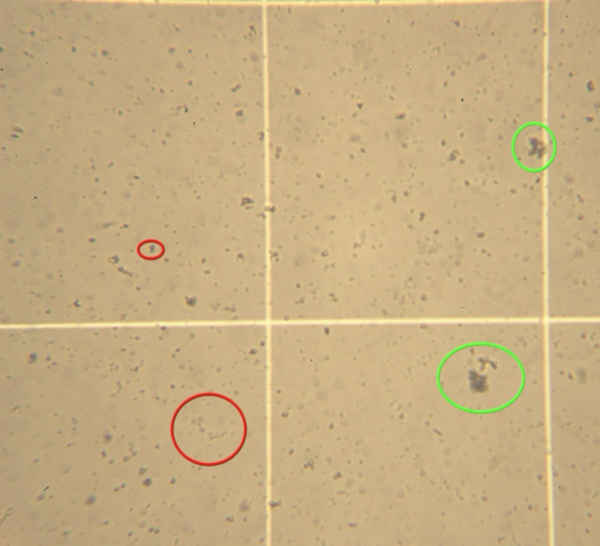
The study discusses the relationship between bacterial species and the human gut microbiome, emphasizing the role of quorum sensing molecules in bacterial communication and its implications for health. Authors investigated the impact of bacterial supernatants from Escherichia coli (E. coli) on the growth of new E. coli and Enterobacter aerogenes (E. aerogenes) cultures.
There is a need for safe and effective therapies to prevent platelet aggregation associated with cardiovascular diseases. Prabhakar and Prabhakar test to see whether dietary supplements claiming to reduce cardiovascular disease risk will affect aggregation of human platelets.
Although the United States maintains millions of square kilometers of nature reserves to protect the biodiversity of the specimens living there, little is known about how confining these species within designated protected lands influences the genetic variation required for a healthy population. In this study, the authors sequenced genetic barcodes of insects from a recently established nature reserve, the Southwestern Riverside County Multi-Species Reserve (SWRCMSR), and a non-protected area, the Mt. San Jacinto College (MSJC) Menifee campus, to compare the genetic variation between the two populations. Their results demonstrated that the midge fly population from the SWRCMSR had fewer unique DNA barcode sequence changes than the MSJC population, indicating that the comparatively younger nature reserve's population had likely not yet established its own unique genetic drift changes.
This study aimed to determine whether artificial sweeteners are harmful to the human microbiome by investigating two different bacteria found to be advantageous to the human gut, Escherichia coli and Bacillus coagulans. Results showed dramatic reduction in bacterial growth for agar plates containing two artificial sweeteners in comparison to two natural sweeteners. This led to the conclusion that both artificial sweeteners inhibit the growth of the two bacteria and warrants further study to determine if zero-sugar sweeteners may be worse for the human gut than natural sugar itself.
There is limited evidence that extended exposure to an electromagnetic field (EMF) has negative health effects on humans. The authors measured the power density and strength of EMF at different distances and directions in front of a microwave oven, and they discuss the safety of different distances.


_resized.jpg)