Browse Articles

Antimicrobial properties of common household spices on microbes cultured from two kitchen locations

Carroll et al. | May 12, 2022

Antimicrobial properties of common household spices on microbes cultured from two kitchen locations

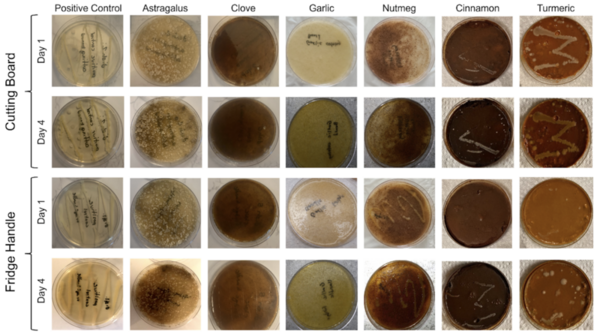
The number of bacterial infections in humans is rising, and a major contributor is foodborne illnesses, which affect a large portion of the population and result in many hospitalizations and deaths. Common household cleaners are an effective strategy to combat foodborne illness, but they are often costly and contain harmful chemicals. Thus, the authors sought to test the antimicrobial effectiveness of spices (clove, nutmeg, astragalus, cinnamon, turmeric, and garlic) on microbes cultured from refrigerator handles and cutting boards. Results from this study demonstrate long-lasting, antimicrobial effects of multiple spices that support their use as alternatives to common household cleaners.

Read More...
Music's Effect on Dogs' Heart Rates

Aubin et al. | Oct 03, 2017

Music's Effect on Dogs' Heart Rates

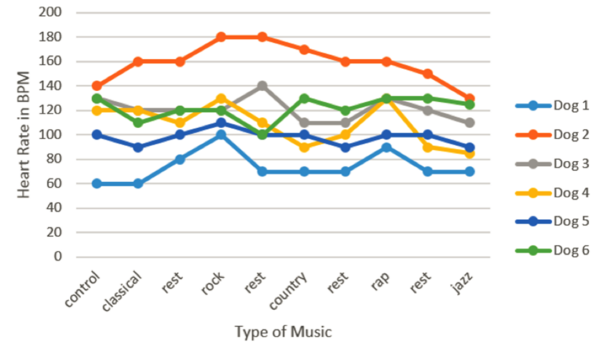
Music can affect the behavior of humans and other animals. In this study, the authors studied five types of music with different tempos and demonstrated how each one affected dogs' heart rates.

Read More...

Mitigating microplastic exposure from water consumption in junior high students and teachers

Chow et al. | May 10, 2024

Mitigating microplastic exposure from water consumption in junior high students and teachers
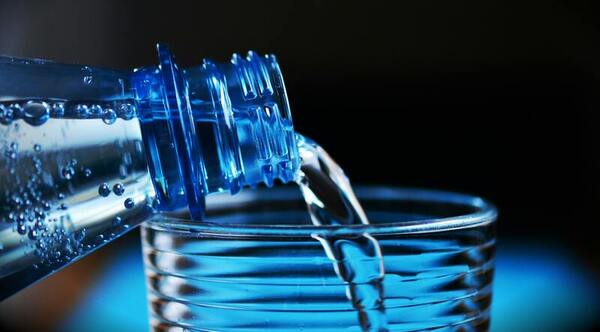
Image credit: Pixabay

Microplastics (MPs) are inorganic material that have been observed within items destined for human consumption, including water, and may pose a potential health hazard. Here we estimated the average amount of MPs junior high students and teachers consumed from different water sources and determined whether promoting awareness of microplastic (MP) exposure influenced choice of water source and potential MPs consumed.

Read More...

Investigation of the correlation between trihalomethane concentrations and socioeconomic factors in NY State

Lee et al. | Aug 19, 2023

Investigation of the correlation between trihalomethane concentrations and socioeconomic factors in NY State

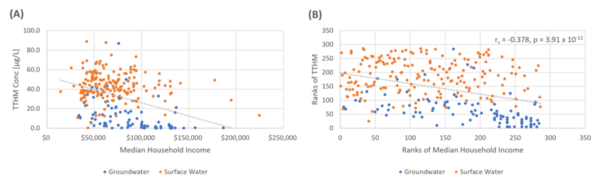
Trihalomethanes, probable human carcinogens, are commonly found disinfection by-products (DBPs) in public water systems (PWS). The authors investigated the correlation between trihalomethane concentrations and socioeconomic factors in New York State, finding a negative correlation between median household income and trihalomethane concentrations. The inverse association between trihalomethanes and household income may indicate socioeconomic disparity regarding drinking water quality and the need for improved efforts to assist small- and medium-sized community water systems to lower DBP levels in New York State.

Read More...

The role of xpa-1 and him-1 in UV protection of Caenorhabditis elegans

Tung et al. | Feb 25, 2022

The role of <em>xpa-1</em> and <em>him-1</em> in UV protection of <em>Caenorhabditis elegans</em>

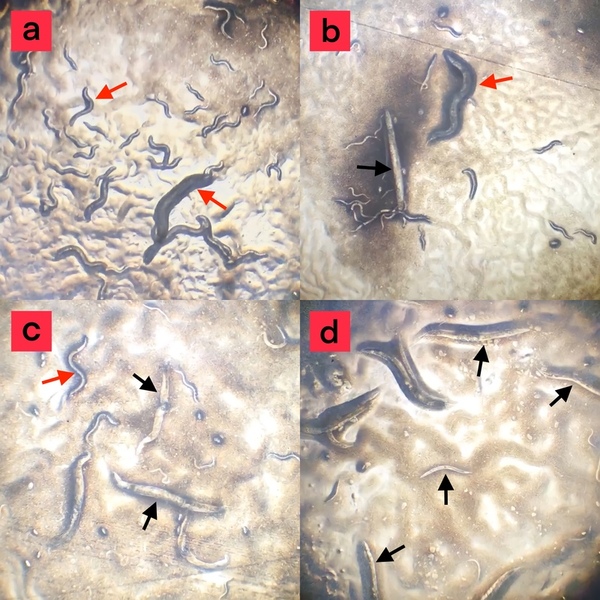
Caenorhabditis elegans xpa-1 and him-1 are orthologs of human XPA and human SMC1A, respectively. Mutations in the XPA are correlated with Xeroderma pigmentosum, a condition that induces hypersensitivity to ultraviolet (UV) radiation. Alternatively, SMC1A mutations may lead to Cornelia de Lange Syndrome, a multi-organ disorder that makes patients more sensitive to UVinduced DNA damage. Both C. elegans genes have been found to be involved in protection against UV radiation, but their combined effects have not been tested when they are both knocked down. The authors hypothesized that because these genes are involved in separate pathways, the simultaneous knockdown of both of these genes using RNA interference (RNAi) in C. elegans will cause them to become more sensitive to UV radiation than either of them knocked down individually. UV protection was measured via the percent survival of C. elegans post 365 nm and 5.4x10⁻¹⁹ joules of UV radiation. The double xpa-1/him-1 RNAi knockdown showed a significantly reduced percent survival after 15 and 30 minutes of UV radiation relative to wild-type and xpa-1 and him-1 single knockdowns. These measurements were consistent with their hypothesis and demonstrated that xpa-1 and him-1 genes play distinct roles in resistance against UV stress in C. elegans. This result raises the possibility that the xpa-1/him-1 double knockdown could be useful as an animal model for studying the human disease Xeroderma pigmentosum and Cornelia de Lange Syndrome.

Read More...

Predicting asthma-related emergency department visits and hospitalizations with machine learning techniques

Chatterjee et al. | Oct 25, 2021

Predicting asthma-related emergency department visits and hospitalizations with machine learning techniques

Seeking to investigate the effects of ambient pollutants on human respiratory health, here the authors used machine learning to examine asthma in Lost Angeles County, an area with substantial pollution. By using machine learning models and classification techniques, the authors identified that nitrogen dioxide and ozone levels were significantly correlated with asthma hospitalizations. Based on an identified seasonal surge in asthma hospitalizations, the authors suggest future directions to improve machine learning modeling to investigate these relationships.

Read More...