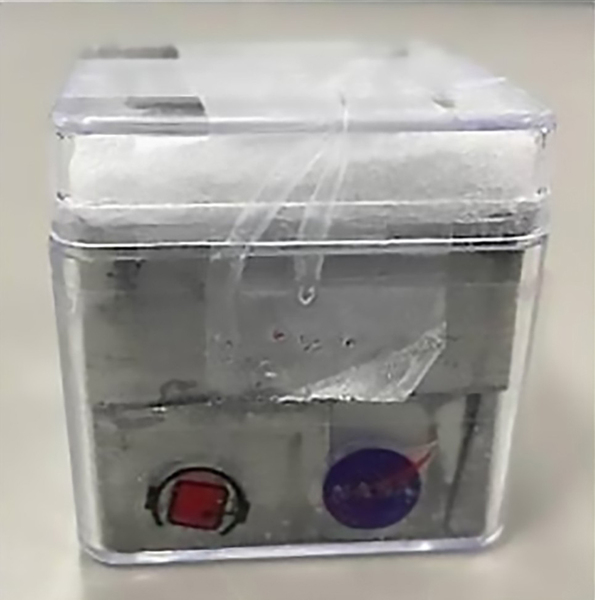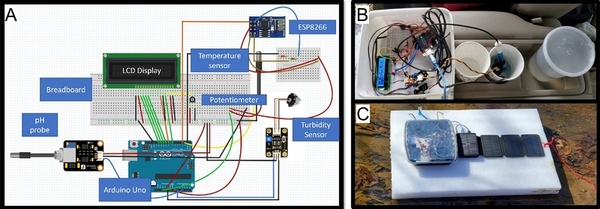
The authors monitored water quality over time looking for influences from construction and deforestation.
Read More...A low-cost, Arduino-based system for real-time abiotic monitoring of a local watershed
The authors monitored water quality over time looking for influences from construction and deforestation.
Read More...Legacy mercury, reservoir dynamics, and dredging effects on methylmercury in San Francisco Bay
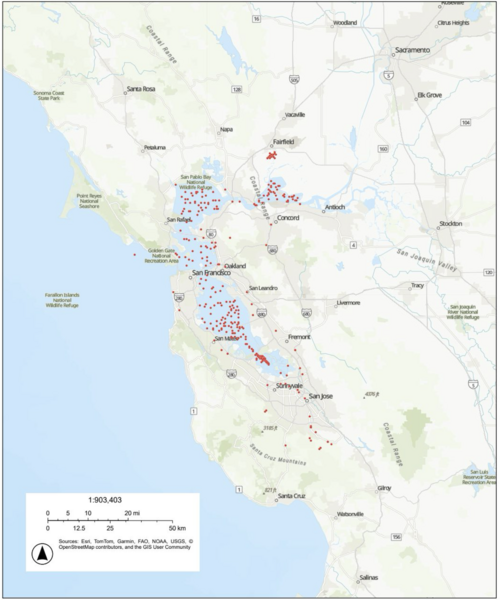
This study analyzes over two decades of monitoring data (1999-2022) to investigate how legacy mining, reservoir water releases, and dredging activities influence toxic methylmercury (MeHg) levels in San Francisco Bay. The findings reveal a significant delayed correlation between river flow and San Francisco Bay MeHg, and counter to the authors' hypothesis, a strong association between increased MeHg concentrations in the bay and both total annual dredging volume and beneficial sediment reuse / upland sediment disposal.
Read More...A comparison of the water quality between Chinatown and Bayside: two demographically different regions
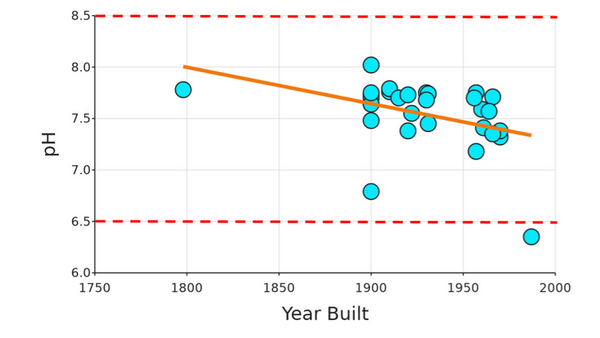
The authors looked at differences in water quality between Chinatown and Bayside. They wanted to look at the racial and economic demographics of each region and how that correlated to access to clean drinking water. Ultimately they did not find any significant differences in water quality, but identified important future directions for this work.
Read More...Methanotrophic bioremediation for the degradation of oceanic methane and chlorinated hydrocarbons
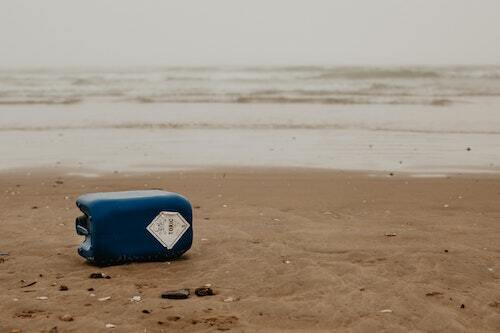
Seeking an approach to address the increasing levels of methane and chlorinated hydrocarbons that threaten the environment, the authors worked to develop a novel, low-cost biotrickling filter for use as an ex situ method tailored to marine environments. By using methanotrophic bacteria in the filter, they observed methane degradation, suggesting the feasibility of chlorinated hydrocarbon degradation.
Read More...Purification of Water by Aloe
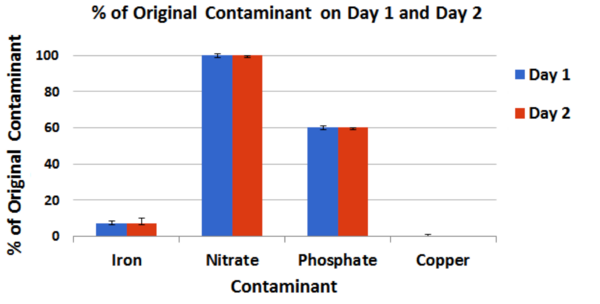
The authors test the ability of aloe vera gel to purify water of four separate contaminants. Aloe reduced the levels of copper, iron, and phosphate, but not nitrate. Potential applications of this purification system are discussed.
Read More...Using machine learning to develop a global coral bleaching predictor
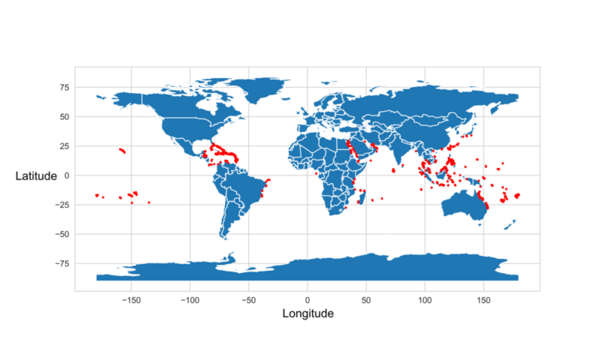
Coral bleaching is a fatal process that reduces coral diversity, leads to habitat loss for marine organisms, and is a symptom of climate change. This process occurs when corals expel their symbiotic dinoflagellates, algae that photosynthesize within coral tissue providing corals with glucose. Restoration efforts have attempted to repair damaged reefs; however, there are over 360,000 square miles of coral reefs worldwide, making it challenging to target conservation efforts. Thus, predicting the likelihood of bleaching in a certain region would make it easier to allocate resources for conservation efforts. We developed a machine learning model to predict global locations at risk for coral bleaching. Data obtained from the Biological and Chemical Oceanography Data Management Office consisted of various coral bleaching events and the parameters under which the bleaching occurred. Sea surface temperature, sea surface temperature anomalies, longitude, latitude, and coral depth below the surface were the features found to be most correlated to coral bleaching. Thirty-nine machine learning models were tested to determine which one most accurately used the parameters of interest to predict the percentage of corals that would be bleached. A random forest regressor model with an R-squared value of 0.25 and a root mean squared error value of 7.91 was determined to be the best model for predicting coral bleaching. In the end, the random model had a 96% accuracy in predicting the percentage of corals that would be bleached. This prediction system can make it easier for researchers and conservationists to identify coral bleaching hotspots and properly allocate resources to prevent or mitigate bleaching events.
Read More...A novel filtration model for microplastics using natural oils and its application to the environment
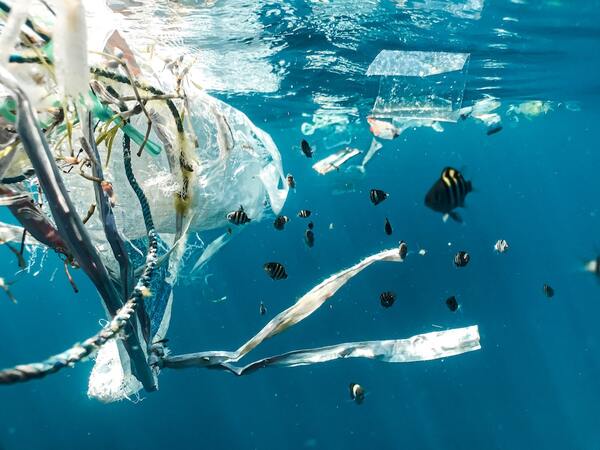
Recognizing the need for a method to filter microplastics from polluted water the authors sought to use nonpolar solvents, palm oil and palm kernel oil, to filter microplastics out of model seawater. By relying on the separation of polar and nonpolar solvents followed by freezing the nonpolar solvent, they reported that microplastics could be extracted with percentages ranging from 96.2% to 94.2%. They also provided an estimation to use this method as part of container ships to clean the Pacific Ocean of microplastics.
Read More...The effect of natural phenolic compounds on reducing oxidative stress
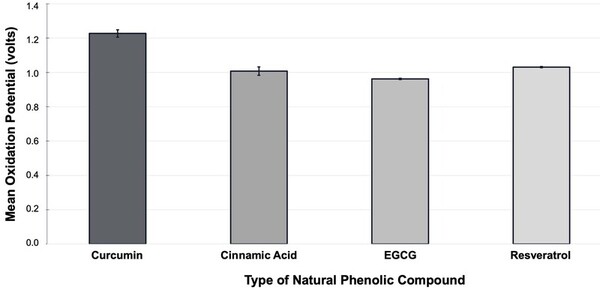
The authors looked at the potential of different phenolic compounds to reduce oxidative stress (i.e., act as antioxidants).
Read More...A five-year retrospective analysis of Tuberculosis risk factors and their variability in the United States
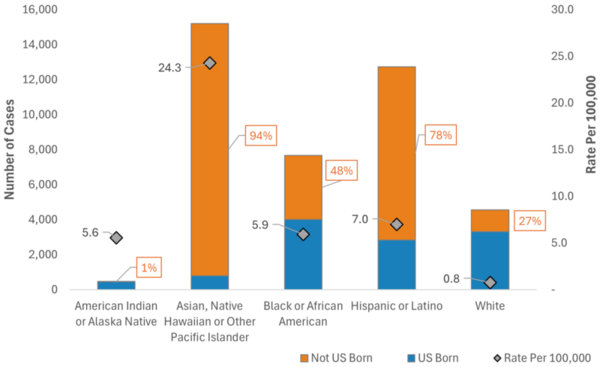
The main goal of this study is to determine what demographics are related to tuberculosis incidence in the United States populations, particularly if changing demographics are related to differences in tuberculosis risk over two discrete time periods. The major finding is that in the two studied time periods, tuberculosis risk factors were somewhat consistent and may be influenced by things such as immigration, healthcare access, and race or ethnicity, although the top predictor did change.
Read More...The effects of rocket travel and near-space environment on dried blood and blood plasma