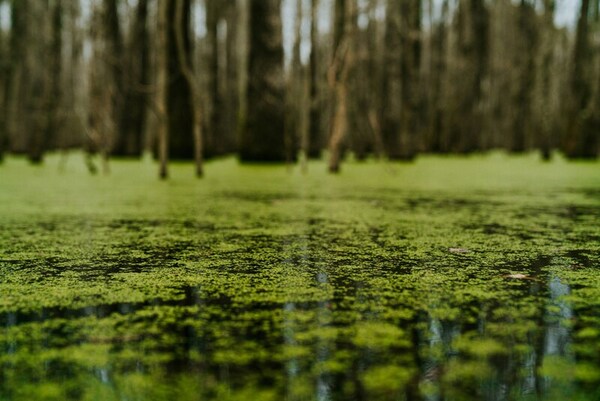
Using machine learning to predict the risk of algae bloom
Read More...Using two-step machine learning to predict harmful algal bloom risk
Using machine learning to predict the risk of algae bloom
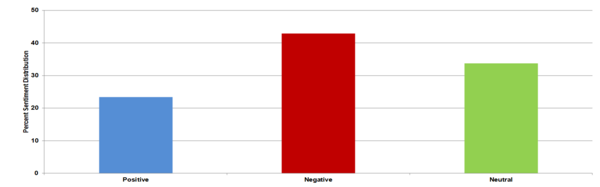
Read More...Using machine learning to understand social media discourse on the co-use of tobacco and cannabis
The authors used developed a machine learning tool for studying social media discourse surrounding use of tobacco and cannabis.
Read More...Determining viability of image processing models for forensic analysis of hair for related individuals
Here, the authors used machine learning to analyze microscopic images of hair, quantifying various features to distinguish individuals, even within families where traditional DNA analysis is limited. The Discriminant Analysis (DA) model achieved the highest accuracy (88.89%) in identifying individuals, demonstrating its potential to improve the reliability of hair evidence in forensic investigations.
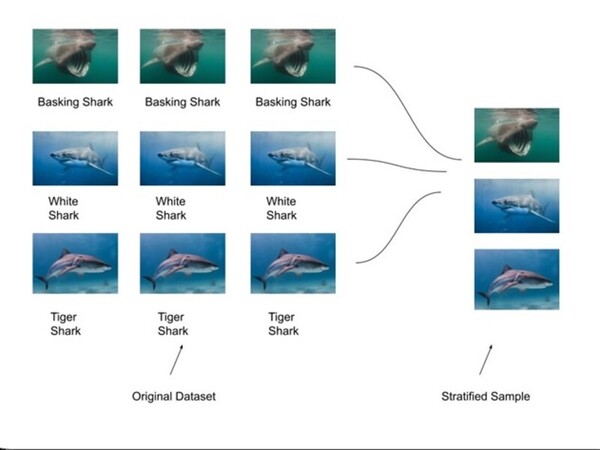
Read More...Identifying shark species using an AlexNet CNN model
The challenge of accurately identifying shark species is crucial for biodiversity monitoring but is often hindered by time-consuming and labor-intensive manual methods. To address this, SharkNet, a CNN model based on AlexNet, achieved 93% accuracy in classifying shark species using a limited dataset of 1,400 images across 14 species. SharkNet offers a more efficient and reliable solution for marine biologists and conservationists in species identification and environmental monitoring.
Read More...Cardiovascular Disease Prediction Using Supervised Ensemble Machine Learning and Shapley Values
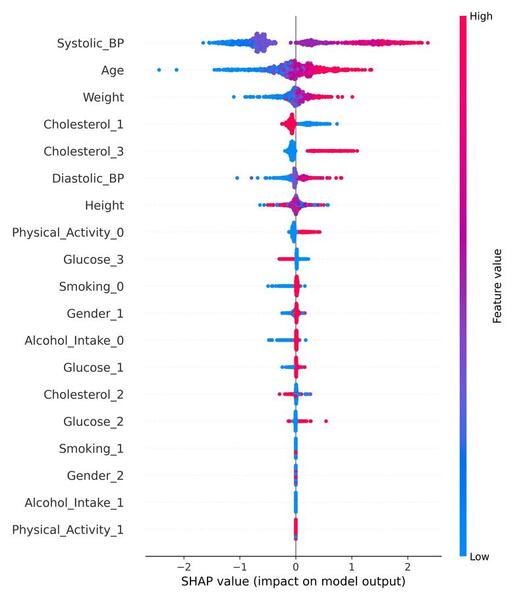
The authors test the effectiveness of machine learning to predict onset of cardiovascular disease.
Read More...A machine learning approach for abstraction and reasoning problems without large amounts of data
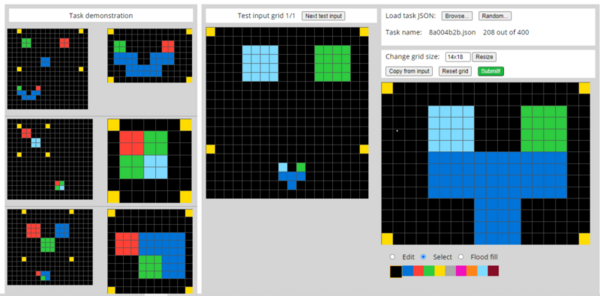
While remarkable in its ability to mirror human cognition, machine learning and its associated algorithms often require extensive data to prove effective in completing tasks. However, data is not always plentiful, with unpredictable events occurring throughout our daily lives that require flexibility by artificial intelligence utilized in technology such as personal assistants and self-driving vehicles. Driven by the need for AI to complete tasks without extensive training, the researchers in this article use fluid intelligence assessments to develop an algorithm capable of generalization and abstraction. By forgoing prioritization on skill-based training, this article demonstrates the potential of focusing on a more generalized cognitive ability for artificial intelligence, proving more flexible and thus human-like in solving unique tasks than skill-focused algorithms.
Read More...Comparative data analysis on the effect of socioeconomic factors on math proficiency
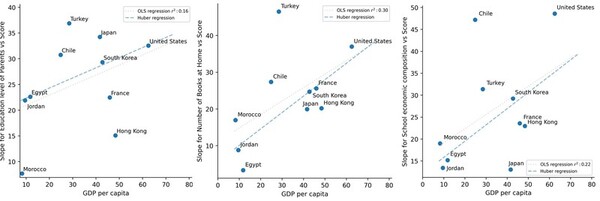
This study examines how socioeconomic status (SES) influences student mathematics achievement across countries by conducting multiple regression analyses to the Trends in International Mathematics and Science Study (TIMSS) 2019 dataset.
Read More...Using data science along with machine learning to determine the ARIMA model’s ability to adjust to irregularities in the dataset
Auto-Regressive Integrated Moving Average (ARIMA) models are known for their influence and application on time series data. This statistical analysis model uses time series data to depict future trends or values: a key contributor to crime mapping algorithms. However, the models may not function to their true potential when analyzing data with many different patterns. In order to determine the potential of ARIMA models, our research will test the model on irregularities in the data. Our team hypothesizes that the ARIMA model will be able to adapt to the different irregularities in the data that do not correspond to a certain trend or pattern. Using crime theft data and an ARIMA model, we determined the results of the ARIMA model’s forecast and how the accuracy differed on different days with irregularities in crime.
Read More...A Data-Centric Analysis of “Stop and Frisk” in New York City
The death of George Floyd has shed light on the disproportionate level of policing affecting non-Whites in the United States of America. To explore whether non-Whites were disproportionately targetted by New York City's "Stop and Frisk" policy, the authors analyze publicly available data on the practice between 2003-2019. Their results suggest African Americans were indeed more likely to be stopped by the police until 2012, after which there was some improvement.
Read More...Using satellite surface temperature data to monitor urban heat island
This manuscript investigates the urban heat island (UHI) effect by utilizing two satellite datasets: Landsat (high spatial resolution, lower temporal resolution) and MODIS (lower spatial resolution, high temporal resolution). The authors hypothesized that Landsat would provide better spatial detail, while MODIS would better capture temporal variations. Their analysis in the Washington D.C.–Baltimore region supports these hypotheses, demonstrating that Landsat offers finer spatial details, whereas MODIS provides more consistent seasonal patterns and better detects heatwave frequencies.
Read More...