Browse Articles

Evaluating need for adversarial training data given algorithmic defense methods against adversarial attacks

Yian et al. | Jul 05, 2026

Evaluating need for adversarial training data given algorithmic defense methods against adversarial attacks

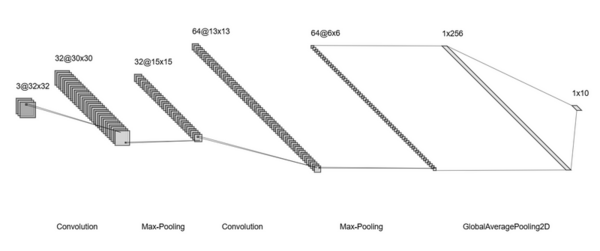
The purpose of this study was to determine the necessity of previous non-algorithmic attacks (Adversarial Training) in light of algorithmic defense methods (Gradient Masking and Defensive Distillation) against FGSM attacks. We found a significant increase in image classification accuracy from defense methods with the non-algorithmic defense method compared to ones without. By analyzing the significance with a McNemar test, we determined that the inclusion of non-algorithmic defense methods is still necessary in light of new algorithmic defense methods.

Read More...
Assessing machine learning model efficacy for brain tumor MRI classification: a multi-model approach

Dhingra et al. | Mar 14, 2026

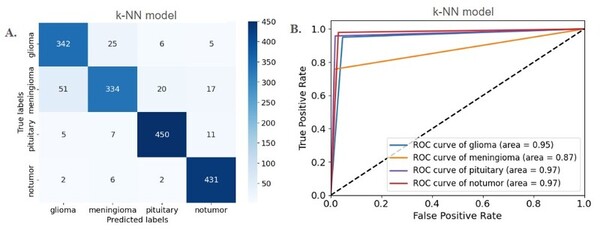
Assessing machine learning model efficacy for brain tumor MRI classification: a multi-model approach
Image credit: Dhingra and Dhingra

This manuscript explores the performance of five different machine learning models in classifying brain tumors from a dataset of MRI scans. The authors find that several of the models showed >90% accuracy. Thus, the authors suggest that machine learning models demonstrate potential for effective implementation in clinical settings, including as a diagnostic tool that can be used to complement the expertise of neuroradiologists.

Read More...

A machine learning approach for abstraction and reasoning problems without large amounts of data

Isik et al. | Jun 25, 2022

A machine learning approach for abstraction and reasoning problems without large amounts of data

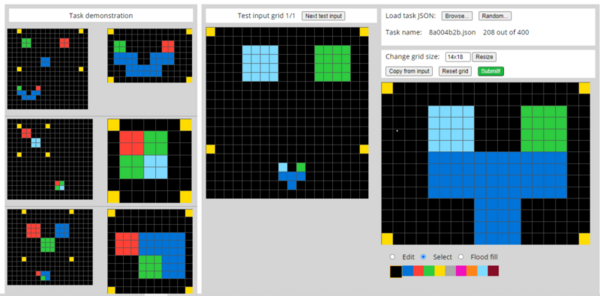
While remarkable in its ability to mirror human cognition, machine learning and its associated algorithms often require extensive data to prove effective in completing tasks. However, data is not always plentiful, with unpredictable events occurring throughout our daily lives that require flexibility by artificial intelligence utilized in technology such as personal assistants and self-driving vehicles. Driven by the need for AI to complete tasks without extensive training, the researchers in this article use fluid intelligence assessments to develop an algorithm capable of generalization and abstraction. By forgoing prioritization on skill-based training, this article demonstrates the potential of focusing on a more generalized cognitive ability for artificial intelligence, proving more flexible and thus human-like in solving unique tasks than skill-focused algorithms.

Read More...

Machine learning on crowd-sourced data to highlight coral disease

Narayan et al. | Jul 26, 2021

Machine learning on crowd-sourced data to highlight coral disease

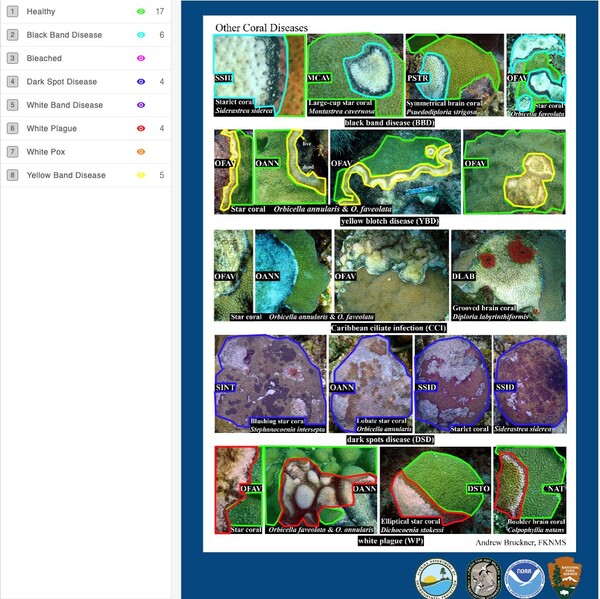
Triggered largely by the warming and pollution of oceans, corals are experiencing bleaching and a variety of diseases caused by the spread of bacteria, fungi, and viruses. Identification of bleached/diseased corals enables implementation of measures to halt or retard disease. Benthic cover analysis, a standard metric used in large databases to assess live coral cover, as a standalone measure of reef health is insufficient for identification of coral bleaching/disease. Proposed herein is a solution that couples machine learning with crowd-sourced data – images from government archives, citizen science projects, and personal images collected by tourists – to build a model capable of identifying healthy, bleached, and/or diseased coral.

Read More...

Demographic trends of alcohol and marijuana co-use: examining age, gender, and race/ethnicity trends

Ryoo et al. | Jul 05, 2026

Demographic trends of alcohol and marijuana co-use: examining age, gender, and race/ethnicity trends

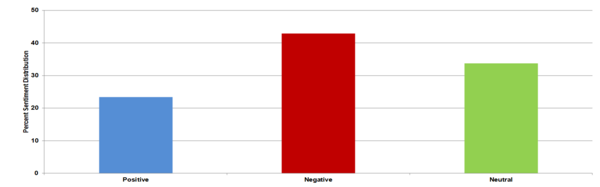
This study aims to examine the demographic factors that predict patterns of co-use of alcohol and marijuana in the United States. Significant findings were identified using data from the National Survey on Drug Use and Health (2012-2022), showing that there were significant differences in the prevalence of substance use among demographic groups, with young adults showing the highest co-use of alcohol and marijuana.

Read More...

Correlation between shutdowns and CO levels across the United States.

Gupta et al. | Dec 05, 2021

Correlation between shutdowns and CO levels across the United States.

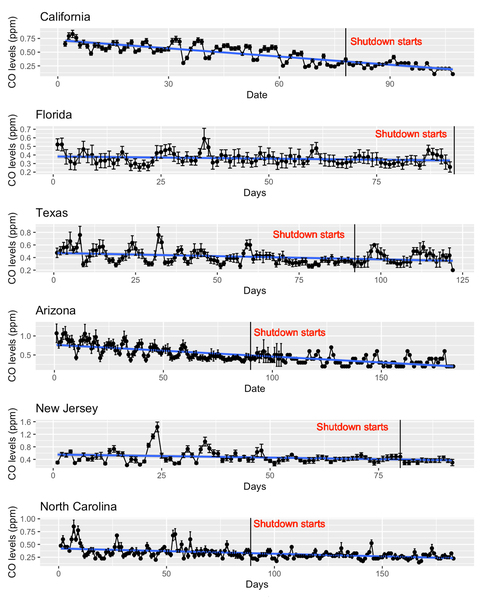
Concerns regarding the rapid spread of Sars-CoV2 in early 2020 led company and local governmental officials in many states to ask people to work from home and avoid leaving their homes; measures commonly referred to as shutdowns. Here, the authors investigate how shutdowns affected carbon monoxide (CO) levels in 15 US states using publicly available data. Their results suggest that CO levels decreased as a result of these measures over the course of 2020, a trend which started to reverse after shutdowns ended.

Read More...

Low female employment rates in South Korea are linked to the gender-specific burden of childrearing

Lee et al. | Aug 07, 2024

Low female employment rates in South Korea are linked to the gender-specific burden of childrearing
Image credit: Karolina Kaboompics

Female employment rates in South Korea are far below those of other countries that are members of the Organization for Economic Co-operation and Development. We assessed job satisfaction, job retention, and the underlying factors that impact these variables for both genders and various ages through a survey. Among 291 adult participants (161 women, 130 men) aged 20 to 59, working in various fields, 95% of responders were college graduates. These results suggest that even highly educated women feel more pressure from an innate sense of responsibility and societal perception to care for children than men.

Read More...

Application of gene therapy for reversing T-cell dysfunction in cancer

Hyun Lee et al. | Aug 25, 2022

Application of gene therapy for reversing T-cell dysfunction in cancer

Since cancer cells inhibit T-cell activity, the authors investigated a method to reverse T-cell disfunction with gene therapy, so that the T-cells would become effective once again in fighting cancer cells. They used the inhibition of proprotein convertases (PCSK1) in T cells and programmed death-ligand 1 (CD274) in cancer cells. They observed the recovery of IL-2 expression in Jurkat cells, with increased recovery noted in a co-culture sample. This study suggests a novel strategy to reactivate T cells.

Read More...