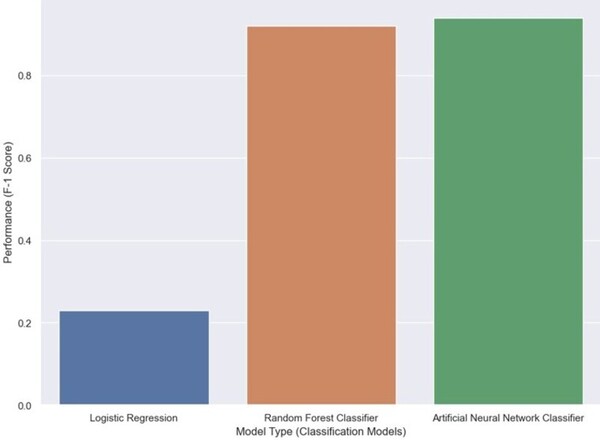
Staphylococcus aureus (S. aureus) has a mortality rate of up to 30% in developing countries. The purpose of this experiment was to determine if enzymatic and volatile compound-based approaches would perform more quickly in comparison to existing S. aureus diagnostic methods and to evaluate these novel methods on accuracy. Ultimately, this device provided results in less than 30 seconds, which is much quicker than existing methods that take anywhere from 10 minutes to 48 hours based on approach. Statistical analysis of accuracy provides preliminary confirmation that the device based on enzymatic and volatile compound-based approaches can be an accurate and time-efficient tool to detect pathogenic S. aureus.
This study contributes to our understanding of how urban energy systems respond to climate variability and inform strategies for enhancing power grid resilience. The findings can help inform urban planners and infrastructure developers by identifying the factors that make regions within a power grid more vulnerable.
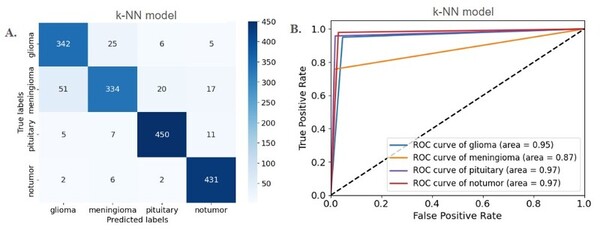
This manuscript explores the performance of five different machine learning models in classifying brain tumors from a dataset of MRI scans. The authors find that several of the models showed >90% accuracy. Thus, the authors suggest that machine learning models demonstrate potential for effective implementation in clinical settings, including as a diagnostic tool that can be used to complement the expertise of neuroradiologists.
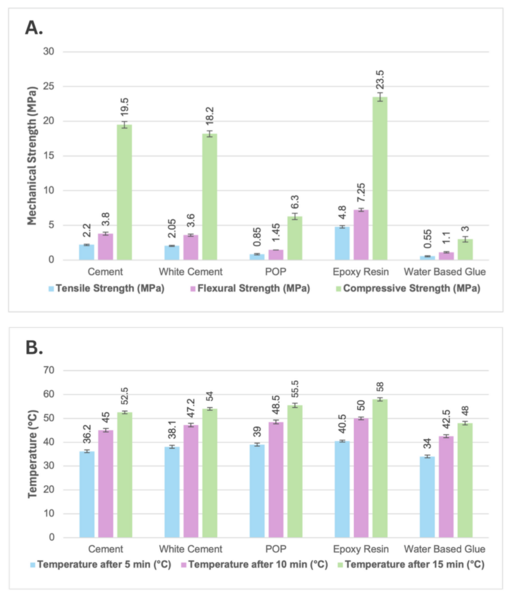
Textile waste from the fashion industry is a major environmental pollutant, but recycling waste into novel building material is a strategy to reduce the negative effects. This manuscript characterized five different binders that can be used to repurpose textile waste into bricks for construction purposes. Water-based glue, cement, white cement, plaster of Paris, and epoxy resin were mixed with shredded textile waste, and the mechanical characteristics and thermal insulation of each brick type were measured. Bricks with increased mechanical strength had the poorest thermal resistance, and the contrasting properties would suit different building purposes. This work provides a first step in generating recycled textile bricks for construction in a circular economy framework.
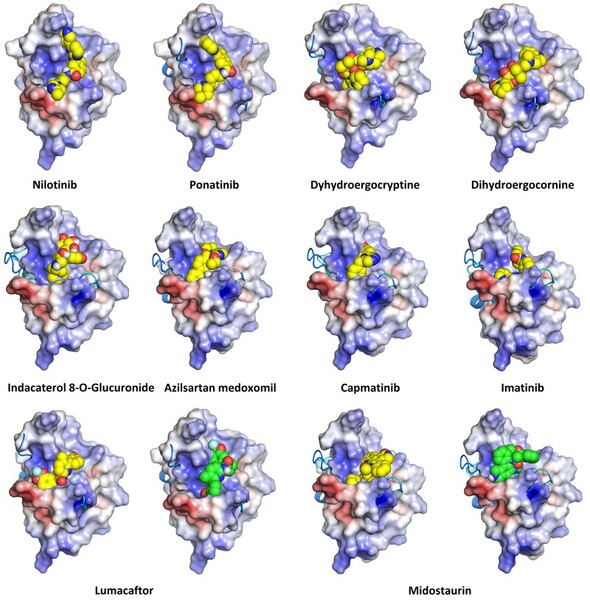
Molecules which bind to proteins that aggregate abnormally in neurodegenerative diseases could be promising drugs for these diseases. In this study, Zhang, Wu, Zhang, and Dang simulate the binding behavior of various molecules to screen for candidates which could be promising candidates for drug development.
Here, the authors chose to investigate the efficacy of zinc oxide nanoparticles (ZnO NPs) and cisplatin or zinc ions in inducing cancer apoptosis. While both treatments were found to reduce the proliferation of lung cancer cells, the authors suggest that further studies to identify the mechanism are necessary.
This study follows the process of single-cloning and the growth of a homogeneous cell population in a superficial environment over the course of six weeks with the end goal of showing which of five tumor growth models commonly used to predict heterogeneous cancer cell population growth (Exponential, Logistic, Gompertz, Linear, and Bertalanffy) would also best exemplify that of homogeneous cell populations.
Vibrato, defined as a rapid and subtle oscillation in pitch, is a technique that is commonly used by musicians to add expression and colour to notes. However, on stringed instruments, there are certain notes (open string notes) on which it is impossible to perform the technique. Without vibrato, they can sound angular and unpleasant, especially when juxtaposed against other notes played with vibrato. String players therefore use an alternative to achieve the same vibrato effect on the open string — a technique referred to as “open string vibrato”. While the technique is widely used, it is unknown how much of a physical effect it has on the sound waves produced, if any at all. The purpose of this study is to analyse open string vibrato using a statistical approach to provide evidence to characterize the physical effect of the technique, and then compare it to normal vibrato. We hypothesised that it would have a noticeable and measurable effect on the sound waves produced because of the technique’s widespread usage. To test this, notes, with and without either open string vibrato or normal vibrato, were recorded on the violin. We analyzed the audio recordings using a computational and statistical approach. The results of the study partially agreed with our hypothesis: while the technique has an observable physical effect on the sound waves, the effect is weaker than expected. We concluded that open string vibrato does work, but has quite a subtle effect, and thus should only be used when there is no other option.