Browse Articles

The effect of bioenhancers on ampicillin-sulbactam as a treatment against A. baumannii

Balaji et al. | Sep 21, 2024

The effect of bioenhancers on ampicillin-sulbactam as a treatment against <i>A. baumannii<i>

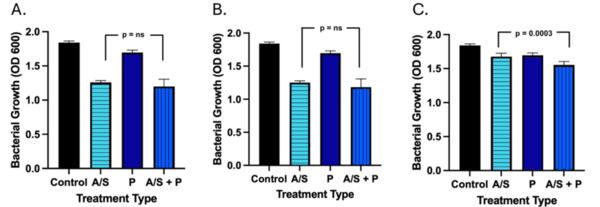
This article explores the potential of piperine, a bioenhancer from black pepper, to improve antibiotic efficacy against antibiotic-resistant Acinetobacter baumannii. By combining piperine with ampicillin-sulbactam, the study demonstrated a significant reduction in bacterial growth for most strains tested, showcasing the promise of bioenhancers in combating resistant pathogens. This research highlights the possibility of reducing the required antibiotic dosage, potentially offering a new strategy in the fight against drug-resistant bacteria.

Read More...

Analysis of ultraviolet light as a bactericide of gram-negative bacteria in Cladophora macroalgae extracts

Newell et al. | Nov 07, 2022

Analysis of ultraviolet light as a bactericide of gram-negative bacteria in <em>Cladophora</em> macroalgae extracts

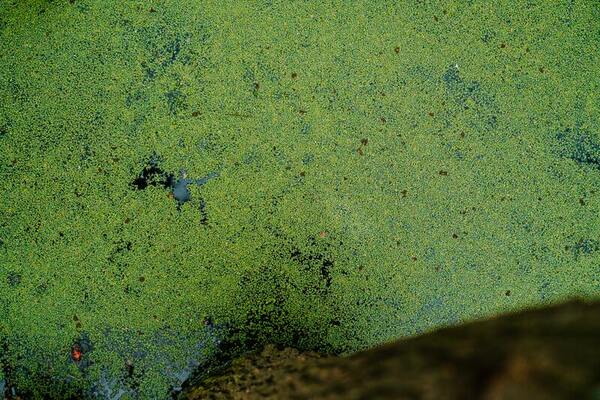
Here, the authors sought to use Cladophora macroalgae as a possible antibiotic to address the growing threat of antibiotic resistance in pathogenic bacteria. However, when they observed algae extracts to be greatly contaminated with gram-negative bacteria, they adapted to explore the ability to use ultraviolet light as a bactericide. They found that treatment with ultraviolet light had a significant effect.

Read More...

Evaluating cinnamaldehyde as an antibacterial agent in a produce wash for leafy greens

Drennan et al. | Oct 28, 2021

Evaluating cinnamaldehyde as an antibacterial agent in a produce wash for leafy greens

Recognizing a growing demand for organic produce, the authors sought to investigate plant-based antibiotic solutions to meet growing consumer demand for safe produce and also meet microbial standards of the USDA. The authors investigated the use of cinnamaldehyde as an antibacterial again E. coli, finding that lettuce treated with cinnamaldehyde displayed significantly lower colony-forming units of E. coli when compared to lettuce treated with chlorine bleach.

Read More...

The Development of a Highly Sensitive Home Diagnosis Kit for Group A Streptococcus Bacteria (GAS)

Mai et al. | Dec 05, 2018

The Development of a Highly Sensitive Home Diagnosis Kit for Group A Streptococcus Bacteria (GAS)

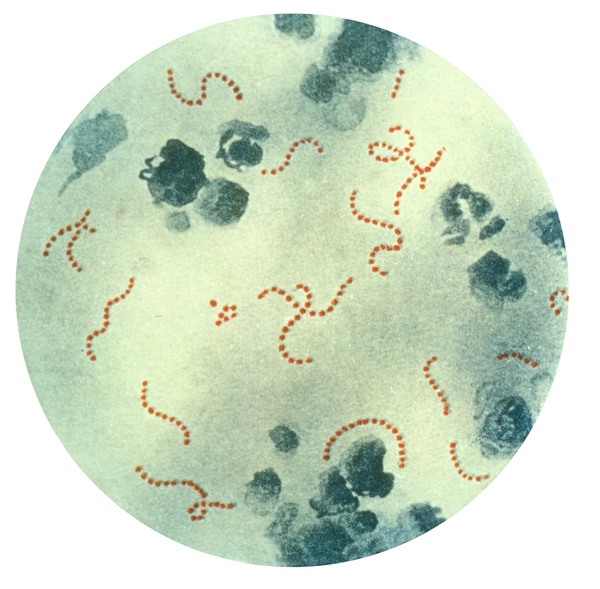
In this article, Mai et al. have developed a do-it-yourself kit for the detection of Strep A bacterial infections. While Strep A infections require antibiotic administration, viral infections, which can present with similar symptoms, often resolve on their own. The problem with delayed antibiotic treatment is an increasing risk of complications. Currently an accurate diagnosis requires that patients make the trip to the hospital where sensitive tests can be performed. The method described here, bundled into a commercially available kit, could help speed up the identification of such bacterial infections. When presented with symptoms of a sore throat and fever, you could just buy the kit at your local pharmacy, perform the simple yet highly accurate and sensitive test, and know whether an urgent trip to the doctor's for an antibiotic prescription is necessary. How convenient!

Read More...

A new therapy against MDR bacteria by in silico virtual screening of Pseudomonas aeruginosa LpxC inhibitors

Liu et al. | Apr 27, 2022

A new therapy against MDR bacteria by <em>in silico</em> virtual screening of <em>Pseudomonas aeruginosa</em> LpxC inhibitors

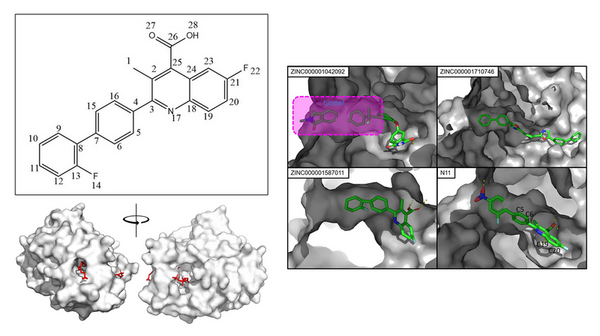
Here, seeking to address the growing threat of multidrug-resistant bacteria (MDR). the authors used in silico virtual screening to target MDR Pseudomonas aeruginosa. They considered a key protein in its biosynthesis and virtually screened 20,000 candidates and 30 derivatives of brequinar. In the end, they identified a possible candidate with the highest degree of potential to inhibit the pathogen's lipid A synthesis.

Read More...

The Effect of Neem on Common Nosocomial Infection-Causing Organisms

Shah et al. | Jan 27, 2020

The Effect of Neem on Common Nosocomial Infection-Causing Organisms

Nosocomial infections acquired in hospitals pose a risk to patients, a risk compounded by resistant microorganisms. To combat this problem, researchers have turned to bioactive compounds from medicinal plants such as the widely used neem. In the present study, researchers sought to determine the effectiveness of different neem preparations against several hospital acquired human pathogens. Neem powder in water successfully inhibited microorganism growth making it a potential agent to combat these infections.

Read More...