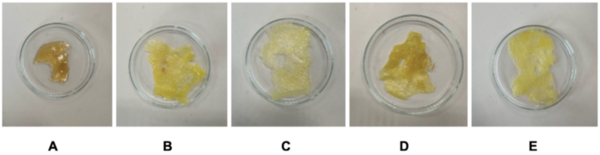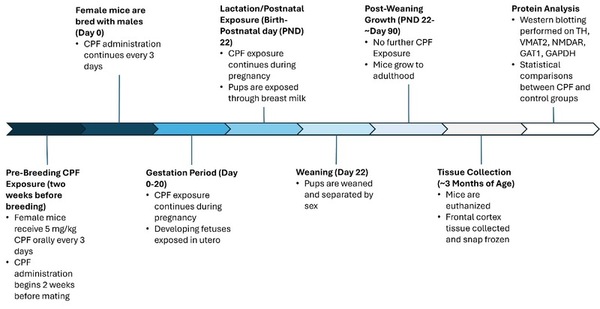
The authors test the effect of insecticide exposure on mouse neurodevelopment.
Read More...Chlorpyrifos exposure in mice leads to altered expression of key neurodevelopmental proteins
The development of FeO(OH) nanoparticles to extract synthetic motor oil from freshwater
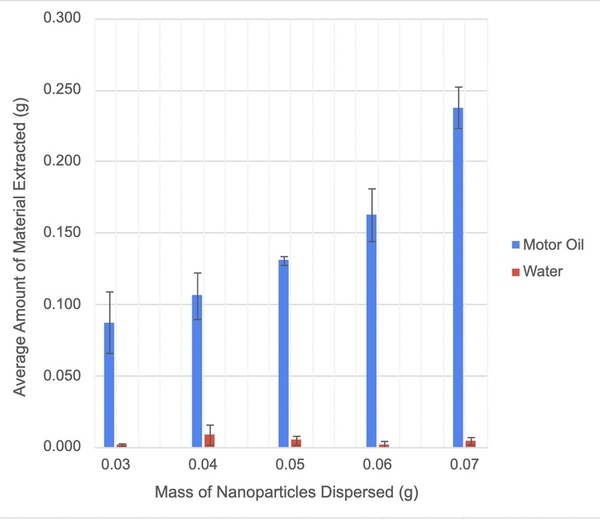
This study aimed to combat widespread hydrocarbon residue persistently polluting global water sources by developing and testing the ability of modified iron(III) oxide-hydroxide (FeO(OH)) nanoparticles to remove small amounts of motor oil from freshwater
Read More...The effect of natural phenolic compounds on reducing oxidative stress
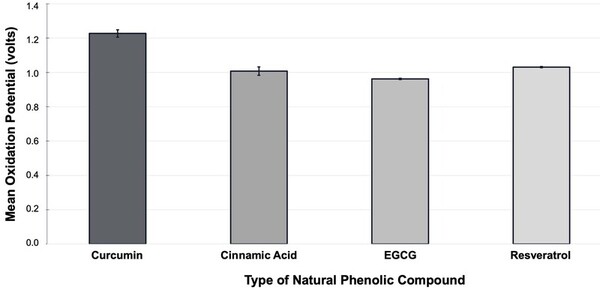
The authors looked at the potential of different phenolic compounds to reduce oxidative stress (i.e., act as antioxidants).
Read More...Silver armor against bacteria: A battle of antimicrobial effectiveness
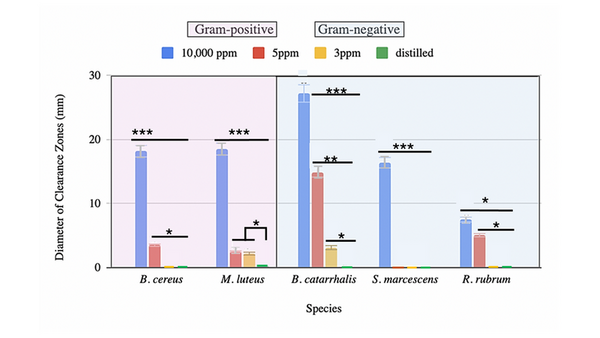
Pathogenic bacteria cause major economic losses in agriculture, and widespread antibiotic use has led to increasing resistance. This study tested whether a low-cost DIY method could produce antibacterial colloidal silver effective against both Gram-negative and Gram-positive plant pathogens.
Read More...A comparison of starches and plasticizers for biopolymer synthesis and degradation
Development of novel biodegradable bioplastics for packaging film using mango peels

Here the authors explored the development of biodegradable bioplastic films derived from mango peels as a sustainable solution to plastic pollution and greenhouse gas emissions from fruit waste. They optimized the film's mechanical properties and water resistance through adjusting processing conditions and incorporating plasticizers and a hydrophobic coating, ultimately demonstrating its potential as a bacteriostatic and biodegradable alternative to conventional plastic food wrap.
Read More...Minimizing distortion with additive manufacturing parts using Machine Learning
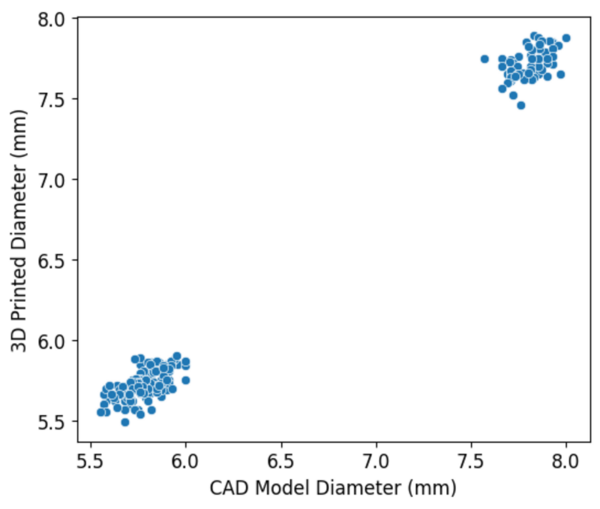
This study explores how to predict and minimize distortion in 3D printed parts, particularly when using affordable PLA filament. The researchers developed a model using a gradient boosting regressor trained on 3D printing data, aiming to predict the necessary CAD dimensions to counteract print distortion.
Read More...Utilizing sorbitol to improve properties of cellulose-based biodegradable hydrogels
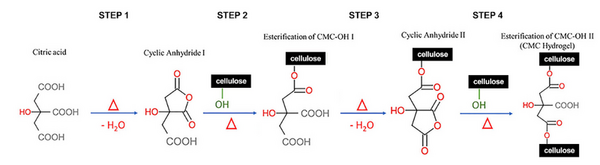
Hydrogels are commonly used in medicine, pharmaceuticals, and agriculture. Hydrogels absorb water by swelling and re-release this water by diffusion. This study sought to synthesize a biodegradable, cellulose-based hydrogel that is more effective at absorbing and re-releasing water than those produced by current methods. We tested the compressive strength of both the dry and swollen gels and the tensile strength of the swollen gels to elucidate the gel structure.
Read More...An alternative to textile dyes: Synthesizing and applying PMMA nanoparticles to create structural coloration
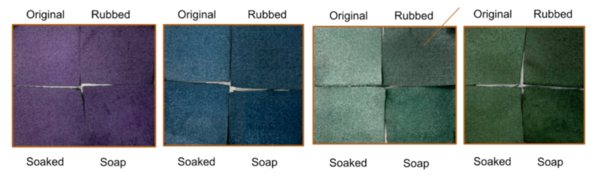
The authors looked at developing a PMMA nanoparticle fabric dye that would be more sustainable compared to traditional fabric dyes. They were able to create PMMA based dyes in different colors that were also durable (i.e., did not fade quickly on fabric).
Read More...Synthetic auxin’s effect on root hair growth and peroxisomes in Arabidopsis thaliana
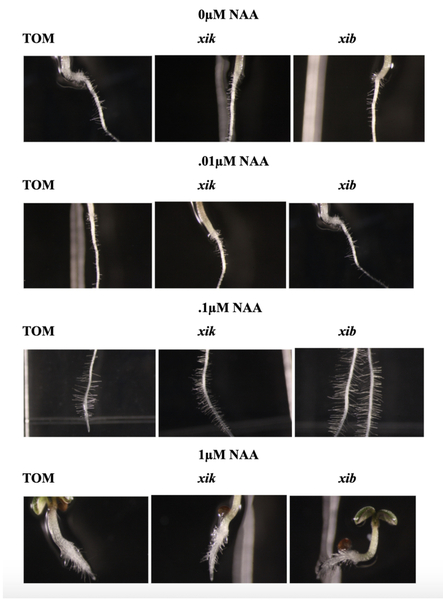
The authors looked at the ability of synthetic auxin to increase root hair growth in Arabidopsis thaliana. They found that 0.1 µM synthetic auxin significantly increased root hair length, but that 0.01 µM and 1 µM did not have any significant effect.
Read More...