Browse Articles

An analysis of the mechanical properties of fencing swords, and implications for weapon selection

Redmond et al. | Aug 24, 2026

An analysis of the mechanical properties of fencing swords, and implications for weapon selection
Image credit: Jonathan Falcon

The sword is the most important piece of equipment a fencer uses. In this study, we compared the mechanical and physical properties of two of the most common types of swords used in foil fencing.We that found that maraging steel blades had a significantly greater stiffness and were damped more effectively than low carbon steel blades. These properties affect how the blade behaves during particular maneuvers and techniques, and our findings therefore provide useful insights for fencers who want to select the optimal sword configuration to suit their personal style.

Read More...
A study of Syrian students' migration motivations, destinations, and return intentions in a time of crisis

Merjaneh et al. | Apr 16, 2026

A study of Syrian students' migration motivations, destinations, and return intentions in a time of crisis
Image credit: Aaron Burden, 2017

This study investigates the migration intentions of Syrian high school and university students amid ongoing conflict and economic instability. Drawing on survey data, the research examines how academic stage influences migration motivations, preferred destinations, and return intentions. The findings reveal a widespread desire to emigrate, driven by educational, economic, and security concerns, highlighting significant implications for Syria’s future workforce and post-conflict recovery.

Read More...

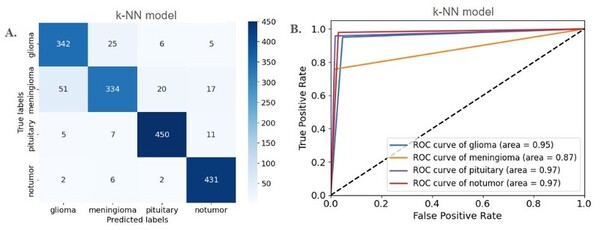
Assessing machine learning model efficacy for brain tumor MRI classification: a multi-model approach

Dhingra et al. | Mar 14, 2026

Assessing machine learning model efficacy for brain tumor MRI classification: a multi-model approach
Image credit: Dhingra and Dhingra

This manuscript explores the performance of five different machine learning models in classifying brain tumors from a dataset of MRI scans. The authors find that several of the models showed >90% accuracy. Thus, the authors suggest that machine learning models demonstrate potential for effective implementation in clinical settings, including as a diagnostic tool that can be used to complement the expertise of neuroradiologists.

Read More...