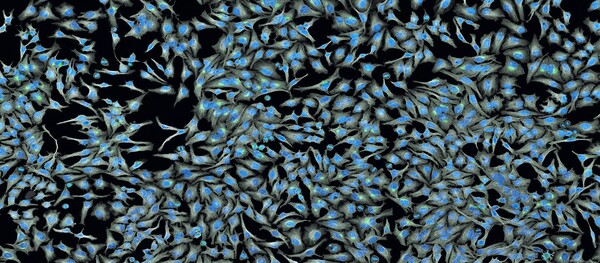
In this study, the authors investigate the anti-cancer effects of Annona Reticulata (Ramphal or custard apple) by testing whether its extract could inhibit HeLa cell viability.
Read More...Phytochemical analysis of Annona Reticulata extract and an in-vitro study on its anti-proliferative effects
In this study, the authors investigate the anti-cancer effects of Annona Reticulata (Ramphal or custard apple) by testing whether its extract could inhibit HeLa cell viability.
Read More...Statistically Analyzing the Effect of Various Factors on the Absorbency of Paper Towels
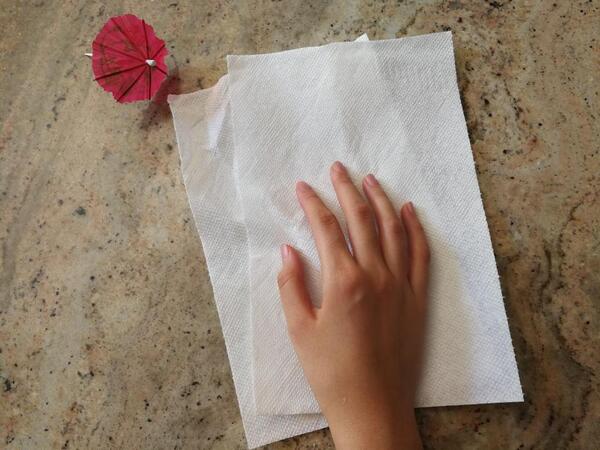
In this study, the authors investigate just how effectively paper towels can absorb different types of liquid and whether changing the properties of the towel (such as folding it) affects absorbance. Using variables of either different liquid types or the folded state of the paper towels, they used thorough approaches to make some important and very useful conclusions about optimal ways to use paper towels. This has important implications as we as a society continue to use more and more paper towels.
Read More...Developing a Method to Remove Inorganic Arsenic from Rice with Natural Substances
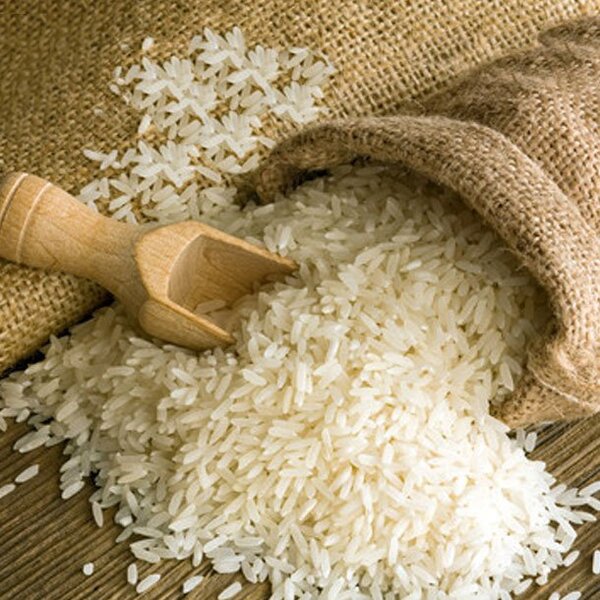
In this study, the authors tested different approaches for removing arsenic from rice. Due to higher arsenic levels in water, some areas grow rice with higher levels as well. This is a health hazard and so developing methods to remove arsenic from the rice will be helpful to many. Using a rapid arsenic kit, the authors found that activated charcoal was the most effective at removing arsenic from rice.
Read More...Assessing the Efficacy of NOX Enzyme Inhibitors as Potential Treatments for Ischemic Stroke in silico
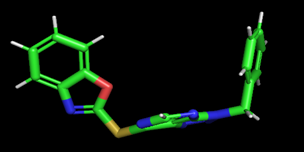
Ischemic stroke occurs when blood flow to the brain is interrupted, causing brain damage. This study investigated the effectiveness of different NOX inhibitors as treatments for ischemic stroke in silico. The results help corroborate previous in vivo and in vitro studies in an in silico format, and can be used towards developing drugs to treat ischemic stroke.
Read More...Determining the Contribution of Osmotic Stress to the Antibacterial Properties of Honey
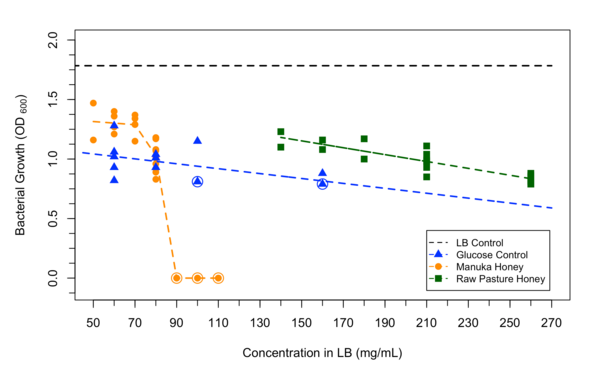
Honey possesses distinctive antimicrobial properties; however, it is unknown which compounds in honey are responsible for these properties. In this research study, Abdel-Azim et al. examine the role of osmotic stress in honey and the antibacterial efficacy of both Manuka and raw pasture honey.
Read More...A Novel Method for Auto-Suturing in Laparoscopic Robotic-Assisted Coronary Artery Bypass Graft (CABG) Anastomosis
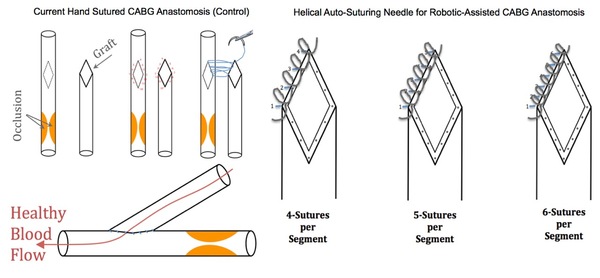
Levy & Levy tackle the optimization of the coronary artery bypass graft, a life-saving surgical technique that treats artery blockage due to coronary heart disease. The authors develop a novel auto-suturing method that saves time, allows for an increased number of sutures, and improves graft quality over hand suturing. The authors also show that increasing the number of sutures from four to five with their new method significantly improves graft quality. These promising findings may help improve outcomes for patients undergoing surgery to treat coronary heart disease.
Read More...Don’t Waste the Medical Waste: Reducing Improperly Classified Hazardous Waste in a Medical Facility
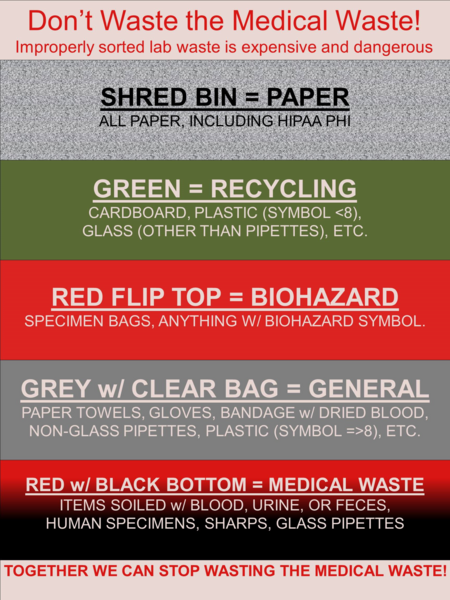
Hemani et al. tackled the problem of rampant hospital waste by implementing staff training to help inform hospital workers about proper waste disposal. The authors observed a significant increase in proper waste disposal after the training, showing that simple strategies, such as in-person classroom training and posters, can have a profound effect on limiting improper waste handling.
Read More...Vitamin C in Fruits: Does Organic Make a Difference?
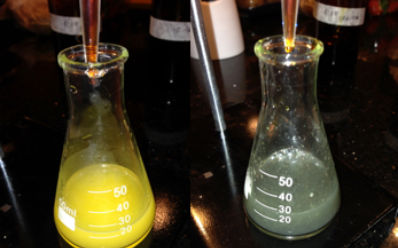
Vitamin C is an essential nutrient that is involved in many important cellular processes. Humans are unable to produce Vitamin C and thus must obtain it from exogenous sources such as citrus fruits, peppers, or flowering vegetables. In this study, the authors investigate whether or not organic and non-organic fruits have comparable vitamin C levels. This type of study has important implications for consumers.
Read More...Isolation of Microbes From Common Household Surfaces
Microorganisms such as bacteria and fungi live everywhere in the world around us. The authors here demonstrate that these predominantly harmless microbes can be isolated from many household locations that appear "clean." Further, they test the cleaning power of 70% ethanol and suggest that many "clean" surfaces are not in fact "sterile."
Read More...The effect of pH levels on the growth rate of diatoms

Here the authors investigated how climate change-induced ocean acidification may impact harmful micro algae such as diatoms that produce large amounts of oxygen in the atmosphere and serve as important food sources for other marine organisms. They evaluated diatom growth rates at current seawater pH levels (8.1) alongside reduced pH levels (7.5 and 6.8). The findings indicate that while diatoms maintain steady growth under moderate acidification (pH 7.5), severe acidification down to pH 6.8 significantly limits their ability to adapt and thrive.
Read More...