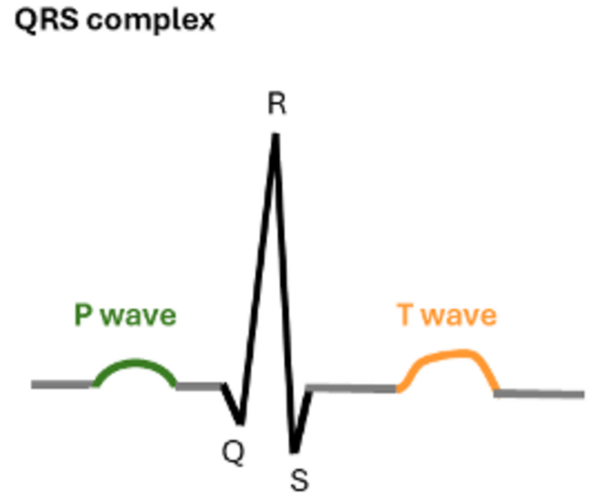
Arrhythmias vary in type and treatment, and ECGs are used to detect them, though human interpretation can be inconsistent. The researchers tested four tree-based algorithms (gradient boosting, random forest, decision tree, and extra trees) on ECG data from over 10,000 patients.
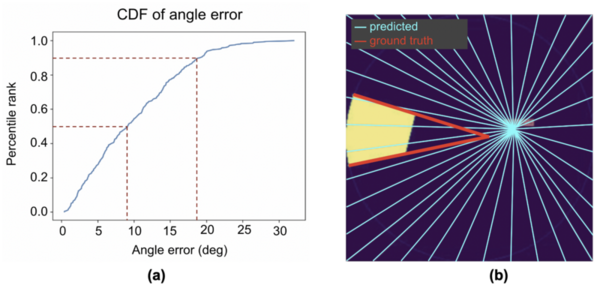
Robot-assisted minimally invasive surgery (RMIS) benefits from increased precision and faster recovery, with force feedback from the surgical tool being critical for control. Researchers tested the use of neural networks for detecting the vanishing point of the tool, a key element for force feedback.
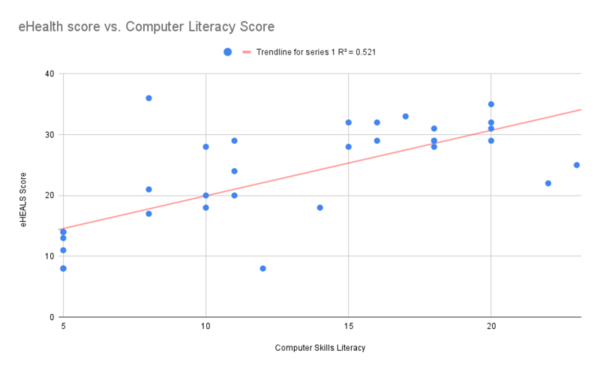
As digital tools become more prevalent in medicine, the ability for individuals to understand and take actions based on what they read on the internet is crucial. eHealth literacy is defined as as the ability to seek, find, understand, and evaluate health information from electronic sources and apply the knowledge gained to addressing or solving a health problem. In general, Americans have low eHealth literacy rates. However, limited research has been conducted to understand the eHealth literacy level among older Chinese adult immigrants in the U.S. To determine the eHealth literacy of elderly Chinese immigrants, we sent out an eHealth survey and relevant computer skills survey using a modified version of the eHEALS (eHealth Literacy Scale) health literacy test. We hypothesized that elders who consumed more electronic health content would have a higher eHealth literacy score. The results of this survey showed that there was a positive correlation between the frequency of electronic health information consumption and the participant's eHealth literacy rate. In addition, the results of our computer literacy test show that the frequency of consumption and computer literacy are positively correlated as well. There is a strong positive correlation between the level of computer skills and eHealth literacy of participants. These results reveal possible steps individuals can take to reduce health misinformation and improve their own health by attaining, understanding, and taking action on health material on the internet.
Here, seeking to identify an optimal method to classify tree species through remote sensing, the authors used a few machine learning algorithms to classify forest tree species through multispectral satellite imagery. They found the Random Forest algorithm to most accurately classify tree species, with the potential to improve model training and inference based on the inclusion of other tree properties.
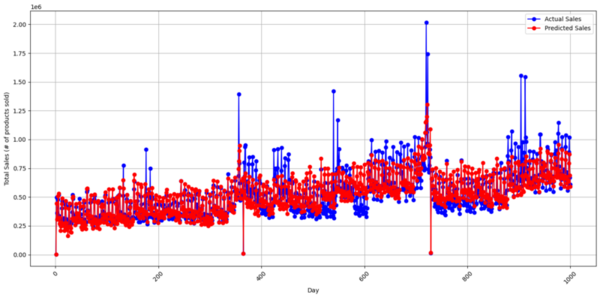
This study uses interpretable machine learning models, lasso and ridge regression with Shapley analysis, to identify key sales drivers for Corporación Favorita, Ecuador’s largest grocery chain. The results show that macroeconomic factors, especially labor force size, have the greatest impact on sales, though geographic and seasonal variables like city altitude and holiday proximity also play important roles. These insights can help businesses focus on the most influential market conditions to enhance competitiveness and profitability.
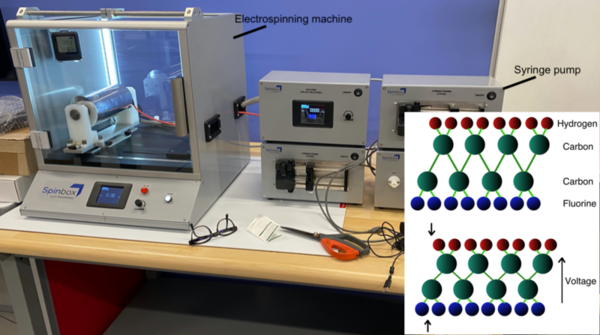
Here, seeking to develop an understanding of the properties that determine the viability of piezoelectric flexible materials for applications in electro-mechanical sensors, the authors investigated the effects of the inclusion BaTiO3 nanoparticles in electrospun Polyvinyledene Fluoride. They found the voltage generated had a piecewise linear dependence on the applied force at a few temperatures.
Food spoilage happens when food is not kept in a good storage condition. Qualitatively estimating the shortened shelf life of food could reduce food waste. In this study, we tested the impact of heat on milk shelf life. Our results showed that an exposure at room temperature (25°C) for 3.2 hours will decrease the shelf life of milk by one day.
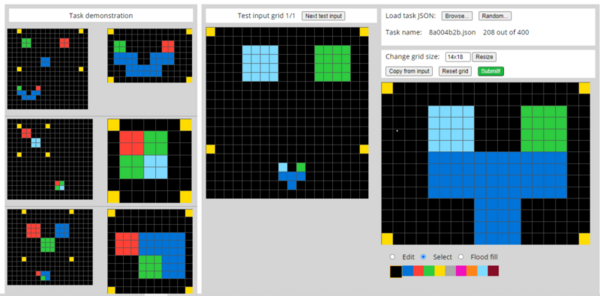
While remarkable in its ability to mirror human cognition, machine learning and its associated algorithms often require extensive data to prove effective in completing tasks. However, data is not always plentiful, with unpredictable events occurring throughout our daily lives that require flexibility by artificial intelligence utilized in technology such as personal assistants and self-driving vehicles. Driven by the need for AI to complete tasks without extensive training, the researchers in this article use fluid intelligence assessments to develop an algorithm capable of generalization and abstraction. By forgoing prioritization on skill-based training, this article demonstrates the potential of focusing on a more generalized cognitive ability for artificial intelligence, proving more flexible and thus human-like in solving unique tasks than skill-focused algorithms.
Seeking to investigate eco-friendly biological methods to control weeds and enhance food crop yields, here the authors considered the effects of three essential oils on seed germination and radicle length of both a weed and a common crop. They found that treatment with turmeric oil had phytotoxic potential, leading to a reduction in both seed germination and radicle length of the weed. In contrast, ginger oil possessed allelopathic properties towards both. The authors suggest that essential oils could be used as eco-friendly bio-herbicides.
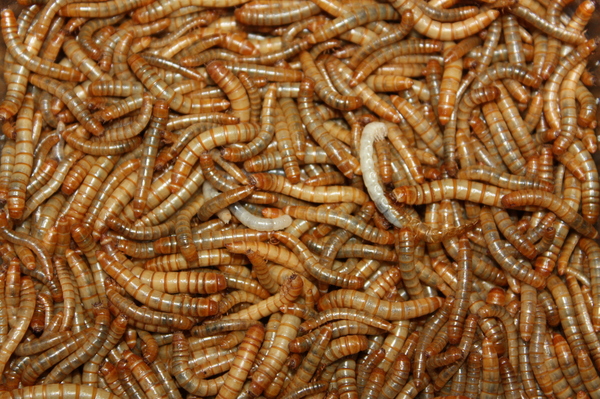
Expanded polystyrene (EPS) is a plastic used to make food containers and packing materials that poses a threat to the environment. Mealworms can degrade EPS, but at a slow rate. Here, researchers assessed the impact of food waste compost and oats on the speed of EPS consumption by mealworms, superworms, and waxworms. A positive correlation was found between food waste compost supplementation and EPS consumption, especially by mealworms, indicating a potential industrial application.