Browse Articles

A new hybrid cold storage material

Zhang et al. | Jun 05, 2022

A new hybrid cold storage material

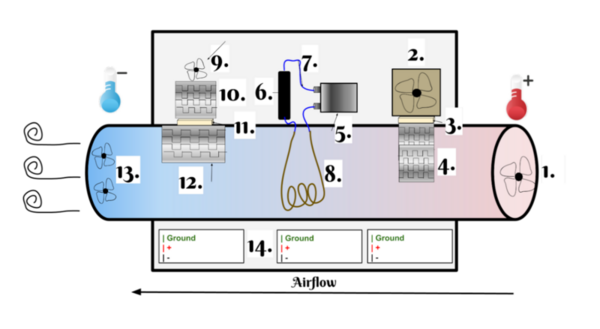
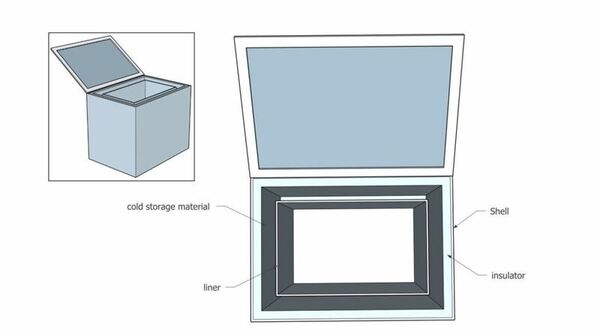
With low-temperature transportation being critical for the progress of research and medical services by preserving biological samples and vaccines, the optimization of cold storage materials is more critical now than ever. The exclusive use of dry ice has its limitations. Notably, it proves insufficient for cold storage during long-range transportation necessary for the delivery of specimens to rural areas. In this article, the authors have proposed a new means of cold storage through the combination of dry ice and ethanol. Upon thorough analysis, the authors have determined their new method as considerably better than the use of pure dry ice across many characteristics, including cold storage capacity, longevity of material, and financial and environmental feasibility.

Read More...


Pollination Patterns by Green-Backed Firecrown Hummingbirds

Freeland et al. | May 28, 2020

Pollination Patterns by Green-Backed Firecrown Hummingbirds

The Green-backed Firecrown hummingbird is an essential pollinator in the temperate rainforests of southern South America. However, little is known about the ecology of these birds. Authors examined the foraging patterns of these birds identifying interesting differences in foraging patterns among season, age and sex.

Read More...

Importance of pay on job satisfaction

Ravi et al. | Mar 25, 2025

Importance of pay on job satisfaction

Pay is a widely debated factor in workplace motivation, influencing both incentives and job satisfaction. This work analyzed employee reviews across various industries to examine the relationship between pay importance and job satisfaction. Findings suggest that job satisfaction decreases as the importance of pay increases, particularly in construction, food, and finance industries, as well as among entry-level and experienced workers, though the results were not statistically significant.

Read More...

Genetic Bioaugmentation of Oryza sativa to Facilitate Self-Detoxification of Arsenic In-Situ

Bhat et al. | Dec 03, 2024

Genetic Bioaugmentation of Oryza sativa to Facilitate Self-Detoxification of Arsenic In-Situ

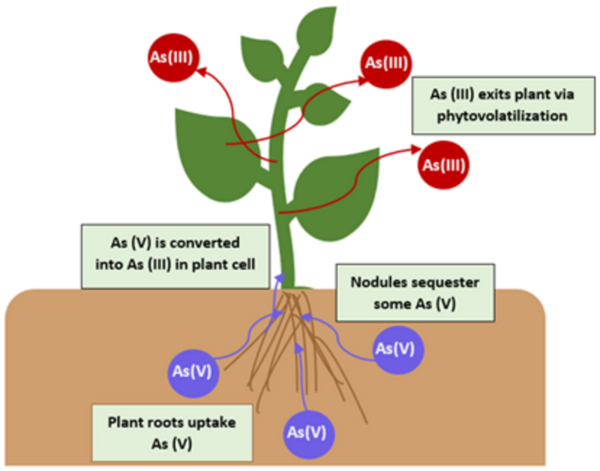
Arsenic contamination in rice, caused by the use of arsenic-laden groundwater for irrigation, is a growing global concern, affecting over 150 million people. To address this, researchers hypothesized that genetically modifying rice plants with arsenic-resistant genes could reduce arsenic uptake and allow the plants to detoxify arsenic, making them safer to consume.

Read More...