Browse Articles

A five-year retrospective analysis of Tuberculosis risk factors and their variability in the United States

Kini et al. | Mar 14, 2026

A five-year retrospective analysis of Tuberculosis risk factors and their variability in the United States
Image credit: Kini, Diaz Gaviria, Diaz, and Kini

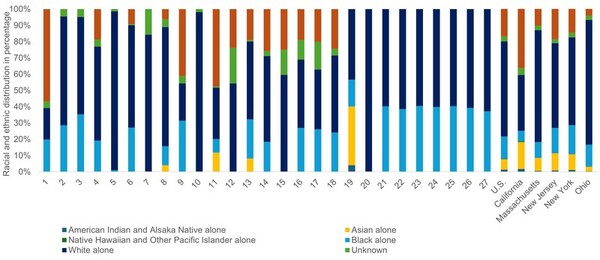
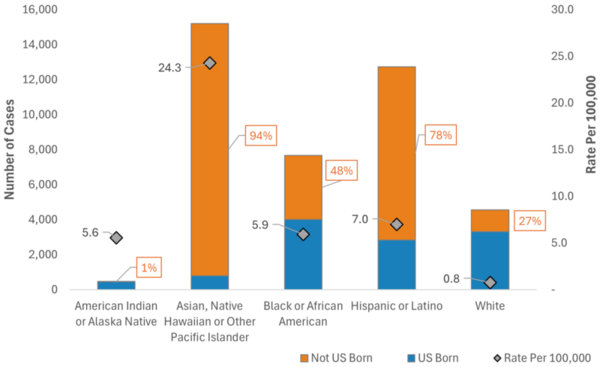
The main goal of this study is to determine what demographics are related to tuberculosis incidence in the United States populations, particularly if changing demographics are related to differences in tuberculosis risk over two discrete time periods. The major finding is that in the two studied time periods, tuberculosis risk factors were somewhat consistent and may be influenced by things such as immigration, healthcare access, and race or ethnicity, although the top predictor did change.

Read More...

Implication of education levels on gender wage gap across states in the United States and Puerto Rico

Dash et al. | Apr 16, 2025

Implication of education levels on gender wage gap across states in the United States and Puerto Rico

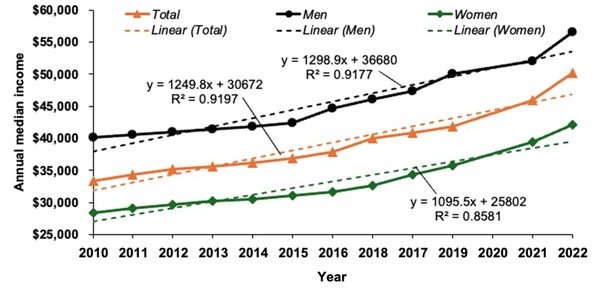
Here the authors examined the relationship between education levels and the gender wage gap (GWG) in the US and Puerto Rico from 2010 to 2022, hypothesizing that higher education would correlate with a lower GWG. Their analysis of income data revealed an inverse correlation, where higher education levels were associated with reduced gender wage disparities, suggesting that policies aimed at closing the gender gap in higher education could promote socioeconomic equality.

Read More...

Machine learning for retinopathy prediction: Unveiling the importance of age and HbA1c with XGBoost

Ramachandran et al. | Sep 05, 2024

Machine learning for retinopathy prediction: Unveiling the importance of age and HbA1c with XGBoost

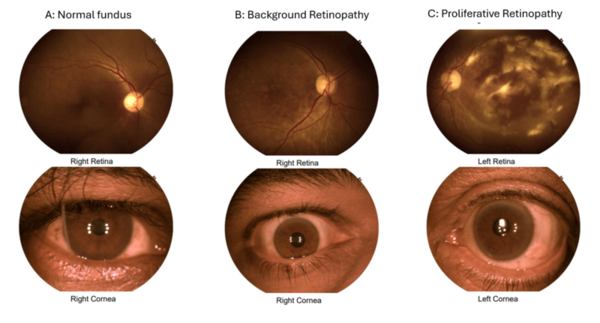
The purpose of our study was to examine the correlation of glycosylated hemoglobin (HbA1c), blood pressure (BP) readings, and lipid levels with retinopathy. Our main hypothesis was that poor glycemic control, as evident by high HbA1c levels, high blood pressure, and abnormal lipid levels, causes an increased risk of retinopathy. We identified the top two features that were most important to the model as age and HbA1c. This indicates that older patients with poor glycemic control are more likely to show presence of retinopathy.

Read More...