Browse Articles

Early detection of student burnout using data science: a study of behavioral and psychological indicators

Baber et al. | Jul 13, 2026

Early detection of student burnout using data science: a study of behavioral and psychological indicators

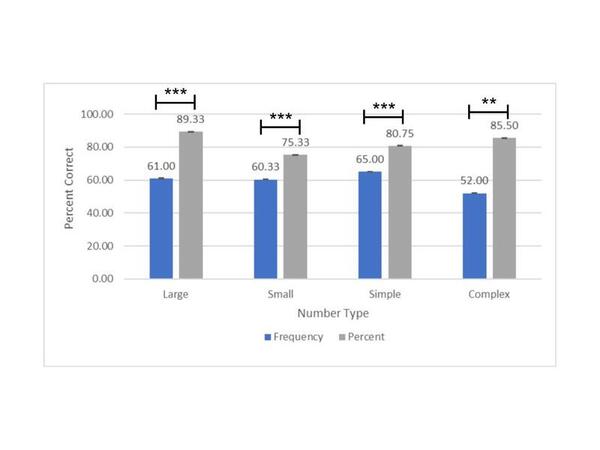
This study examined behavioral and psychological predictors of burnout among high school and university students in Pakistan using survey data and machine-learning models. Shorter sleep and greater mental fatigue—especially fatigue—were associated with higher burnout risk, while a Random Forest model successfully identified students at risk of burnout.

Read More...

Risk factors contributing to Pennsylvania childhood asthma

Li et al. | Oct 30, 2024

Risk factors contributing to Pennsylvania childhood asthma
Image credit: The authors

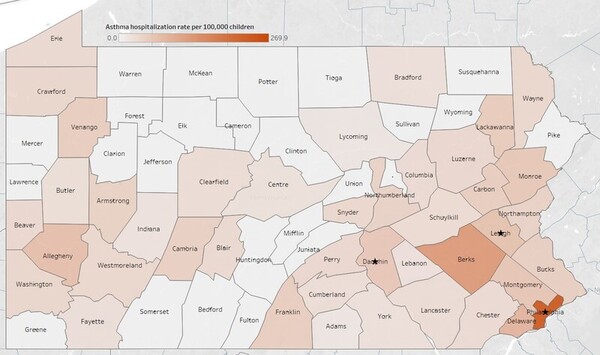
Asthma is one of the most prevalent chronic conditions in the United States. But not all people experience asthma equally, with factors like healthcare access and environmental pollution impacting whether children are likely to be hospitalized for asthma's effects. Li, Li, and Ruffolo investigate what demographic and environmental factors are predictive of childhood asthma hospitalization rates across Pennsylvania.

Read More...

QuitPuff: A Simple Method Using Saliva to Assess the Risk of Oral Pre-Cancerous Lesions and Oral Squamous Cell Carcinoma in Chronic Smokers

Shamsher et al. | Mar 27, 2019

QuitPuff: A Simple Method Using Saliva to Assess the Risk of Oral Pre-Cancerous Lesions and Oral Squamous Cell Carcinoma in Chronic Smokers

Smoking generates free radicals and reactive oxygen species which induce cell damage and lipid peroxidation. This is linked to the development of oral cancer in chronic smokers. The authors of this study developed Quitpuff, simple colorimetric test to measure the extent of lipid peroxidation in saliva samples. This test detected salivary lipid peroxidation with 96% accuracy in test subjects and could serve as an inexpensive, non-invasive test for smokers to measure degree of salivary lipid peroxidation and potential risk of oral cancer.

Read More...

Who is at Risk for a Spinal Fracture? – A Comparative Study of National Health and Nutrition Examination Survey Data

He et al. | Mar 01, 2018

Who is at Risk for a Spinal Fracture? – A Comparative Study of National Health and Nutrition Examination Survey Data

One common age-related health problem is the loss of bone mineral density (BMD), which can lead to a variety of negative health outcomes, including increased risk of spinal fracture. In this study, the authors investigate risk factors that may be predictive of an individual's risk of spinal fracture. Their findings provide valuable information that clinicians can use in patient evaluations.

Read More...