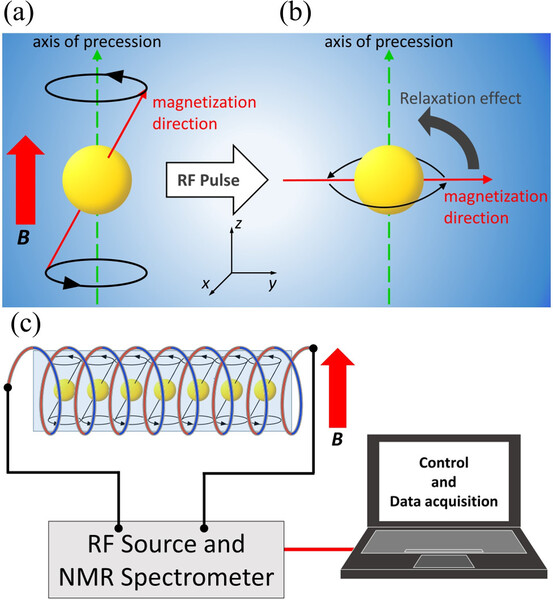
In this study, the authors explore contrast-enhanced magnetic resonance imaging at Earth's field.
Read More...Contrast-Enhanced Magnetic Resonance Imaging at Earth’s Magnetic Field Using Trace Gd3+ and Ho3+ Salts
In this study, the authors explore contrast-enhanced magnetic resonance imaging at Earth's field.
Read More...Influence of polygon side number on laminar vortex shedding frequency and variability
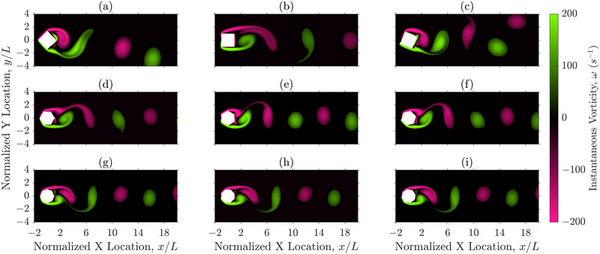
The authors investigated the shedding characteristics of polygons at a Reynolds number of 200.
Read More...Modeling the heart’s reaction to narrow blood vessels
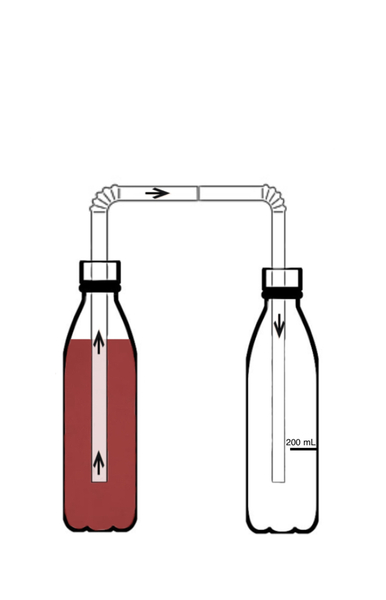
Cardiovascular diseases are the largest cause of death globally, making it a critical area of focus. The circulatory system is required to make the heart function. One component of this system is blood vessels, which is the focus of our study. Our work aims to demonstrate the numeric relationship between a blood vessel's diameter and the number of pumps needed to transport blood.
Read More...Optimizing Interplanetary Travel Using a Genetic Algorithm
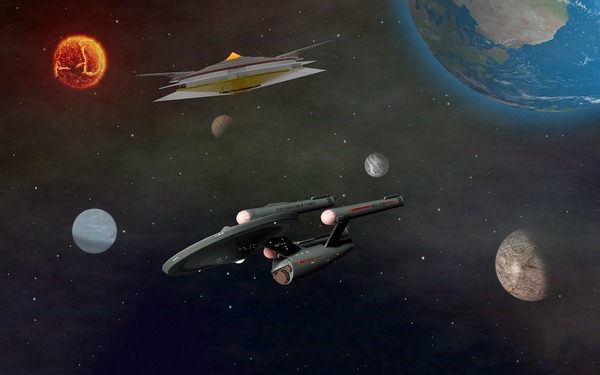
In this work, the authors develop an algorithm that solves the problem of efficient space travel between planets. This is a problem that could soon be of relevance as mankind continues to expand its exploration of outer space, and potentially attempt to inhabit it.
Read More...A meta-analysis on NIST post-quantum cryptographic primitive finalists
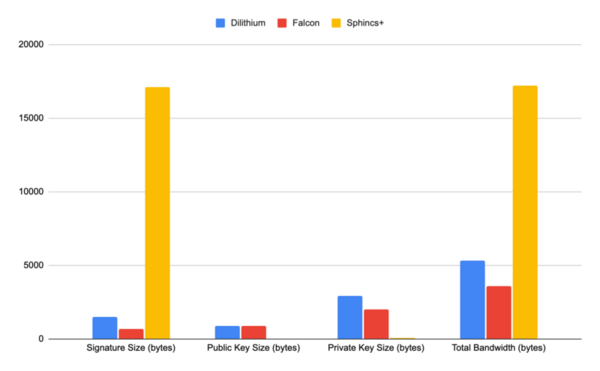
The advent of quantum computing will pose a substantial threat to the security of classical cryptographic methods, which could become vulnerable to quantum-based attacks. In response to this impending challenge, the field of post-quantum cryptography has emerged, aiming to develop algorithms that can withstand the computational power of quantum computers. This study addressed the pressing concern of classical cryptographic methods becoming vulnerable to quantum-based attacks due to the rise of quantum computing. The emergence of post-quantum cryptography has led to the development of new resistant algorithms. Our research focused on four quantum-resistant algorithms endorsed by America’s National Institute of Standards and Technology (NIST) in 2022: CRYSTALS-Kyber, CRYSTALS-Dilithium, FALCON, and SPHINCS+. This study evaluated the security, performance, and comparative attributes of the four algorithms, considering factors such as key size, encryption/decryption speed, and complexity. Comparative analyses against each other and existing quantum-resistant algorithms provided insights into the strengths and weaknesses of each program. This research explored potential applications and future directions in the realm of quantum-resistant cryptography. Our findings concluded that the NIST algorithms were substantially more effective and efficient compared to classical cryptographic algorithms. Ultimately, this work underscored the need to adapt cryptographic techniques in the face of advancing quantum computing capabilities, offering valuable insights for researchers and practitioners in the field. Implementing NIST-endorsed quantum-resistant algorithms substantially reduced the vulnerability of cryptographic systems to quantum-based attacks compared to classical cryptographic methods.
Read More...Testing Various Synthetic and Natural Fiber Materials for Soundproofing
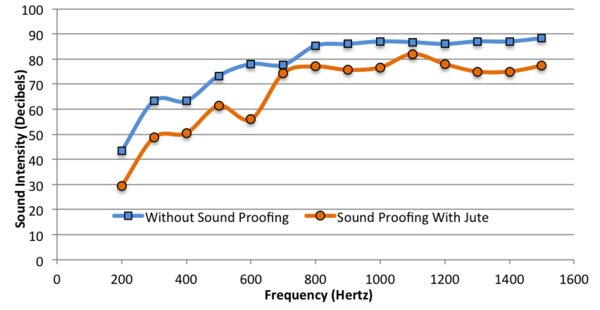
Noise pollution negatively impacts the health and behavioral routines of humans and other animals, but the production of synthetic sound-absorbing materials contributes to harmful gas emissions into the atmosphere. The authors of this paper investigated the effectiveness of environmentally-friendly, cheap natural-fiber materials, such as jute, as replacements for synthetic materials, such as gypsum and foam, in soundproofing.
Read More...The Relationship Between Close-Range Shooting Distance and Nitrite Patterns on Cotton and Polyester Clothing
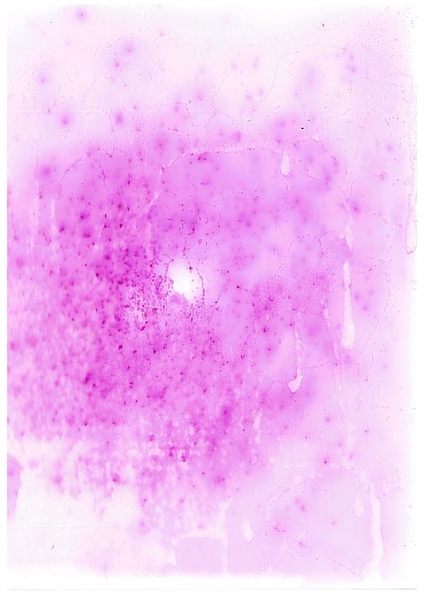
At a crime scene, the presence and pattern of gunshot residue can help forensic scientists piece together the events that occurred. To assist this, the authors of this paper determined the relationship between shooting distance and nitrite residue patterns left on fabric targets.
Read More...Converting SiO2 wafers to hydrophobic using chlorotrimethylsilane

Semiconductors are the center of the fourth industrial revolution as they are key components for all electronics. Exposed wafers made of silicon (Si), which can easily oxidize, convert to silicon dioxide (SiO2). The surface of SiO2 wafers consists of many Si-OH bonds, allowing them to easily bond with water, resulting in a “wet” or hydrophilic condition. We sought to determine a way to modify the surface of SiO2 wafers to become hydrophobic to ensure safe wet cleaning.
Read More...The effect of activation function choice on the performance of convolutional neural networks

With the advance of technology, artificial intelligence (AI) is now applied widely in society. In the study of AI, machine learning (ML) is a subfield in which a machine learns to be better at performing certain tasks through experience. This work focuses on the convolutional neural network (CNN), a framework of ML, applied to an image classification task. Specifically, we analyzed the performance of the CNN as the type of neural activation function changes.
Read More...An analysis of the mechanical properties of fencing swords, and implications for weapon selection
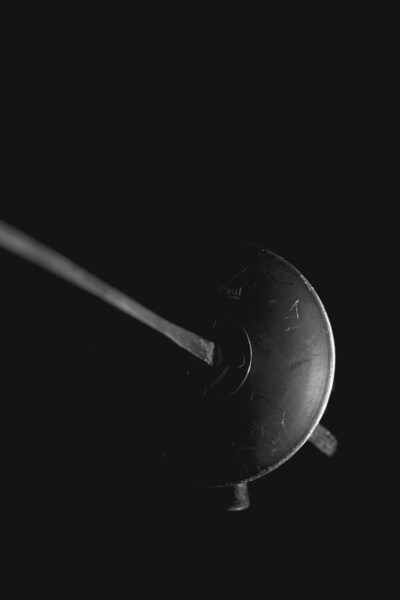
The sword is the most important piece of equipment a fencer uses. In this study, we compared the mechanical and physical properties of two of the most common types of swords used in foil fencing.We that found that maraging steel blades had a significantly greater stiffness and were damped more effectively than low carbon steel blades. These properties affect how the blade behaves during particular maneuvers and techniques, and our findings therefore provide useful insights for fencers who want to select the optimal sword configuration to suit their personal style.
Read More...