Browse Articles

Combinatorial treatment by siNOTCH and retinoic acid decreases A172 brain cancer cell growth

Richardson et al. | Nov 14, 2022

Combinatorial treatment by siNOTCH and retinoic acid decreases A172 brain cancer cell growth

Treatments inhibiting Notch signaling pathways have been explored by researchers as a new approach for the treatment of glioblastoma tumors, which is a fast-growing and aggressive brain tumor. Recently, retinoic acid (RA) therapy, which inhibits Notch signaling, has shown a promising effect on inhibiting glioblastoma progression. RA, which is a metabolite of vitamin A, is very important in embryonic cellular development, which includes the regulation of multiple developmental processes, such as brain neurogenesis. However, high doses of RA treatment caused many side effects such as headaches, nausea, redness around the injection site, or allergic reactions. Therefore, we hypothesized that a combination treatment of RA and siRNA targeting NOTCH1 (siNOTCH1), the essential gene that activates Notch signaling, would effectively inhibit brain cancer cell proliferation. The aim of the study was to determine whether inhibiting NOTCH1 would inhibit the growth of brain cancer cells by cell viability assay. We found that the combination treatment of siNOTCH1 and RA in low concentration effectively decreased the NOTCH1 expression level compared to the individual treatments. However, the combination treatment condition significantly decreased the number of live brain cancer cells only at a low concentration of RA. We anticipate that this novel combination treatment can provide a solution to the side effects of chemotherapy.

Read More...
Antimicrobial properties of common household spices on microbes cultured from two kitchen locations

Carroll et al. | May 12, 2022

Antimicrobial properties of common household spices on microbes cultured from two kitchen locations

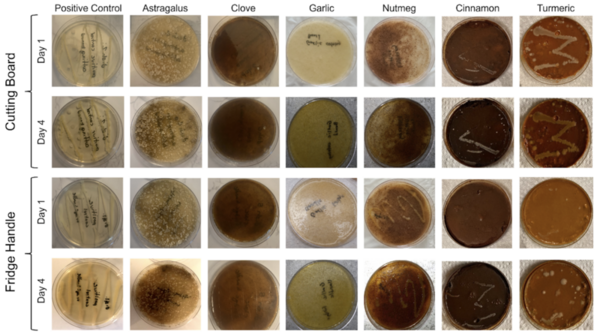
The number of bacterial infections in humans is rising, and a major contributor is foodborne illnesses, which affect a large portion of the population and result in many hospitalizations and deaths. Common household cleaners are an effective strategy to combat foodborne illness, but they are often costly and contain harmful chemicals. Thus, the authors sought to test the antimicrobial effectiveness of spices (clove, nutmeg, astragalus, cinnamon, turmeric, and garlic) on microbes cultured from refrigerator handles and cutting boards. Results from this study demonstrate long-lasting, antimicrobial effects of multiple spices that support their use as alternatives to common household cleaners.

Read More...

The effects of early probiotic supplementation on the germination of Arabidopsis thaliana

Gambino et al. | Oct 25, 2020

The effects of early probiotic supplementation on the germination of <em>Arabidopsis thaliana</em>

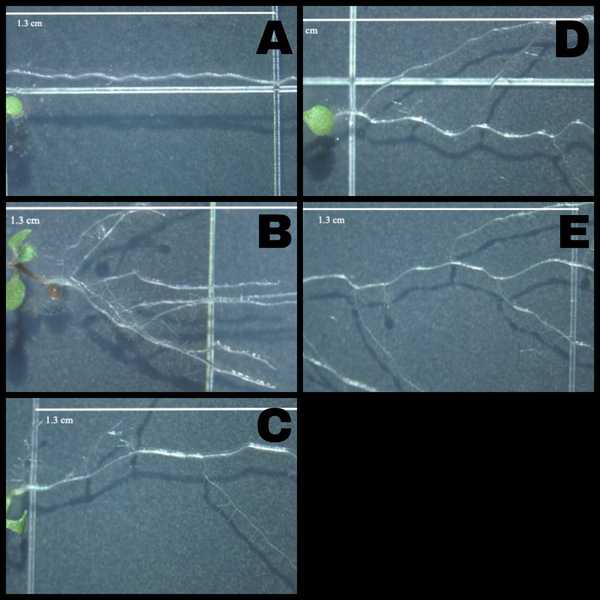
The use of fertilizers is associated with an increase in soil degradation, which is predicted to lead to a decrease in crop production within the next decade. Thus, it is critical to find solutions to support crop production to sustain the robust global population. In this study, the authors investigate how probiotic bacteria, like Rhizobium leguminosarum, Bacillus subtilis and Pseudomonas fluorescens, can impact the growth of Arabidopsis thaliana when applied to the seeds.They hypothesized that solutions with multiple bacterial species compared to those with only a single bacterial species would promote seed germination more effectively.

Read More...

Sepia bandensis ink inhibits polymerase chain reactions

Novoselov et al. | Sep 21, 2020

<em>Sepia bandensis</em> ink inhibits polymerase chain reactions

While cephalopods play significant roles in both ecosystems and medical research, there is currently no assembled genome. In an attempt to sequence the Sepia bandensis genome, it was found that there was inhibition from the organism during DNA extraction, resulting in PCR failure. In this study, researchers tested the hypothesis that S. bandensis ink inhibits PCR. They then assessed the impact of ink on multiple methods of DNA extraction

Read More...

Implications of various pure tones on Phaseolus vulgaris and Gaultheria shallon

Judit et al. | Jul 13, 2026

Implications of various pure tones on <i>Phaseolus vulgaris</i> and <i>Gaultheria shallon<i>

This study investigated how different sound frequencies (0, 1,000, 5,000, and 15,000 Hz) affect the growth of Phaseolus vulgaris and the transpiration rates of Gaultheria shallon. Although some differences in plant growth were observed, the authors found no consistent evidence that sound frequency enhanced overall growth or transpiration, highlighting the need for further research.

Read More...

LawCrypt: Secret Sharing for Attorney-Client Data in a Multi-Provider Cloud Architecture

Zhang et al. | Jul 19, 2020

LawCrypt: Secret Sharing for Attorney-Client Data in a Multi-Provider Cloud Architecture

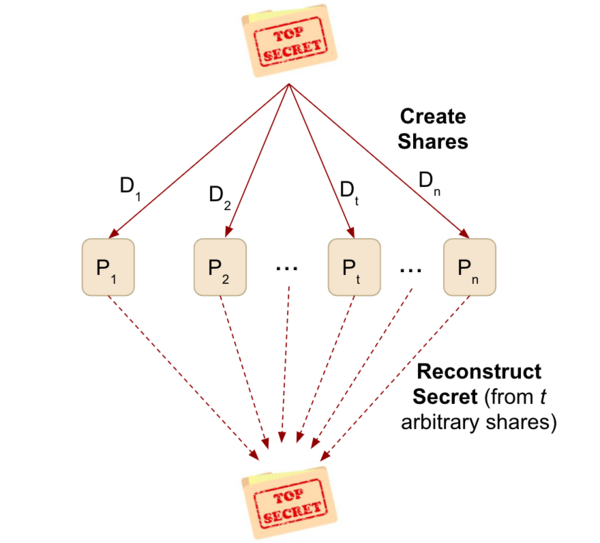
In this study, the authors develop an architecture to implement in a cloud-based database used by law firms to ensure confidentiality, availability, and integrity of attorney documents while maintaining greater efficiency than traditional encryption algorithms. They assessed whether the architecture satisfies necessary criteria and tested the overall file sizes the architecture could process. The authors found that their system was able to handle larger file sizes and fit engineering criteria. This study presents a valuable new tool that can be used to ensure law firms have adequate security as they shift to using cloud-based storage systems for their files.

Read More...

Development of selective RAC1/KLRN inhibitors

Kubrat Neczaj-Hruzewicz et al. | Nov 04, 2024

Development of selective RAC1/KLRN inhibitors

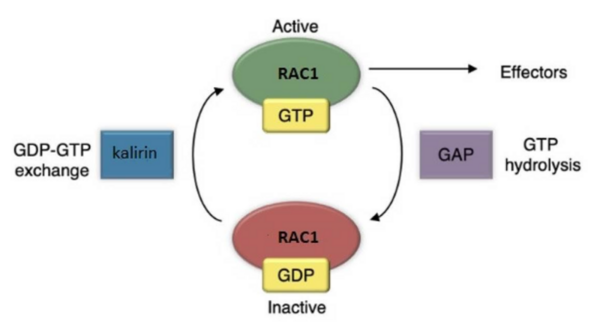
Kalirin is a guanine nucleotide exchange factor (GEF) for the GTPase RAC1, linked to schizophrenia and Alzheimer’s Disease. It plays a crucial role in synaptic plasticity by regulating dendritic spine formation and actin cytoskeleton remodeling, which are essential for creating new synapses. Authors developed two novel compounds targeting kalirin, confirming that predictive modeling can indicate biological activity.

Read More...