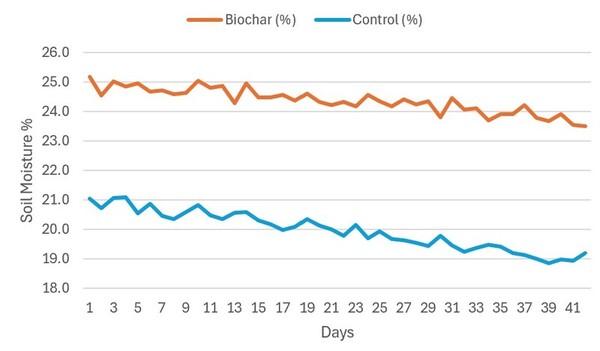
The study explored converting Gracilaria seaweed waste—known for releasing toxic hydrogen sulfide when decomposed—into biochar as a sustainable solution for waste management and soil improvement.
Read More...Enhanced soil fertility through seaweed-derived biochar: A comparative analysis with commercial fertilizers
The study explored converting Gracilaria seaweed waste—known for releasing toxic hydrogen sulfide when decomposed—into biochar as a sustainable solution for waste management and soil improvement.
Read More...Formation and sticking of air bubbles in water in d-block containers
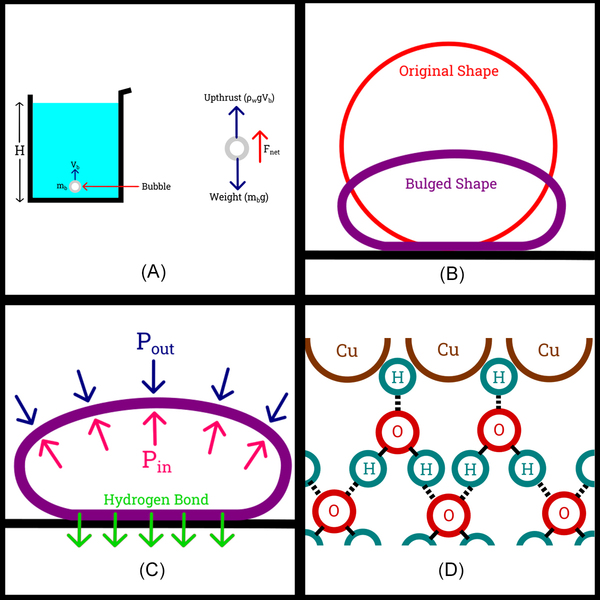
Bubbles! In this study, the authors investigate the effects that different materials, temperature, and distance have on the formation of water bubbles on the surface of copper and steel. They calculated mathematical relations based on the outcomes to better understand whether interstitial hydrogen present in the d-block metals form hydrogen bonds with the water bubbles to account for the structural and mechanical stability.
Read More...Effects of microconvection on bubble displacement during water electrolysis under microgravity
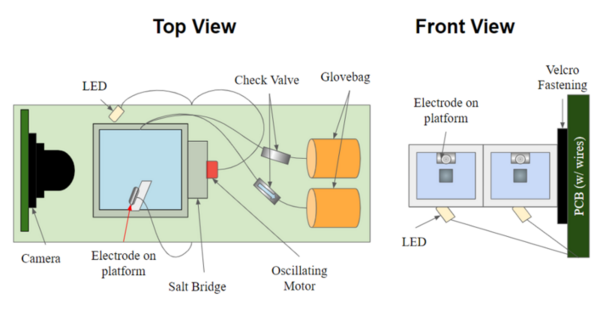
The authors looked at the effect of microconvection on displacing bubbles during electrolysis. They found that microconvection does have a role in bubble displacement in water electrolysis which can be applied in the production of hydrogen.
Read More...Alterations of the [Fe/H] Values Modulate Light Curves by Absolute Magnitude in non-Blazhko RRab Lyraes
![Alterations of the [Fe/H] Values Modulate Light Curves by Absolute Magnitude in non-Blazhko RRab Lyraes](/rails/active_storage/representations/proxy/eyJfcmFpbHMiOnsiZGF0YSI6MTU5MCwicHVyIjoiYmxvYl9pZCJ9fQ==--b3730bc16f26aaa866961d7f4258855afdedc07d/eyJfcmFpbHMiOnsiZGF0YSI6eyJmb3JtYXQiOiJwbmciLCJyZXNpemUiOiI2MDB4NjAwXHUwMDNlIn0sInB1ciI6InZhcmlhdGlvbiJ9fQ==--20af2ab250946fb690460d59fe8ec701a65c860b/Figure_4.png)
In this study, the authors investigate the relationship between iron/hydrogen ratio [Fe/H] of a type of variable stars commonly used as reference points RR Lyrae stars and their light curves to see if one can determine the composition of these stars solely by measuring their light curve characteristics.
Read More...Effect of Collagen Gel Structure on Fibroblast Phenotype
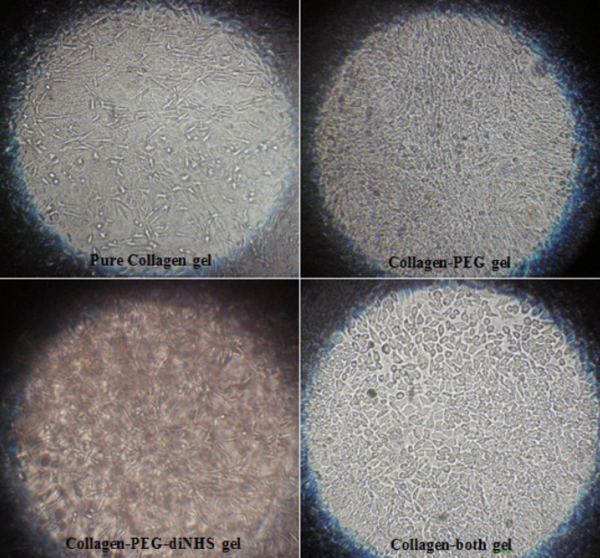
Environment affects the progression of life, especially at the cellular level. This study investigates multiple 3-dimensional growth environments, also known as scaffolds or hydrogels, and their effect on the growth of a type of cells called fibroblasts. These results suggest that a scaffold made of collagen and polyethylene glycol are favorable for cell growth. This research is useful for developing implantable devices to aid wound healing.
Read More...The Effect of Anubias barteri Plant Species on Limiting Freshwater Acidification
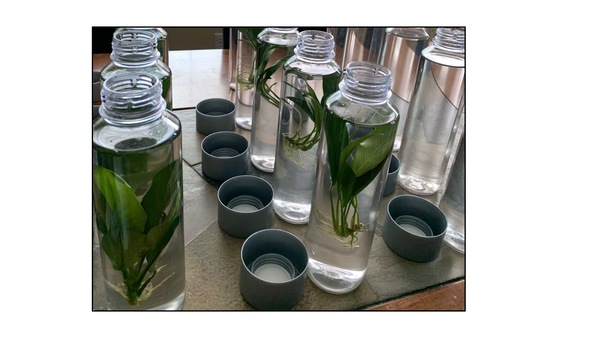
Research relating to freshwater acidification is minimal, so the impact of aquatic plants, Anubias barteri var. congensis and Anubias barteri var. nana, on minimizing changes in pH was explored in an ecosystem in Northern California. Creek water samples, with and without the aquatic plants, were exposed to dry ice to simulate carbon emissions and the pH was monitored over an eight-hour period. There was a 25% difference in the observed pH based on molar hydrogen ion concentration between the water samples with plants and those without plants, suggesting that aquatic plants have the potential to limit acidification to some extent. These findings can guide future research to explore the viable partial solution of aquatic plants in combating freshwater acidification.
Read More...Elucidating the Genotoxicity of Synthetic Food Preservatives with the SOS Chromotest
.jpg)
Evidence suggests certain food preservatives may be genotoxic due to their ability to impair normal cellular pathways. The authors investigated the genotoxic potential and effects of commonly used synthetic food preservatives, specifically sodium nitrite, potassium sulfate, and hydrogen peroxide.
Read More...Effects of Ocean Acidification on the Photosynthetic Ability of Chaetoceros gracilis in the Monterey Bay
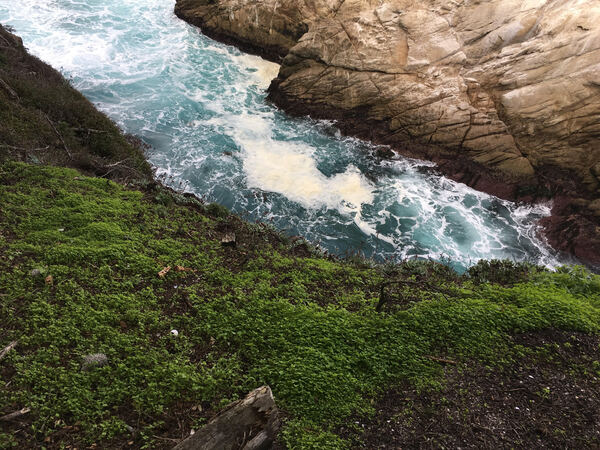
In this article, Harvell and Nicholson hypothesized that increased ocean acidity would decrease the photosynthetic ability of Chaetoceros gracilis, a diatom prolific in Monterey Bay, because of the usually corrosive effects of carbonic acid on both seashells and cells’ internal structures. They altered pH of algae environments and measured the photosynthetic ability of diatoms over four days by spectrophotometer. Overall, their findings indicate that C. gracilis may become more abundant in Monterey Bay as the pH of the ocean continues to drop, potentially contributing to harmful algal blooms.
Read More...Photometry of the Type II supernova 2025ngs
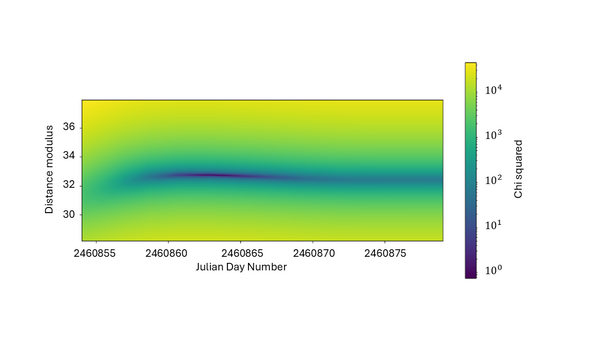
We observed supernova 2025ngs and created its light curve through aperture photometry. We were then able to determine that 2025ngs was a Type II-P supernova.
Read More...An in silico molecular analysis of the antifungal properties of Ageratum conyzoides
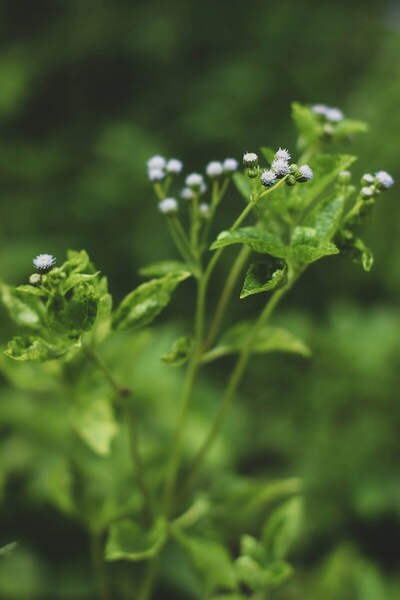
This study explores the interaction between precocene II and trichocethecene 3-O-acetyltransferase using molecular docking simulations. Computational analysis identified several potential binding sites on the enzyme surface and predicted favorable ligand-protein interactions involving key residues. These findings provide insight into how precocene II may interact with this enzyme and demonstrate the use of computational approaches to explore potential antifungal mechanisms.
Read More...