Browse Articles

Decolorization of textile dyes by edible white rot fungi

Lin et al. | Apr 29, 2022

Decolorization of textile dyes by edible white rot fungi

As fast fashion explodes in popularity, the fashion industry remains one of the most prominent industries responsible for pollution. This pollution includes a lack of treatment for textile dyes that remain toxic or carcinogenic as they persist in wastewater. To resolve this, the authors of this study set out to determine the efficacy of using edible white rot fungi for cell-based biodegradation of textile dyes into harmless chemicals. This method takes advantage of fungi found in excess from the fungi industry, decreasing food waste while addressing textile waste in tandem.

Read More...

The impacts of different Al(NO3)3 concentrations on the mitotic index of Allium sativum

Jimenez Pol et al. | Jul 10, 2023

The impacts of different Al(NO<sub>3</sub>)<sub>3</sub> concentrations on the mitotic index of <i>Allium sativum</i>
Image credit: Kylie Paz

Recognizing the increasing threat of acid deposition inn soil through the reaction of NOx and SO2 pollutants with water in Spain, the authors investigates the effects of Al(NO3)3 concentrations on the health of Allium sativum. By tracking its mitotic index, they found a negative exponential correlation between Al(NO3)3 concentrations and the mitotic index of A. sativum.

Read More...

Testing Simarouba amara’s therapeutic effects against weedicide-induced tumor-like morphology in planarians

Thiagarajan et al. | Apr 26, 2024

Testing Simarouba amara’s therapeutic effects against weedicide-induced tumor-like morphology in planarians

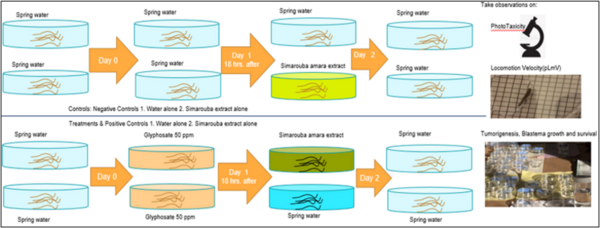
According to the World Health Organization, cancer is a leading cause of death globally. The disease’s prevalence is rapidly increasing in association with factors including the increased use of pesticides and herbicides, such as glyphosate, which is one of the most widely used herbicide ingredients. Natural antioxidants and phytochemicals are being tested as anti-cancer agents due to their antiproliferative, antioxidative, and pro-apoptotic properties. Thus, we aimed to investigate the potential role of S. amara extract as a therapeutic agent against glyphosate-induced toxicity and tumor-like morphologies in regenerating and homeostatic planaria (Dugesia dorotocephala).

Read More...

Evaluation of platelet-rich plasma vs. platelet lysate: VEGF and PDGF concentration, stability, and shelf life

Prasad et al. | Mar 30, 2022

Evaluation of platelet-rich plasma vs. platelet lysate: VEGF and PDGF concentration, stability, and shelf life

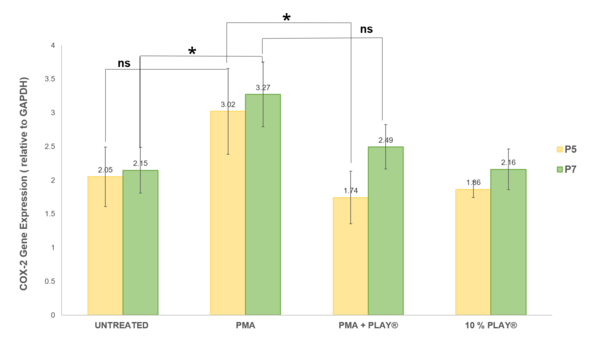
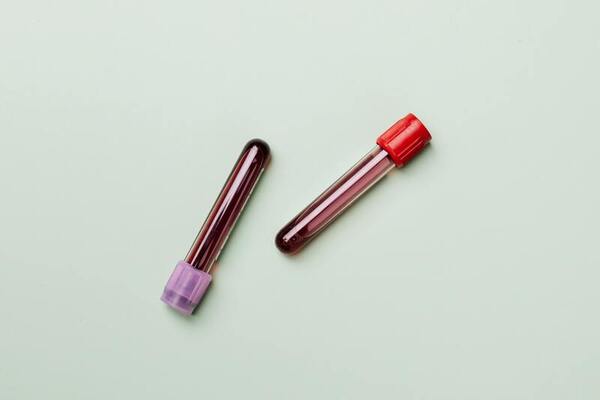
Cell-free biologicals are a novel method of treating clinical conditions which involve chronic inflammation such as tendonitis and osteoarthritis. This study compared platelet-derived growth factor (PDGF) and vascular endothelial growth factor (VEGF) in platelet-rich plasma (PRP), activated PRP (aPRP), and platelet lysate (PL). It was hypothesized that PL would contain higher concentrations of growth factors than PRP and that different storage temperatures for PL would diminish cytokine expression. Results demonstrated PL had the highest concentrations of both cytokines, with concentrations slightly diminishing at-80C. aPRP and PRP demonstrated lower concentrations of PDGF and VEGF than PL.

Read More...

Evaluation of Microplastics in Japanese Fish Using Visual and Chemical Dissections

Srebnik et al. | Jan 20, 2021

Evaluation of Microplastics in Japanese Fish Using Visual and Chemical Dissections

Does the overuse of plastic in Japan poses an ecological risk to marine species and their consumers? Using visual and chemical dissection, all fish in this study were found to have microplastics present in their gastrointestinal tract, including two species that are typically eaten whole in Japan. Overall, these results are concerning as previous studies have found that microplastics can carry persistent organic pollutants. It is presumed that the increasing consumption of microplastics will have negative implications on organ systems such as the liver, gut, and hormones.

Read More...